ENA derives its value from the expansion of the Ethena stablecoin USDe ecosystem. As USDe use cases grow, ENA's role in governance and incentive systems becomes more prominent. This structure tightly links ENA to the protocol's overall progress.
Ethena also introduces sENA as a locked token certificate. When users stake ENA, they receive sENA and gain access to governance and rewards. This mechanism boosts incentives for long-term holders and helps reduce market sell pressure.
By combining governance, incentives, and ecosystem growth, Ethena has developed a robust tokenomics model, enabling ENA to serve multiple purposes within the protocol.
Ethena (ENA) Token Overview
ENA is the native governance token of the Ethena protocol, designed to support protocol governance and ecosystem development. Like traditional governance tokens, ENA holders can participate in major protocol decisions, including risk management and ecosystem expansion.
Ethena's governance structure utilizes a committee model. ENA holders vote to elect risk committee members, who oversee key protocol parameters and risk management. This model entrusts day-to-day decision-making to professional institutions while ensuring transparency in community governance.
Current Ethena risk committee members include several research and risk management organizations, such as Kairos Research, Llama Risk, and Ethena Labs Research. These institutions provide expert risk assessments and governance advice for the protocol.
ENA also supports the Snapshot governance voting system, allowing community members to submit proposals and vote on matters like collateral asset additions, ecosystem partnerships, and risk parameter adjustments. This governance model enhances the protocol's decentralization.
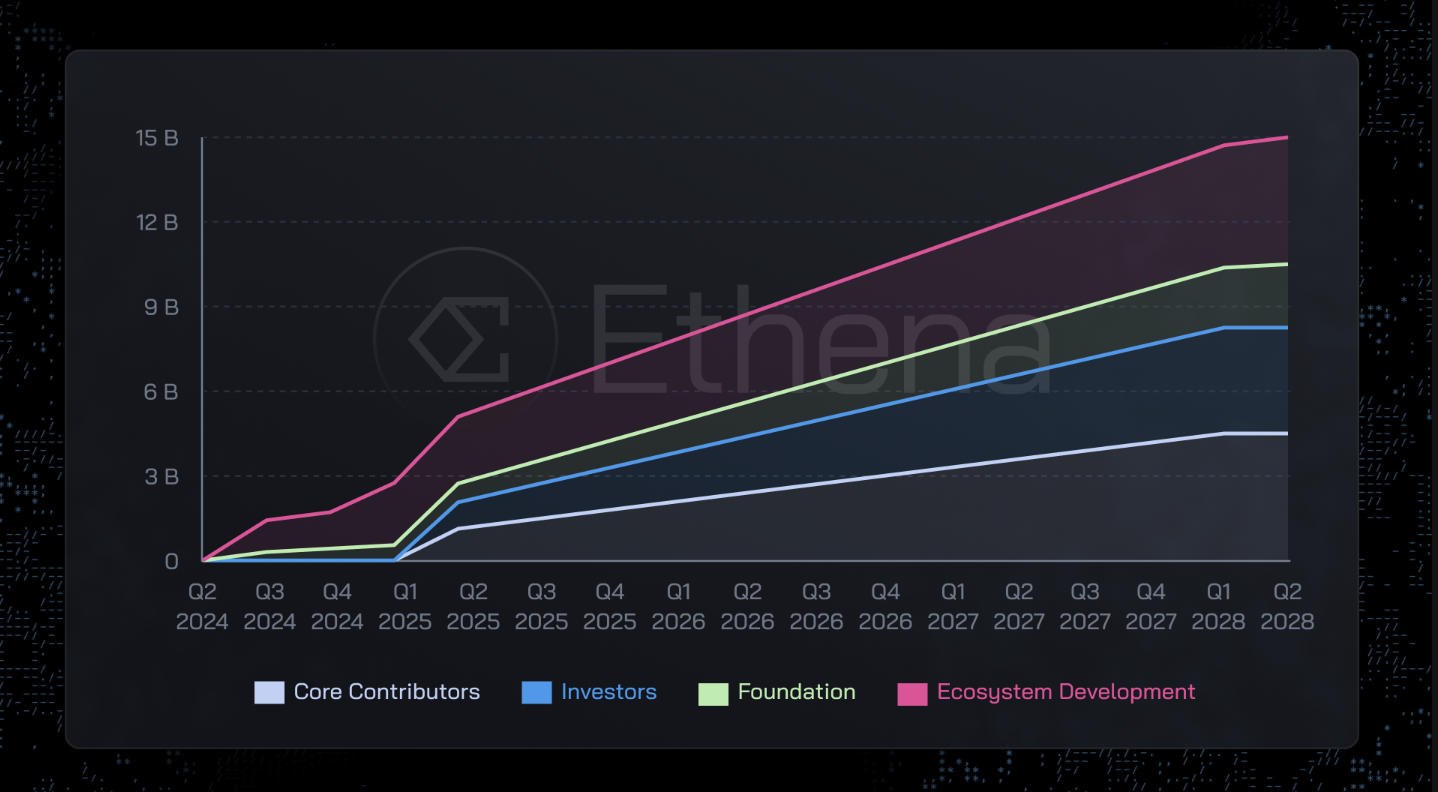
Source: ethena.fi
ENA Functions and Use Cases
One of ENA's primary functions is protocol governance. ENA holders can vote on the protocol's direction, such as adding new collateral assets or adjusting risk parameters. This mechanism enables community participation in long-term protocol development.
ENA is also central to the staking mechanism. Users stake ENA to receive sENA and participate in reward distribution. As a liquid certificate, sENA can be used across the DeFi ecosystem, increasing token liquidity and efficiency.
ENA further serves as an ecosystem incentive. Ethena ecosystem projects may distribute token rewards to sENA holders, similar to an airdrop mechanism, encouraging users to hold ENA for the long term.
ENA additionally supports network security mechanisms. For example, through the Restaking mechanism, staked ENA can be used for cross-chain message verification and network security, strengthening the protocol's safety.
| Function Type |
Usage Method |
Role |
| Governance |
Voting and proposals |
Protocol governance |
| Staking |
ENA → sENA |
Receive rewards |
| Ecosystem Incentives |
Airdrops and rewards |
Drive ecosystem growth |
| Network Security |
Restaking |
Provide security |
This multi-purpose design enhances ENA's ecosystem value and long-term growth potential.
ENA Token Distribution and Supply Mechanism
Ethena employs a multi-layered distribution structure to support the protocol's long-term development and ecosystem expansion. ENA tokens are allocated to core contributors, investors, ecosystem development, and the foundation.
Core contributors receive about 30%, rewarding the development team and advisors. These tokens are subject to a 1-year lock-up, followed by linear vesting over 3 years, ensuring sustained team engagement.
Investor allocations use a similar lock-up mechanism. Investor tokens are locked for 1 year and released gradually over 3 years, reducing market sell pressure and promoting long-term stability.
Approximately 30% of tokens are reserved for ecosystem development and airdrop incentives, rewarding users and supporting ecosystem partnerships and cross-chain initiatives.
| Allocation Category |
Allocation Ratio |
Description |
| Core Contributors |
30% |
Team and advisors |
| Investors |
25% |
Early-stage funding support |
| Ecosystem Development & Airdrops |
30% |
User incentives |
| Foundation |
15% |
Ecosystem construction and development |
This allocation structure supports Ethena's sustained ecosystem growth.
ENA Incentive Mechanism and Governance Model
Ethena's incentive mechanism centers on ENA staking, with sENA as its core element. Users who lock ENA receive sENA, a liquid certificate similar to liquid staking. Through sENA, users earn rewards and retain the ability to use their assets within DeFi, optimizing capital efficiency.
sENA holders receive rewards from the Ethena ecosystem. Certain Ethena projects reserve token allocations for sENA holder airdrops, functioning like ecosystem dividends. This approach rewards long-term ENA holders and strengthens community engagement.
Ethena also implements a Restaking mechanism, expanding ENA's utility. In collaboration with cross-chain infrastructure, staked ENA is used for cross-chain message verification and network security, providing economic security for USDe transfers. This design positions ENA as both a governance token and a security asset.
Ethena's governance model features a committee structure. ENA holders periodically vote for risk committee members, who manage key protocol parameters such as collateral assets, risk limits, and reward distribution. This model maintains decentralized governance while incorporating professional risk management, enhancing protocol stability.
ENA and USDe Ecosystem Relationship
ENA and USDe are closely linked within the ecosystem. USDe is Ethena's main stablecoin, while ENA drives governance and incentives. This arrangement parallels the relationship between the protocol layer and the governance layer.
As USDe adoption grows, Ethena attracts more users to lending, trading, and staking scenarios. With ecosystem expansion, governance demands rise, increasing ENA holders' significance.
USDe's yield mechanism may also indirectly support ENA. When the protocol generates returns, some incentives are distributed through ENA or sENA, connecting stablecoin yields to token value.
As Ethena evolves, ENA may play a role in additional scenarios, including cross-chain governance, ecosystem incentives, and network security. This expansion fosters a lasting synergy between ENA and USDe.
| Ecosystem Component |
Role |
ENA Relationship |
| USDe |
Core stablecoin asset |
Drives ecosystem growth |
| sUSDe |
Yield stable asset |
Boosts user engagement |
| ENA |
Governance token |
Ecosystem management |
| sENA |
Staking certificate |
Incentives and rewards |
This structure forms a comprehensive token framework for Ethena.
Ethena (ENA) Token Model Advantages and Risks
Ethena's token model offers several advantages. ENA combines governance and incentives, providing clear utility within the protocol and discouraging pure speculation while motivating long-term holding.
The sENA mechanism encourages ENA lock-up, reducing circulating supply and promoting ecosystem stability. Ecosystem rewards for sENA holders further incentivize sustained participation.
Restaking and cross-chain security mechanisms introduce new use cases, evolving ENA from a governance token to an infrastructure asset and enhancing its long-term value.
However, certain risks remain. Concentration of governance rights may impact decentralization, and market volatility can affect token value. If ecosystem growth falls short of expectations, incentive effectiveness may diminish. ENA's long-term performance ultimately depends on Ethena's ecosystem development.
Summary
ENA is the core governance and incentive token of the Ethena protocol, playing a pivotal role throughout the ecosystem. Through governance voting, staking rewards, and security functions, ENA is central to Ethena's operations.
ENA and USDe form a synergistic relationship. As stablecoin use cases expand, ENA's governance and incentive roles strengthen, creating a dual-core model of stablecoin and governance token for Ethena.
As the Ethena network matures, ENA's use cases are likely to grow, further impacting cross-chain finance and stablecoin ecosystems.
FAQ
-
What is ENA?
ENA is Ethena's governance token, used for voting, ecosystem incentives, and network security.
-
What is sENA?
sENA is a certificate token received by locking ENA. Holders earn rewards and participate in governance.
-
What are ENA's uses?
ENA is used for governance voting, staking rewards, ecosystem incentives, and cross-chain security.
-
Where do ENA's returns come from?
ENA returns primarily come from ecosystem rewards, project airdrops, and Ethena network incentive mechanisms.