Copper prices soared more than 30% in 2025, shattering the $12,000 per ton barrier in December for the first time ever—the strongest annual performance since 2009. Analysts attribute the rally to accelerating global demand from renewable energy, electrification, and AI data center expansion, with 2026 forecasts pointing to continued strength amid growing supply concerns.
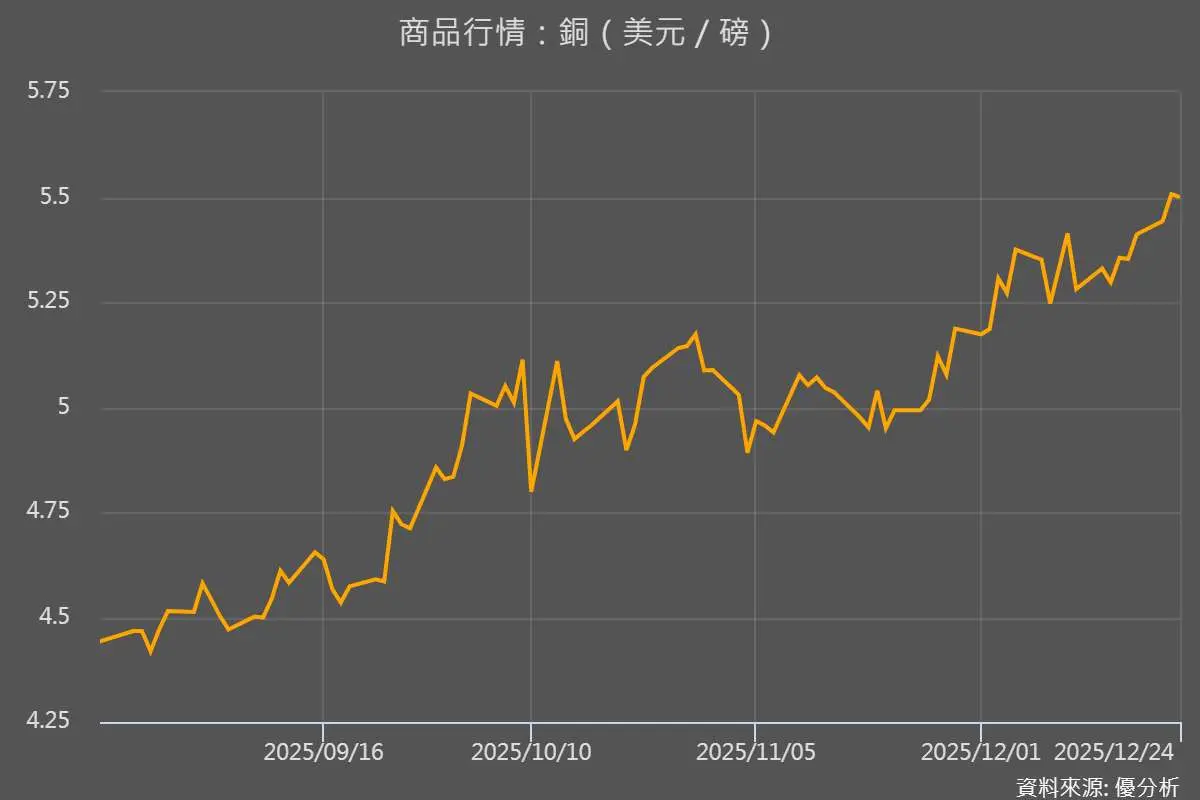
(Sources: X)
Key Drivers Behind 2025’s Historic Rally
The copper market’s explosive year was fueled by a perfect storm of demand growth and supply disruptions.
Transition to green energy and widespread electrification—particularly in EVs and renewable infrastructure—drove robust consumption. The AI boom added fuel, with massive data center buildouts requiring vast amounts of copper for power and cooling systems.
Supply-side shocks compounded the imbalance: flooding at Congo’s Kamoa-Kakula mine in May, rockfalls at Chile’s El Teniente in July, and landslides at Indonesia’s Grasberg in September curtailed global output.
U.S. tariff expectations under President Trump triggered preemptive importing, pushing Comex inventories to all-time highs while LME stocks in Europe plummeted below 20,000 tons—creating sharp regional disparities.
Analyst Outlooks for 2026: Structural Deficit Looms
Consensus points to sustained high prices in 2026, with many forecasting a deepening structural shortage.
Morgan Stanley warns of the most severe global deficit in over 20 years, projecting demand exceeding supply by ~600,000 tons. Citi floats extreme scenarios reaching $15,000/ton.
StoneX senior analyst Natalie Scott-Gray cautions that elevated prices could prompt substitution in non-essential applications, potentially capping some demand growth.
Marex strategist Alastair Munro highlights widespread expectations for structural shortages starting 2026.
Macquarie’s Alice Fox predicts persistently high levels, while Benchmark Mineral Intelligence’s Albert Mackenzie notes U.S. inventory surges have paradoxically heightened supply anxiety.
Supply Challenges Persist
Repeated mining disruptions in 2025 exposed vulnerabilities in global production chains. Major producers in Congo, Chile, and Indonesia faced unexpected outages, tightening refined supply just as demand accelerated.
Regional inventory divergence—record U.S. stockpiles versus critically low European levels—underscored uneven distribution and logistical strains.
Demand Outlook: AI, EVs, and Green Energy Lead
Long-term tailwinds remain firmly in place:
- AI data center expansion requiring extensive copper infrastructure
- Electric vehicle adoption and charging networks
- Renewable energy grid upgrades worldwide
Traditional industrial demand has shown modest recovery, but new-growth sectors are expected to dominate incremental consumption.
Risks and Balancing Views
While bullish forecasts prevail, some analysts urge caution. High prices may encourage material substitution or demand destruction in price-sensitive sectors.
Short-term volatility from tariff policies, inventory rebalancing, and macro shifts could create pullbacks.
2026 Copper Price Forecast Consensus
Major institutions cluster targets in the high range:
- Average expectations: sustained levels with moderate upside from current ~$12,000/ton
- Bullish cases: $13,000–$15,000 on severe deficits
- Base case returns: +5–20%, with potential for higher if supply shocks continue
Copper’s 2025 performance validated its role as a barometer for global growth and energy transition. Heading into 2026, tightening fundamentals and persistent demand drivers position the metal for continued strength—though elevated valuations introduce risks of periodic consolidation.
Disclaimer: The information on this page may come from third parties and does not represent the views or opinions of Gate. The content displayed on this page is for reference only and does not constitute any financial, investment, or legal advice. Gate does not guarantee the accuracy or completeness of the information and shall not be liable for any losses arising from the use of this information. Virtual asset investments carry high risks and are subject to significant price volatility. You may lose all of your invested principal. Please fully understand the relevant risks and make prudent decisions based on your own financial situation and risk tolerance. For details, please refer to
Disclaimer.


