XRP and Dogecoin are two of the most recognizable names in cryptocurrency, each with dedicated communities and distinct identities. Bitcoin remains the undisputed leader, but these altcoins offer contrasting paths: XRP focuses on real-world payment utility, while Dogecoin thrives on viral culture and meme appeal. With both facing a volatile 2025 close, which is better positioned for stronger returns ahead?
XRP: Built for Cross-Border Efficiency

(Sources: X)
XRP powers the Ripple network, designed for fast, low-cost international settlements—processing up to 1,500 transactions per second.
Ripple partners with banks and financial institutions worldwide via RippleNet, with growing adoption of On-Demand Liquidity (ODL) that directly utilizes XRP.
Spot XRP ETFs launched in November 2025, providing regulated access and potential new inflows.
At ~$116 billion market cap, XRP has room for growth if institutional use cases expand—especially in emerging markets and remittance corridors.
Dogecoin: The Original Meme Coin Phenomenon
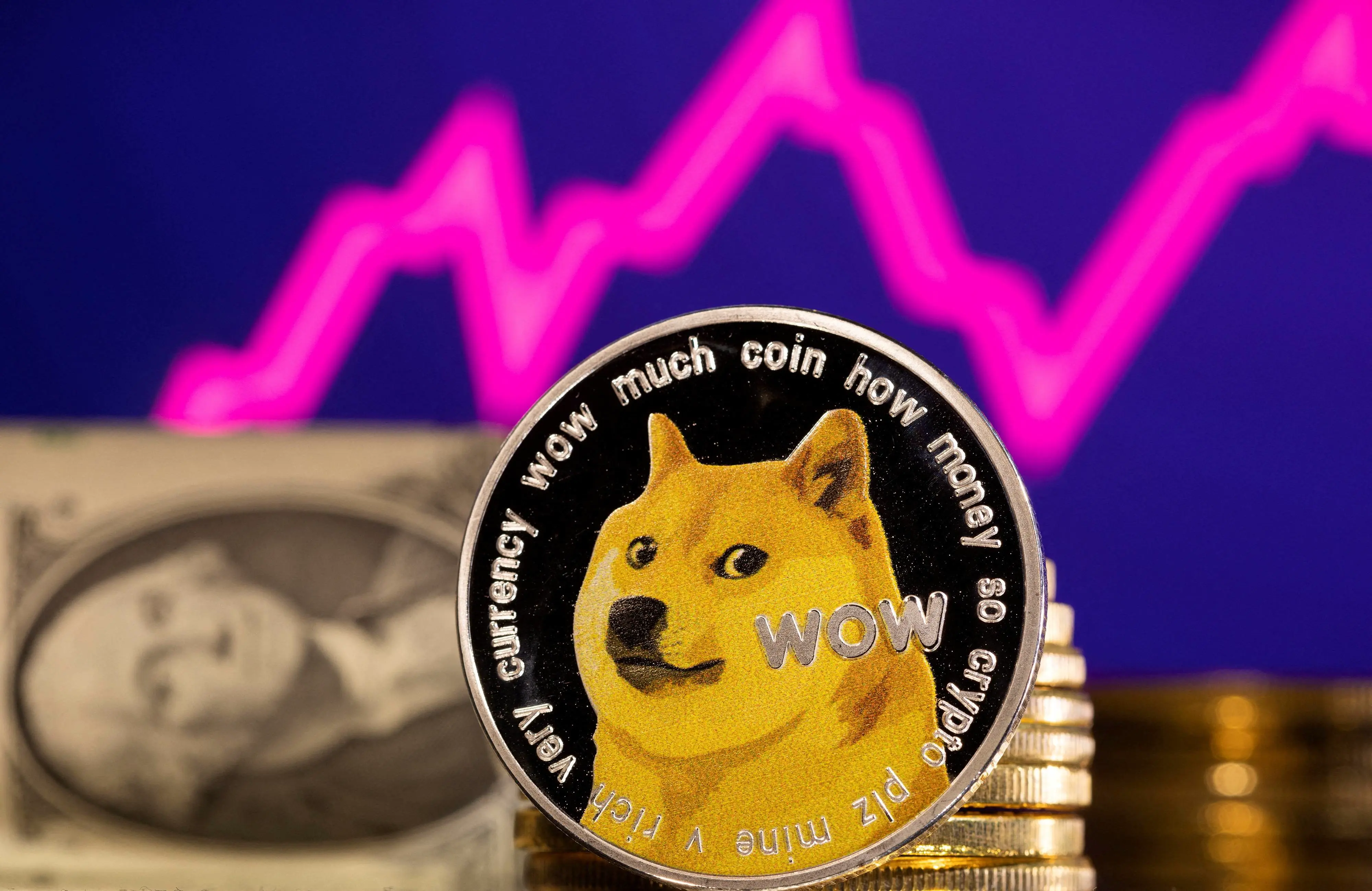
(Sources: X)
Dogecoin started as a 2013 joke featuring the Shiba Inu mascot but built one of crypto’s most passionate communities.
Endorsements from figures like Elon Musk have driven viral rallies, cementing DOGE as the flagship meme coin.
Recent developments include spot Dogecoin ETFs (~$2 million inflows by mid-December) and ongoing social media momentum.
With a smaller market cap than XRP, Dogecoin offers higher volatility—and potential for explosive short-term moves during risk-on periods.
Key Differences Driving Performance
- Utility vs. Culture: XRP emphasizes enterprise-grade payments; Dogecoin relies on community hype and meme momentum.
- Adoption Path: XRP targets institutions and regulated products; Dogecoin appeals to retail and social-driven sentiment.
- Volatility Profile: Dogecoin typically shows sharper swings; XRP offers relative stability tied to payment volume growth.
Why XRP May Have the Edge Long-Term
Real-world utility often sustains value better than pure speculation. Ripple’s partnerships with hundreds of financial entities position XRP for gradual, structural demand—especially as cross-border payments digitize.
ETF inflows and clearer regulation could accelerate institutional interest, providing a more durable growth driver than meme cycles.
Dogecoin excels in retail frenzy but lacks comparable fundamental anchors, making sustained outperformance harder outside viral episodes.
Risks for Both Cryptos
- Market Correlation: Both remain sensitive to Bitcoin trends and macro risk appetite.
- Regulatory Uncertainty: Evolving rules could impact listings or institutional flows.
- Competition: XRP faces rivals in payments; Dogecoin competes with newer meme coins.
Verdict: XRP Offers Stronger Fundamental Case
While Dogecoin can deliver eye-popping short-term gains during hype waves, XRP’s utility focus, institutional traction, and payment infrastructure give it a more reliable foundation for long-term appreciation.
For investors seeking growth with clearer catalysts, XRP appears better positioned heading into 2026—though both carry crypto’s inherent high risk.
Diversifying across utility-driven (XRP) and community-driven (DOGE) assets can balance potential reward profiles.
XRP vs. Dogecoin FAQ
1. Which has more real-world use? XRP—designed for fast cross-border payments with active institutional partnerships.
2. Which is more volatile? Dogecoin—meme-driven rallies and crashes often outpace XRP’s swings.
3. Are ETFs available for both? Yes—spot ETFs launched in 2025, though XRP sees stronger inflows.
4. Can Dogecoin overtake XRP? Possible in short bursts during retail frenzy, but less likely long-term without utility expansion.
5. Should I buy one or both? Depends on goals: XRP for fundamentals, Dogecoin for speculative upside—many hold both for diversification.
6. What drives 2026 performance? Macro recovery, ETF flows, and adoption—favoring assets with clearer use cases like XRP.
Disclaimer: The information on this page may come from third parties and does not represent the views or opinions of Gate. The content displayed on this page is for reference only and does not constitute any financial, investment, or legal advice. Gate does not guarantee the accuracy or completeness of the information and shall not be liable for any losses arising from the use of this information. Virtual asset investments carry high risks and are subject to significant price volatility. You may lose all of your invested principal. Please fully understand the relevant risks and make prudent decisions based on your own financial situation and risk tolerance. For details, please refer to
Disclaimer.
Related Articles
Ripple CTO Emeritus Reacts to XRP Price, Shiba Inu Prints 666% Spike in Futures, Dogecoin Erases Zero — U.Today Crypto Digest - U.Today
Ex-Ripple CTO shares candid truth about XRP and crypto market
Shiba Inu prints mark of the beast in 666% futures flow spike
DOGE removed a zero for eight hours, but will it return?
Ex-Ripple CTO shares candid truth about XRP and crypto market
Ripple CTO Emeritus David Schwartz shared a candid
UToday1h ago
Why XRP Price to $1,000 Is a Mathematical Fantasy (The Numbers Don’t Lie)
The idea that the XRP price could reach $1,000 has been bandied about for years in online forums dedicated to cryptocurrency as well as on social media. On the surface, the idea sounds incredible. If XRP were to reach the price of $1,000, even a modest investment in the coin would become
CaptainAltcoin2h ago
Will XRP Hold $1.33 or Extend Toward $1.30 Before Rebound?
XRP is currently trading at $1.35, experiencing a 1.3% decline. Key support is at $1.34, while resistance is at $1.40. The price is testing around the Fibonacci levels of $1.33 and $1.30, crucial for potential upward movement or deeper decline.
CryptoNewsLand3h ago
Ripple’s RLUSD and XRP Top Donation Charts - U.Today
The Giving Block's 2026 Annual Report highlights a 66% increase in cryptocurrency donations, surpassing $100 million in 2025. Ripple leads this surge, with significant contributions to education nonprofits and ocean research, while warnings are issued for charities relying on traditional fundraising methods.
UToday4h ago


