


Maduro insists on innocence during US trial! The United Nations holds an emergency meeting on the Venezuela incident; see each country's stance all at once.
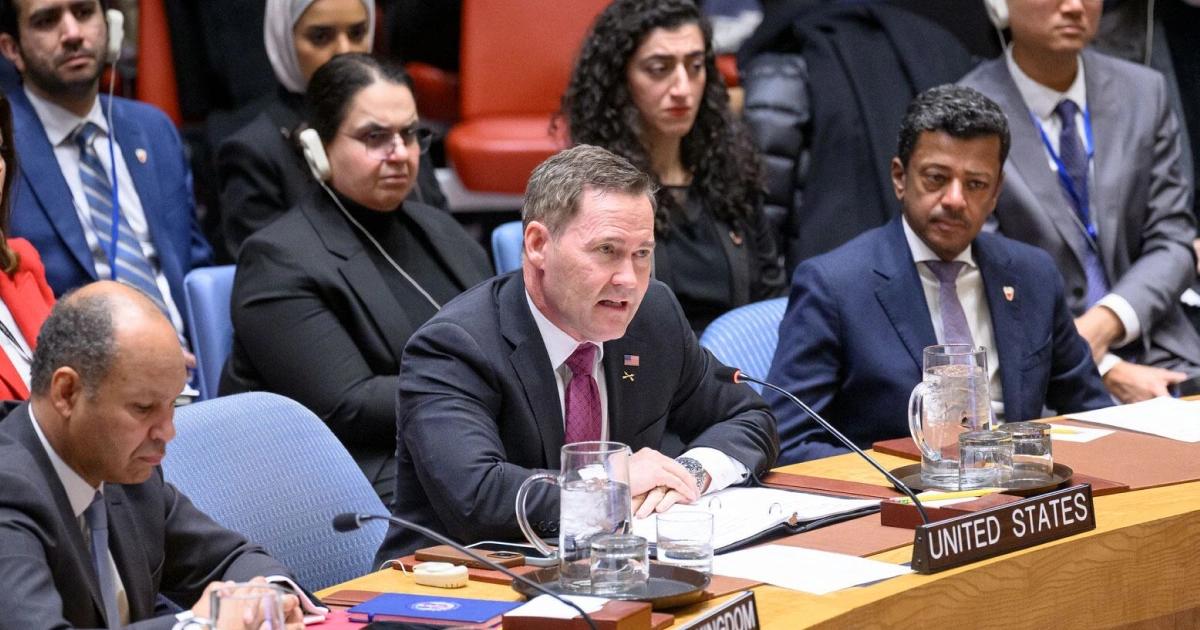
Former Venezuelan President Maduro stands firm on innocence during US trial. The UN Security Council debates US military actions, with diverging stances on their legality, leading to a stalemate in Venezuela’s political situation.
Venezuela’s Maduro arrested, Vice President assumes interim presidency
After Venezuelan President Nicolás Maduro was detained by US forces and forcibly taken to the United States, the political situation in Venezuela has become highly tense.
Today, Maduro and his wife Cilia Flores are being tried in a US court, facing four federal charges: conspiracy to drug trafficking, conspiracy to import cocaine, illegal possession of machine guns, and destruction of devices.
Maduro insists he is innocent and remains the legitimate president of Venezuela, even though Vice President Delcy Rodríguez has become acting president.
Trump claims the US will take over Venezuela and deploy US oil companies, but current control in Caracas still appears to be in the hands of Maduro’s allies, making the power transition after the US action uncertain.
- **Background:**A summary of the US arrest of the Venezuelan president
The UN Security Council holds an emergency meeting to view the positions of various countries
Regarding the US military entering Venezuela to arrest a head of state, and whether this involves a violation of the UN Charter, the UN Security Council convened an emergency session.
According to official UN Security Council news, during the meeting, US representative Waz defended the action, stating it was law enforcement against an illegitimate leader aimed at combating drug trafficking and terrorism, not an act of war, but reactions from countries vary:
- Strong condemnation: Russia and China criticized US actions as international banditry and neo-colonialism, severely violating international law. Colombia and Venezuela representatives accused it of illegal armed attack and infringement of sovereignty.
- Allies’ concerns: France, Denmark, and other European allies have taken a tougher stance, believing this violates the principles of peaceful dispute resolution and non-use of force in the UN Charter, setting a dangerous precedent.
- Ambiguous and supportive: The UK adopted a more reserved attitude, calling only for a peaceful transition, without directly condemning US military action. Some Latin American countries like Argentina and Paraguay welcomed the US move, believing it helps restore democracy and rule of law in Venezuela.
- Regional voices: Panamanian representatives expressed concern that if Rodríguez takes over, it would merely continue the existing regime without achieving a true democratic transition.
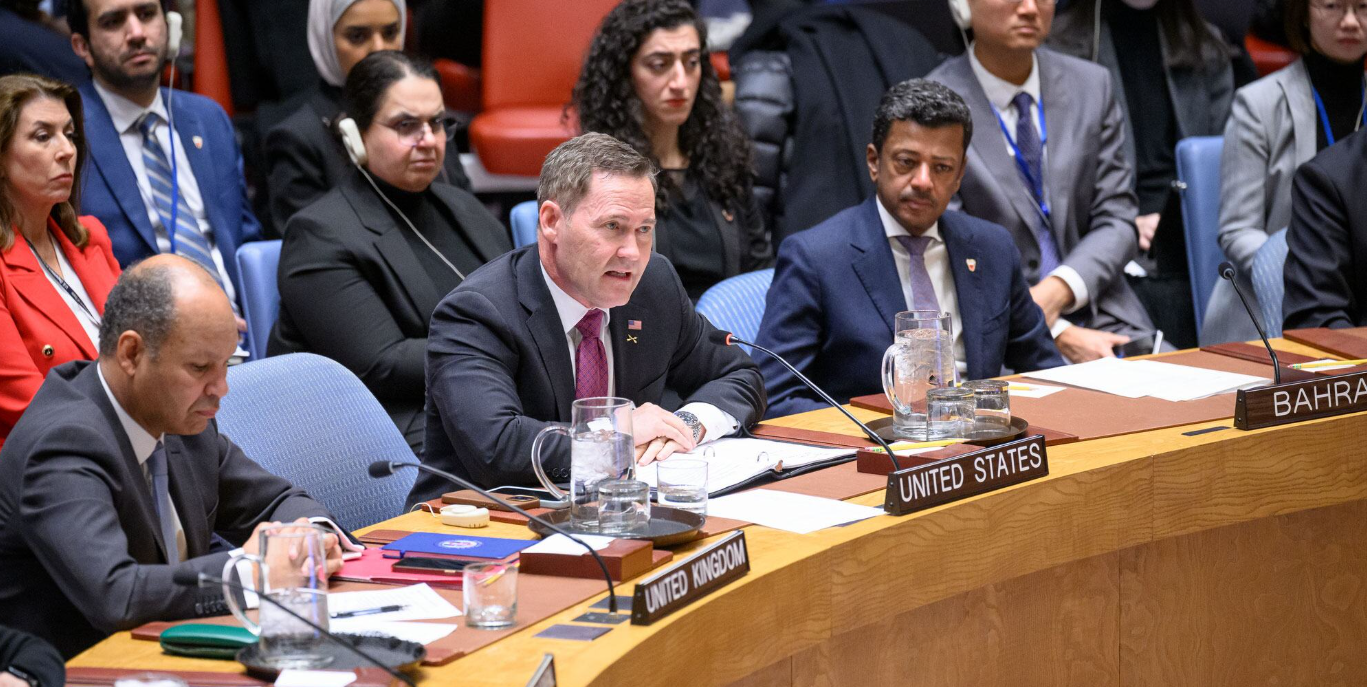
Image source: UN official news. Regarding the US entering Venezuela to arrest a head of state and whether it violates the UN Charter, the UN Security Council convened an emergency meeting.
US imperialist fears emerge, Europe faces double standards in diplomacy
The Venezuela incident has also sparked global concerns about US imperialism in Latin America.
Alan McPherson, a history professor at Temple University, analyzed that Trump threatened to repeat bombings if Venezuela did not cooperate, even hinting at similar actions against Colombia, Cuba, and Iran, increasing geopolitical instability.
In response, Colombian President Gustavo Petro has stated that if Trump follows through with military threats, Colombia will take up arms in resistance.
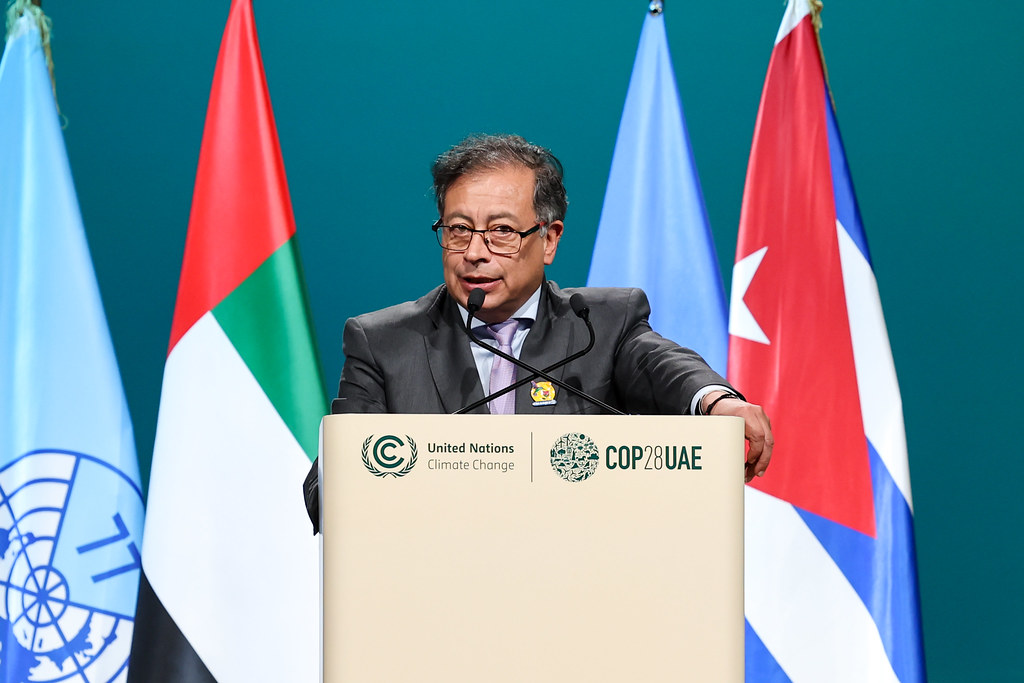
Image source: Flickr, COP28 / Mahmoud Khaled Colombian President Gustavo Petro
Meanwhile, European countries face diplomatic dilemmas over which side to support.
Europe has long opposed Russia’s invasion of Ukraine on the grounds of violating international law and territorial integrity. Now, with the US’s unilateral military action in Venezuela, if Europe fails to condemn it with the same standards, it risks accusations of double standards and hypocrisy from developing countries.
Venezuela opposition leader becomes a top contender for succession but is ignored by Trump
Within Venezuela’s domestic political landscape, opposition leader María Corina Machado, known for her Bitcoin advocacy and seen as a potential next president, is under close watch. However, Trump claims she lacks support and respect within Venezuela.
Despite Trump’s cold response, Machado has expressed her support for the US military action in interviews. She describes this move as a significant step for humanity, freedom, and human dignity, and plans to return to Venezuela as soon as possible.
Further reading:
Venezuela Maduro regime falls! Nobel laureate emerges as a top presidential candidate, advocating Bitcoin reserves