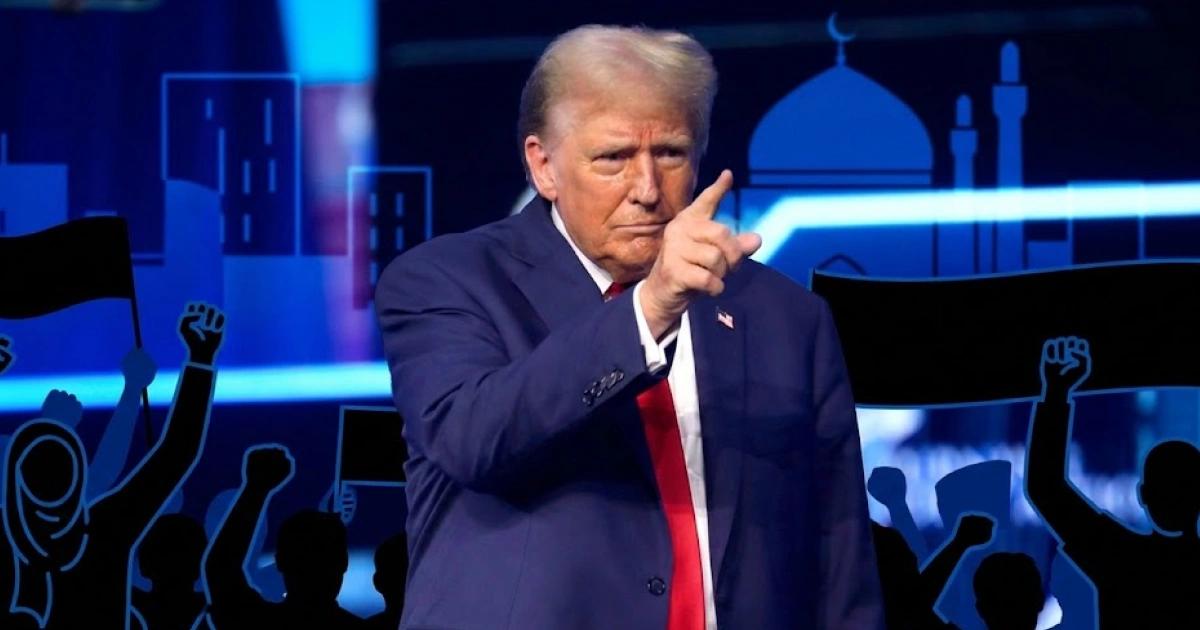
Iran anti-government protests have resulted in over 500 deaths. U.S. President Trump threatens military intervention and imposes a 25% tariff, while Iran vows to retaliate against Israel and U.S. military bases.
Iran anti-government protests continue to escalate, with over 500 deaths
Iran’s anti-government demonstrations have entered their third week. What began as economic unrest has now evolved into a comprehensive political struggle against theocratic rule. According to the U.S. human rights organization HRANA, more than 500 protesters have been killed, and approximately 10,700 people have been arrested.
CNN reports that Iranian authorities have implemented strict internet censorship, not only shutting down the internet but also affecting mobile communications, making it difficult for the outside world to grasp the full scope of the crackdown. Additionally, a large number of body bags have appeared outside a morgue in Tehran, with medical personnel revealing hospitals are overwhelmed.
Related reports:
Using crypto to bypass sanctions! Iran publicly states: plans to accept cryptocurrency payments for weapons exports
Timeline of Iran protests
The anti-government protests in Iran began with the collapse of the Iranian Rial (Rial), leading to soaring prices. Here is a key timeline of the events:
- December 28: Due to inability to pay rent and currency devaluation, merchants and shop owners in Iran take to the streets to protest.
- December 31: Clashes erupt in Kudarshah City, Lorestan Province, Iran, resulting in the death of a Basij militia member, marking the first related fatality.
- January 2: U.S. President Trump warns that if protesters continue to be killed, the U.S. will intervene. Iranian security officials respond that U.S. interference will lead to regional destruction.
- January 8: Exiled Iranian Crown Prince Reza Pahlavi calls for national unity, and authorities immediately cut off internet and phone lines.
- January 11: Iranian President Ebrahim Raisi (Masoud Pezeshkian) accuses “foreign terrorists” of inciting unrest, with the death toll sharply rising on the same day.
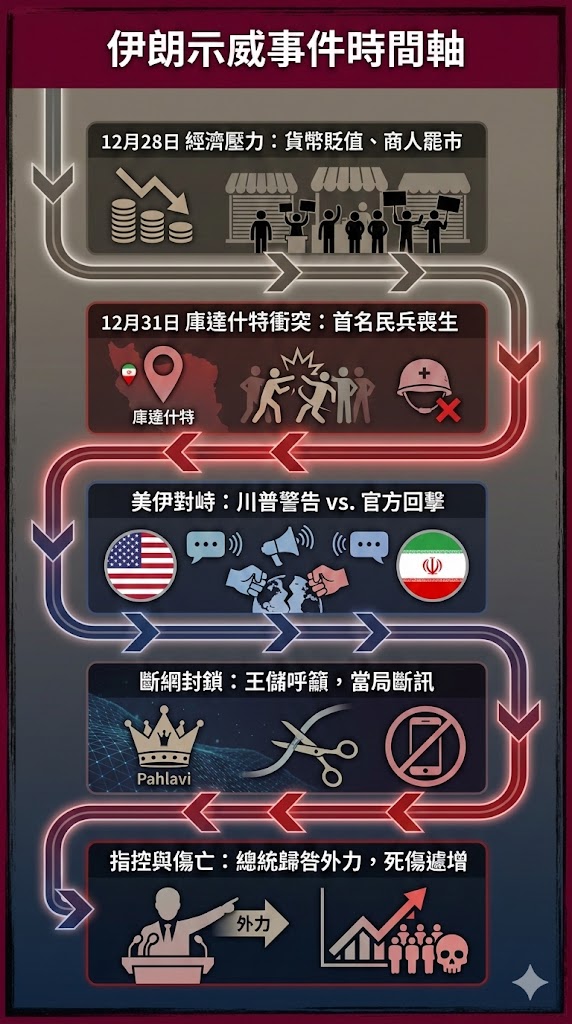
Image source: AI-generated Timeline of Iran protests, generated by AI, for reference only
Trump threatens military intervention; Iran government strikes back
Regarding the situation in Iran, U.S. President Trump has taken a tough stance. Besides stating that U.S. military forces are on standby, he also threatened on social media that if the Iranian government continues to cross the red line of violent suppression, the U.S. will take military action to support the protesters.
Trump also announced a new 25% tariff on countries doing business with Tehran, which is expected to impact major trading partners like China.
In response to U.S. threats, Iranian Parliament Speaker Ali Larijani warned that if the U.S. dares to intervene militarily or launch an attack, Iran will consider Israel and U.S. military bases in the Middle East as legitimate targets for retaliation.
Israeli military sources have revealed that they are on high alert. Although Iran’s Foreign Minister claims to be ready for war, he also states willingness to engage in dialogue.
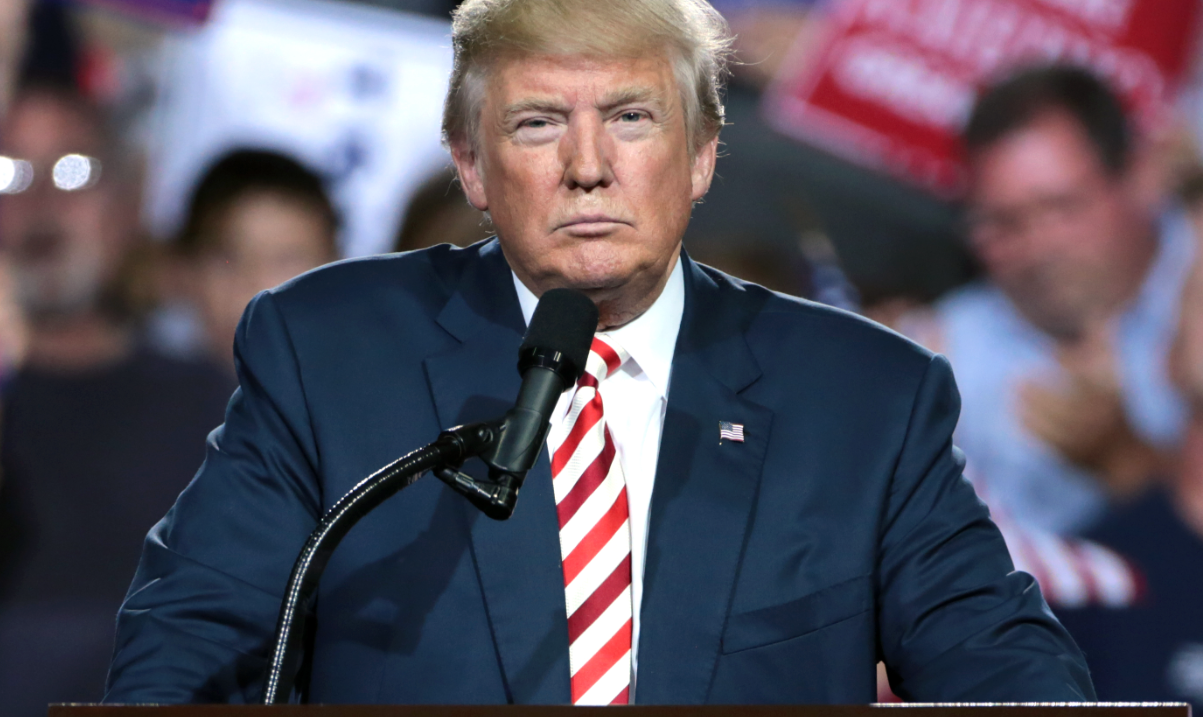
Image source: Wiki Commons, photographed by Gage Skidmore Trump warns that if the Iranian government continues to cross the red line of violent suppression, the U.S. will take military action to support the protesters
Following Venezuela, targeting Iran again—U.S. interventionism resurges?
Just one week before the outbreak of protests in Iran, U.S. forces launched a raid to arrest Venezuelan President Nicolás Maduro. Currently, a large number of U.S. troops are still gathered in the Caribbean region.
Now, facing the Iran situation, hawkish figures within the Trump administration, such as Senator Lindsey Graham, are urging the president to seize the opportunity and take decisive action against the fragile Iranian regime.
There are concerns that the U.S. may be returning to a more aggressive interventionist approach. Although the White House National Security team is still exploring various options, including diplomatic measures, cyberattacks, and military strikes, the precedent set by Venezuela suggests that direct U.S. involvement in Iran’s internal unrest cannot be ruled out.
This protest, which began as an economic and livelihood issue, could further trigger sensitive geopolitical tensions in the Middle East amid mutual accusations between the U.S. and Iran.
Further reading:
Maduro’s U.S. trial insists on innocence! UN holds an emergency meeting on Venezuela—see each country’s stance
Disclaimer: The information on this page may come from third parties and does not represent the views or opinions of Gate. The content displayed on this page is for reference only and does not constitute any financial, investment, or legal advice. Gate does not guarantee the accuracy or completeness of the information and shall not be liable for any losses arising from the use of this information. Virtual asset investments carry high risks and are subject to significant price volatility. You may lose all of your invested principal. Please fully understand the relevant risks and make prudent decisions based on your own financial situation and risk tolerance. For details, please refer to
Disclaimer.


