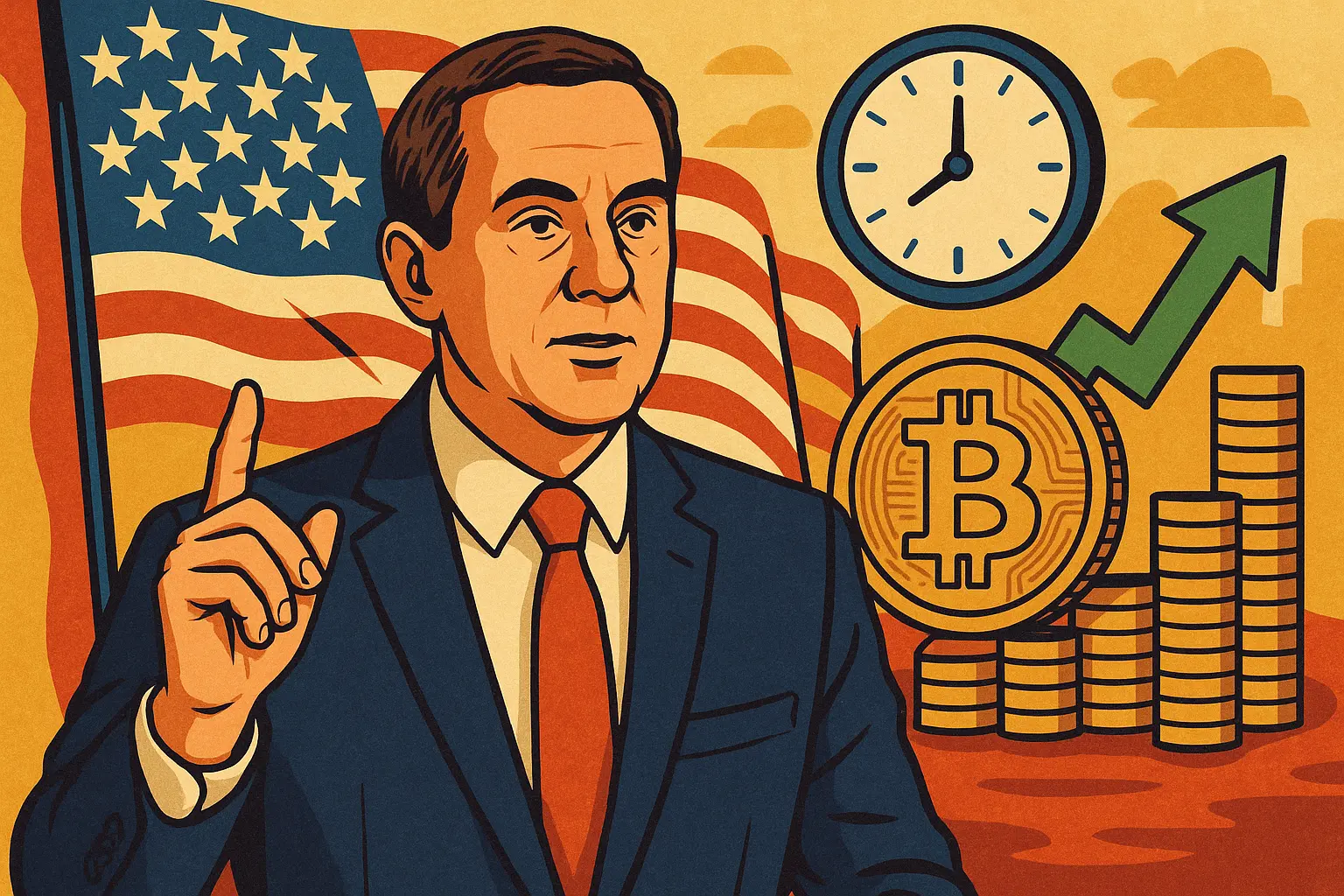
Michael Selig, Chairman of the U.S. Commodity Futures Trading Commission (CFTC), stated during a panel discussion hosted by the Milken Institute in Washington, D.C., that the CFTC is working towards launching a “genuine” cryptocurrency perpetual futures contract in the United States within the “next month or so,” and indicated that policies from the previous administration had caused a significant outflow of cryptocurrency companies and liquidity overseas.
Perpetual Futures Coming Soon: A Signal of CFTC’s Policy Shift
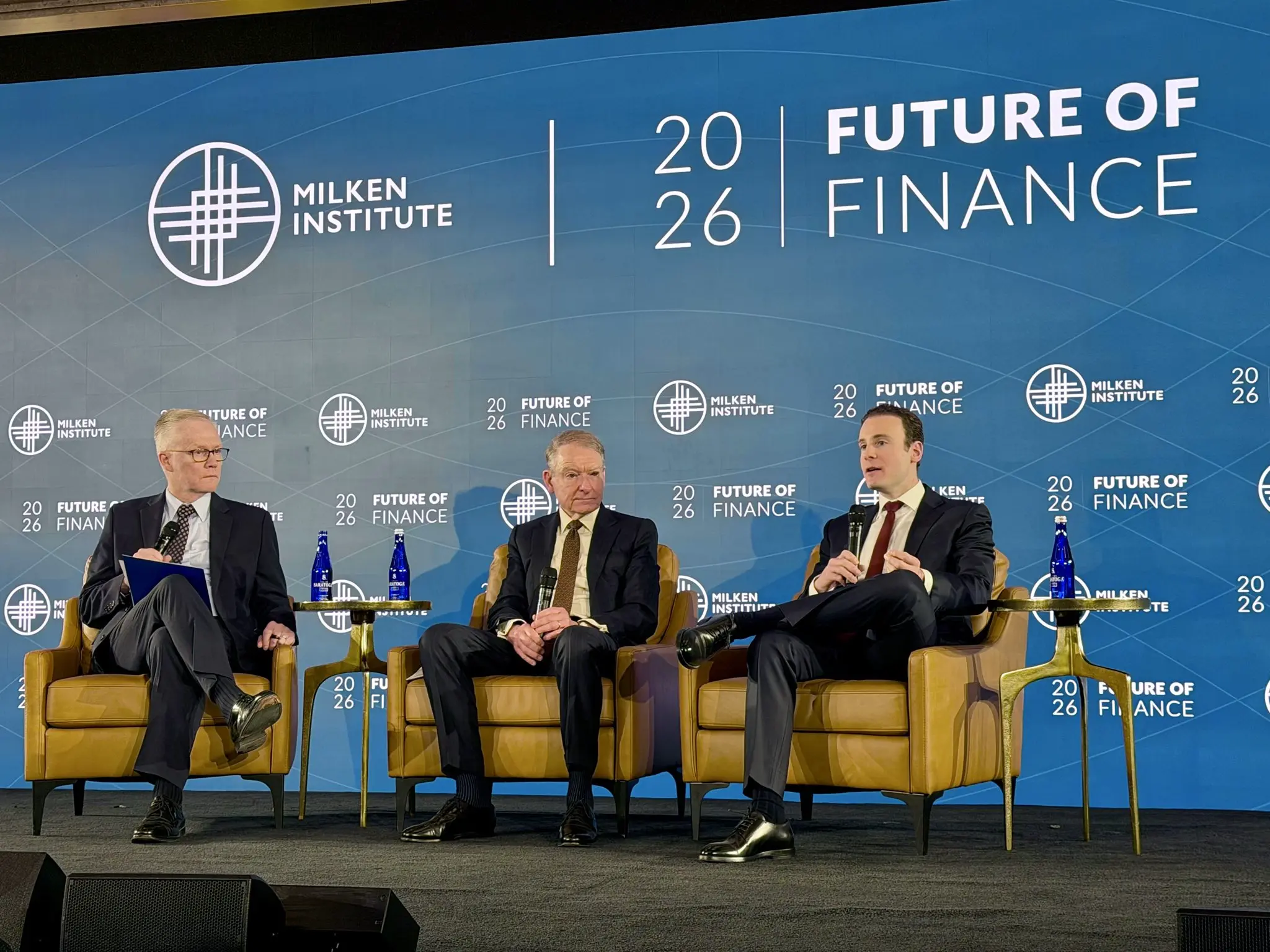 (Source: Michael Selig X)
Selig’s remarks were made during a joint panel discussion with Securities and Exchange Commission (SEC) Chair Paul Atkins. He explicitly stated that the CFTC is actively preparing to introduce cryptocurrency perpetual futures domestically, believing this step is vital to recapturing market liquidity that has shifted abroad due to an unfriendly regulatory environment.
“The previous administration moved many of these companies and liquidity overseas,” Selig said, directly revealing the motivation behind launching perpetual futures — to attract trading volume from foreign platforms like Binance back to a regulated domestic market.
It’s important to note that Selig is currently the only CFTC commissioner confirmed by the Senate; four other seats are vacant, and the Trump administration had not nominated replacements as of the date of this panel discussion. Additionally, Selig mentioned that the CFTC is preparing to issue regulatory guidance “in the near future” for prediction markets, and had previously asserted in February that the CFTC has “exclusive jurisdiction” over platforms offering event contracts, including Kalshi and Polymarket.
Market Structure Legislation Still Stalled: Legislative Certainty Is a Key Gap
Another core issue discussed was the legislative progress — or stagnation — of the Digital Asset Market Structure Bill. SEC Chair Atkins pointed out that the SEC needs “a formal legislative stance from Congress” to guide court rulings and support the commission’s daily work in the crypto space. Selig responded by emphasizing: “Without legal certainty from Congress, your options are very limited.”
As of the date of this discussion, the Senate Banking Committee had not scheduled any hearings on the Market Structure Bill. Industry experts have noted that ongoing disputes over ethics, stablecoin yields, and tokenized stocks have effectively stalled the legislation. The White House held a recent round of talks with industry leaders on stablecoin yields last week, but it remains unclear whether these discussions will lead to substantive legislative progress.
Key Policy Highlights from the Panel Discussion
- CFTC Cryptocurrency Perpetual Futures: Expected to launch in “about a month,” seen as a crucial step to recapturing overseas liquidity.
- Prediction Market Regulatory Guidance: The CFTC plans to release guidance “soon,” asserting federal jurisdiction over platforms like Kalshi and Polymarket.
- SEC’s Legislative Needs: Atkins emphasized the need for Congress to establish a legal framework for digital asset regulation.
- Market Structure Bill Status: No hearings scheduled by the Senate Banking Committee; ongoing disputes over stablecoin yields and other issues have led some experts to believe the bill is effectively stalled.
Frequently Asked Questions
Q: What are cryptocurrency perpetual futures, and what is their significance in the U.S.?
Perpetual futures are derivative contracts without an expiration date, linked to the spot market via funding rate mechanisms. They are already widely offered on offshore exchanges like Binance. If the CFTC approves these products in the U.S., it could attract the large institutional and retail trading volume currently flowing overseas back into a regulated domestic market, providing a compliant local option for crypto derivatives trading.
Q: What is the current status of the CFTC’s agency, and does it affect policy progress?
Michael Selig is currently the only CFTC commissioner confirmed by the Senate; four seats remain vacant, with no nominations from the Trump administration as of the discussion date. Despite this, Selig stated that the CFTC is actively advancing regulation of crypto perpetual futures and prediction markets, but the lack of a full commission could limit the speed and robustness of major policy decisions.
Q: How does the legislative deadlock on the Market Structure Bill impact CFTC and SEC crypto regulation efforts?
Both the CFTC and SEC chairs emphasized that the absence of a clear legal framework authorized by Congress limits their regulatory actions in the crypto space. Even if perpetual futures are launched soon, broader digital asset market regulation could face legal challenges without legislative backing, creating structural constraints on regulatory work at the policy level.
Disclaimer: The information on this page may come from third parties and does not represent the views or opinions of Gate. The content displayed on this page is for reference only and does not constitute any financial, investment, or legal advice. Gate does not guarantee the accuracy or completeness of the information and shall not be liable for any losses arising from the use of this information. Virtual asset investments carry high risks and are subject to significant price volatility. You may lose all of your invested principal. Please fully understand the relevant risks and make prudent decisions based on your own financial situation and risk tolerance. For details, please refer to
Disclaimer.
Related Articles
21Shares Launches First US Spot Polkadot ETF on Nasdaq
21Shares listed the TDOT ETF on Nasdaq with a physically backed structure holding actual DOT tokens.
The ETF launched with about $11 million in seed capital and charges a 0.30% management fee, according to Eric Balchunas.
Polkadot plans a March update capping DOT supply at 2.1B tokens
CryptoFrontNews6h ago
Cardano Brings Blockchain Payments to Swiss Retail With ADA at SPAR Stores
ADA payments now accepted at 137 SPAR stores in Switzerland through Cardano integration with DFX.swiss Open Crypto Pay.
Real-time blockchain transactions reduce merchant fees by about two-thirds compared to traditional card providers.
The Cardano Foundation has announced that Swiss payments
CryptoNewsFlash7h ago
February stablecoin trading volume hits a new monthly high of $1.8 trillion, with USDC accounting for 70%
Gate News reports that on March 7th, according to Allium data, the trading volume of stablecoins in February reached $1.8 trillion, setting a new monthly record. Among them, USDC accounted for approximately 70% of the total trading volume, reaching $1.26 trillion; USDT's trading volume in February was $514 billion.
GateNews10h ago
Spark lending platform launches SPK token buyback program, has repurchased 1.84 million tokens
According to on-chain analyst Yu Yan's monitoring, the lending platform Spark transferred 570,000 USDS to a new multi-signature wallet on March 5th, initiating the SPK token buyback. They have already repurchased 1.84 million SPK tokens, worth approximately $36,000. This buyback plan is expected to last 12 months, with 10% of funds each month allocated for repurchasing.
GateNews11h ago
Pi Network Eyes DEX Launch as Price Jumps 35% This Week
Pi Network news today reports that it is seeing renewed attention. As its ecosystem prepares for a major update. Over the past week, the Pi coin price has surged by more than 35%. It is driven by strong retail demand and growing excitement around upcoming upgrades. The latest momentum comes as the n
Coinfomania15h ago


