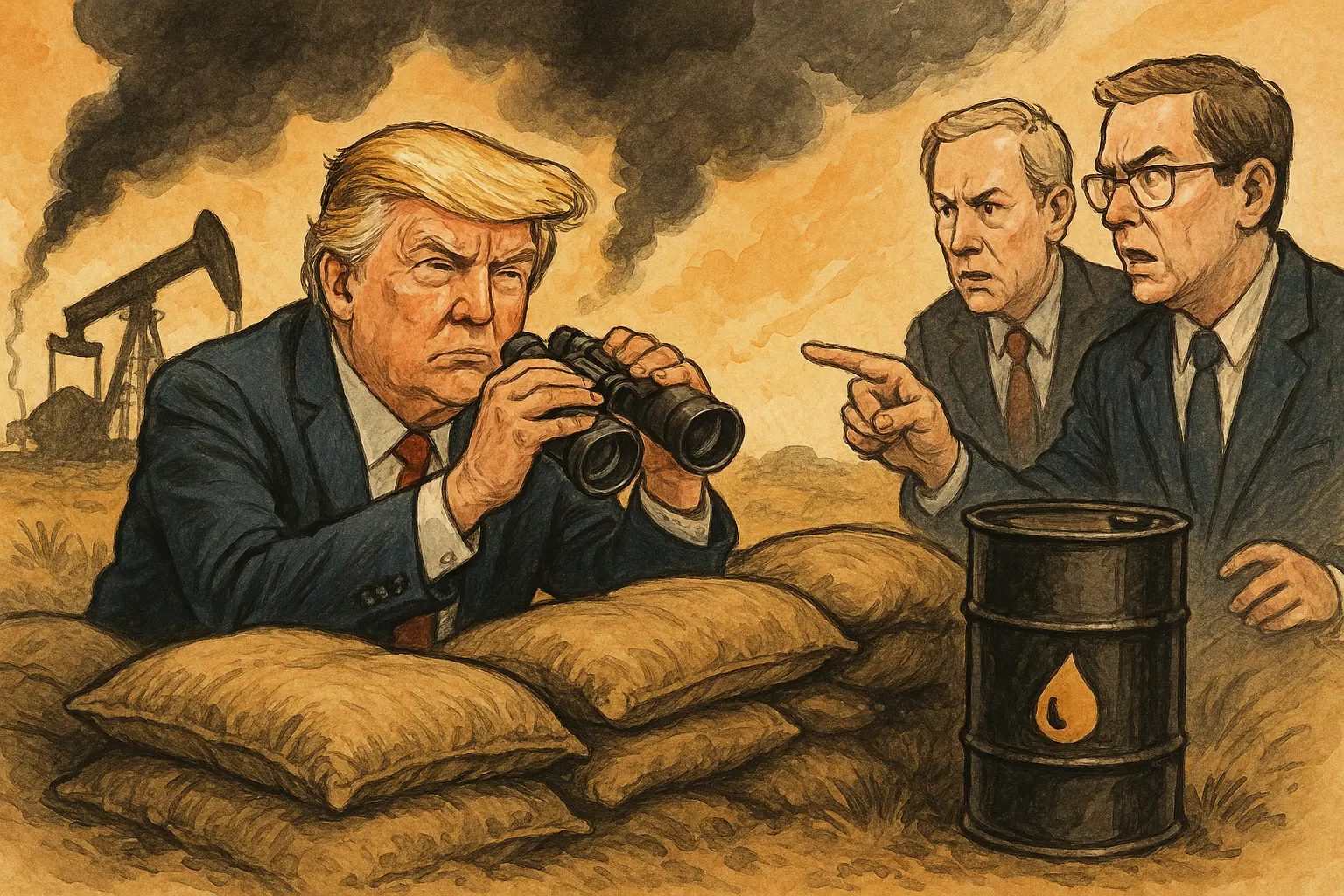
According to a Reuters report, just before U.S. President Trump announced the Iran–U.S. ceasefire agreement, the oil market saw a rare bout of abnormal trading on Tuesday at 19:45 GMT—investors suddenly sold a total of 8,600 lots of Brent crude and U.S. oil futures during the post-settlement inactive period, with positions worth about $950 million. On Wednesday, crude oil futures promptly plunged by about 15%, meaning this precisely timed crude oil short position generated extremely rich profits within hours, prompting questions from U.S. lawmakers about insider trading.
Breakdown of the Abnormal Trades: Why This Crude Oil Short Was Highly Suspicious
Based on data from the London Stock Exchange Group (LSEG), this trade took place during the inactive period after the weekly Monday-to-Friday settlement at 18:30 GMT. Brent crude was traded at about 6,200 lots (about 1% of that day’s regular trading volume), and WTI was traded at about 2,400 lots (also about 1%).
A large crude oil short in itself is not unusual; traders typically use it to hedge physical oil positions. However, the abnormal characteristics of this trade make it stand out.
Three Major Abnormal Features of This $950 Million Crude Oil Short
Abnormal execution window: Executed all at once during the post-settlement inactive period; normal large orders almost never get placed at this time
Abnormal execution method: Sold in one batch, rather than using an unconventional cross-exchange sweep or algorithmic execution split into parts (the latter typically takes hours to avoid moving market prices)
Abnormally precise timing: Within less than 3 hours after the trade, Trump formally announced the ceasefire; oil prices then promptly crashed, allowing the short side to profit handsomely
Since tensions between the Iran and U.S. sides escalated, the daily trading volume of Brent crude oil futures has doubled from the pre-war three-year average of about 300k lots to more than 1 million lots (about 1 billion barrels of oil). Against the backdrop of explosive growth in trading volume, this batch-style abnormal trade still appears especially conspicuous.
Not an Isolated Case: The $500 Million Short on March 23 as a Precedent
This $950 million crude oil short event was not the first time. On March 23, just 15 minutes before Trump announced a delay in attacks on Iran’s energy infrastructure, the market saw an abnormal crude oil short position worth about $500 million, and the oil price then dropped by 15% as well.
The two events show a highly similar pattern: minutes to hours before a major policy announcement, the crude oil market saw a directed short position of abnormal scale; after Trump’s announcement, the oil price plunged; and the short side pocketed substantial profits. The two events were less than three weeks apart, and the execution approach was essentially identical, raising serious questions in the market about whether policy news may have been leaked in advance.
Congressional Investigation Request: Ritchie Torres Sends a Letter to the SEC and CFTC
U.S. Representative Ritchie Torres has formally sent a letter to the SEC and the CFTC, urging investigations into the related trades. Torres noted that these trades are highly targeted in terms of speed, scale, and structure, and that the actual beneficial owners behind the relevant accounts must be investigated.
At present, the Chicago Mercantile Exchange Group (CME Group) has refused to comment, and the Intercontinental Exchange (ICE) has also not responded to Reuters’ inquiry requests. The CFTC previously said it was “monitoring” market anomalies, but it has not announced any formal investigation action.
Frequently Asked Questions
Why Was This $950 Million Crude Oil Short Considered Highly Suspicious?
This trade had three major anomalies: it was executed during the inactive period after settlement (normal large orders almost never get placed during this time window); it was executed as one batch rather than via unusual algorithmic splitting; and the timing was so precise that it landed less than three hours before Trump announced the ceasefire. Combined with the similar pattern from the $500 million short on March 23, the two incidents match closely, prompting serious doubts about obtaining policy information in advance.
What is the legal basis for the investigation request by Ritchie Torres?
Ritchie Torres is a member of the U.S. House of Representatives. He sent letters to the SEC (which oversees securities market insider trading) and the CFTC (which oversees commodity futures markets) requesting an investigation. He believes the “speed, scale, and structure” of the relevant trades are highly targeted, suggesting trading using non-public policy information, which meets the conditions to trigger an investigation into market manipulation or insider trading.
After This Round of Ceasefire Announcements, Has the Oil Market Stabilized?
The ceasefire announcement caused crude oil to plunge by about 15% at the start of trading on Wednesday, falling below $100 per barrel. However, the ceasefire agreement itself remains fragile—whether the ceasefire scope includes the disputed areas in Lebanon emerged within 24 hours of the announcement. If conflict continues to intensify in Lebanon, the risk of the regional situation flaring up again could once more drive oil price volatility.
Disclaimer: The information on this page may come from third parties and does not represent the views or opinions of Gate. The content displayed on this page is for reference only and does not constitute any financial, investment, or legal advice. Gate does not guarantee the accuracy or completeness of the information and shall not be liable for any losses arising from the use of this information. Virtual asset investments carry high risks and are subject to significant price volatility. You may lose all of your invested principal. Please fully understand the relevant risks and make prudent decisions based on your own financial situation and risk tolerance. For details, please refer to
Disclaimer.


