


 :
:






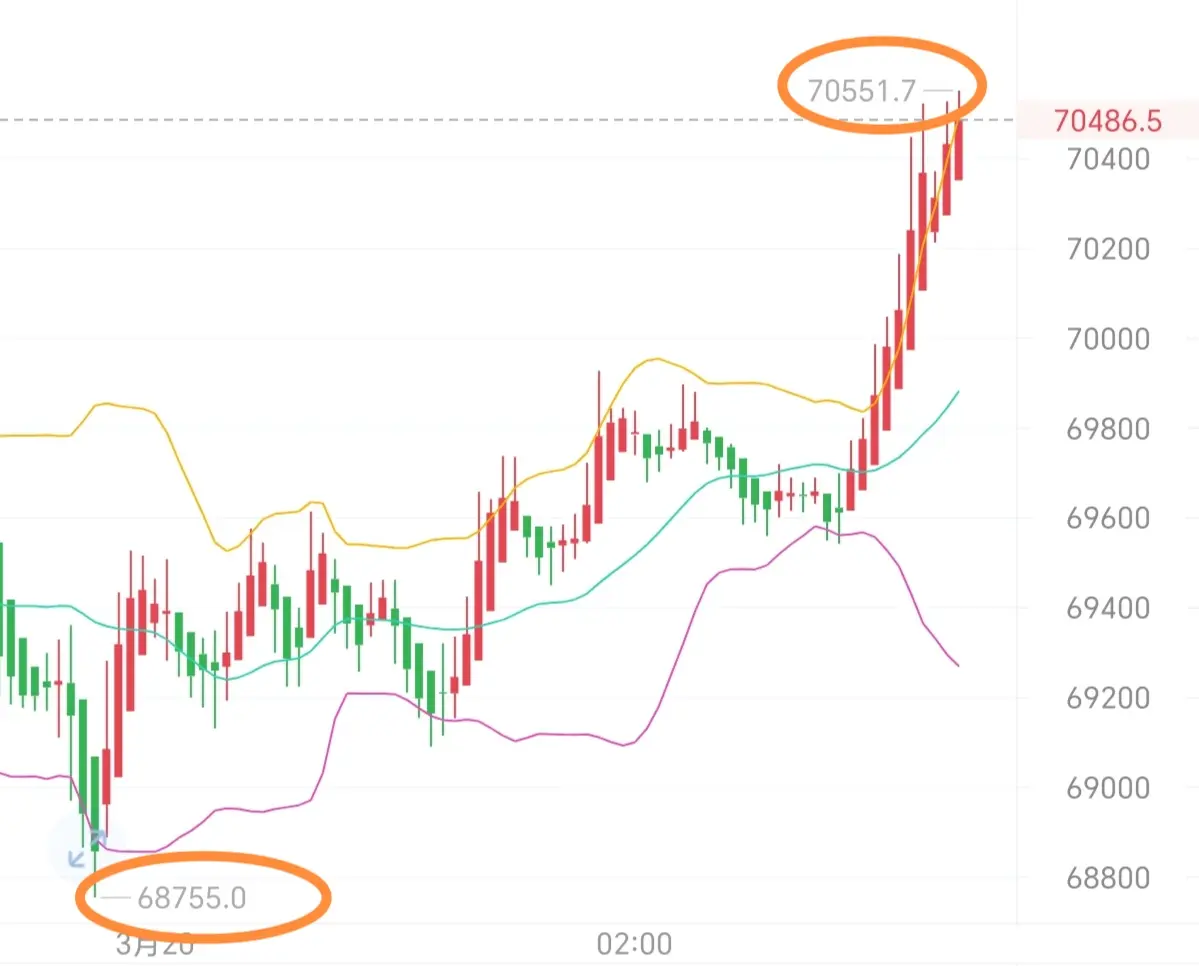


#GrayscaleStakes19.2KETH
As of March 19, 2026, Grayscale Investments has significantly increased its Ethereum holdings by staking an additional 19,200 ETH, marking one of the largest institutional staking moves in recent months. This development is not just a routine reallocation of digital assets it signals a deeper shift in institutional behavior toward PoS (Proof of Stake) ecosystems and highlights how major funds are adapting their strategies in response to evolving market dynamics. To truly understand the implications of this move, it is important to examine the motivations behind it, the broader impact on the Ethereum network, and what it means for institutional participation in crypto markets.
First, it is essential to recognize the context in which this staking increase has taken place. Over the past year, Ethereum has solidified its position not just as a leading smart contract platform but as a cornerstone of decentralized finance, tokenized assets, and emerging digital infrastructure. Since the merge to Proof of Stake in 2022, Ethereum’s staking ecosystem has grown substantially, attracting both retail and institutional validators. While retail participation remains strong, institutional engagement has historically been cautious due to concerns around regulation, custodian support, and liquidity constraints. However, Grayscale’s latest staking allocation reflects a growing institutional appetite for yield generation and long-term positioning within PoS networks.
Staking 19,200 ETH is a strategic choice with multiple layers of significance. On a foundational level, staking assets directly contributes to network security and decentralization. Every ETH that is staked supports the consensus mechanism, enabling transaction finality and reducing the reliance on traditional mining infrastructure. For institutions like Grayscale, the decision to stake rather than hold in non-staking wallets indicates confidence not just in Ethereum’s price trajectory but also in the robustness and maturity of its consensus model. From a risk management perspective, staking also offers yield that is not directly correlated with price appreciation. This yield component becomes particularly attractive in periods of market consolidation or sideways movement, offering institutional investors a way to generate return on capital tied up in core assets.
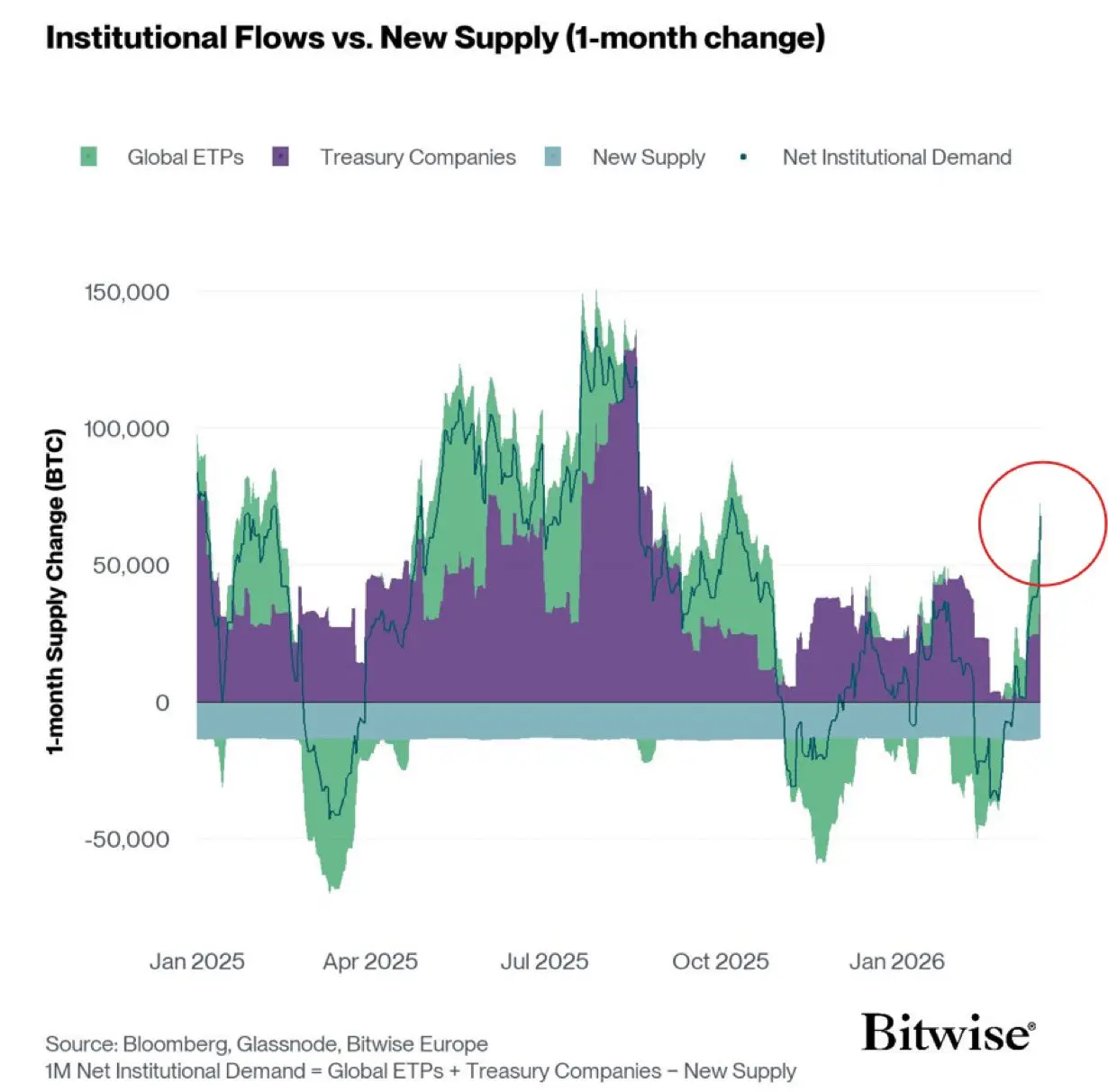
Importantly, Grayscale’s move should be seen within the context of broader institutional flows into crypto. Over recent quarters, regulatory clarity has slowly improved around custody and compliance for digital assets. While the regulatory landscape continues to be complex, with ongoing debates around securities classifications and tokenized financial products, institutions are increasingly comfortable participating in decentralized protocols. Grayscale itself, as one of the largest cryptocurrency asset managers globally, has led much of this institutional engagement by offering regulatory-compliant products that bridge traditional finance with crypto markets. Its decision to stake a significant amount of ETH reinforces the message that institutional players are not just passive holders but active participants in network economics.
The market reaction to this staking announcement provides further insight into its impact. Ethereum’s price showed resilience in the hours following the disclosure, reflecting investor confidence in the underlying fundamentals of the network. More importantly, analysts highlighted that such large-scale staking by institutional entities tends to reduce circulating supply available for trading, which can exert upward pressure on price over time. While 19,200 ETH represents a fraction of total supply, the symbolic significance of institutional staking at this scale sends a strong signal to other market participants. It suggests that institutions view liquid staking and PoS participation as a core strategy rather than a peripheral play.
This development also raises questions about the evolving role of staking derivatives and liquid staking protocols within the broader DeFi ecosystem. As institutions allocate capital to staking, the demand for liquid representations of staked assets — such as tokenized ETH derivatives — tends to increase. These instruments allow staked assets to remain productive in DeFi, serving as collateral, yield-generating assets, or liquidity in decentralized exchanges. The growth of such derivative markets reflects a maturing ecosystem where capital efficiency and layered utility become key drivers of participation. For institutional investors focused on risk-adjusted returns, this creates new opportunities and challenges, particularly around managing liquidity risk and regulatory compliance.
Furthermore, Grayscale’s staking decision provides insight into the broader institutional interpretation of Ethereum’s roadmap and future utility. Ethereum’s ongoing upgrades aimed at improving scalability, security, and sustainability — such as enhancements to consensus protocols, data availability improvements, and layer-2 integration — remain central to its long-term value proposition. Institutions typically favor assets with robust development roadmaps and clear pathways to adoption. By increasing its staked position, Grayscale is effectively endorsing the belief that Ethereum will continue to evolve as a foundational layer for decentralized applications, tokenized markets, and programmable financial infrastructure.
Another critical angle to consider is the potential impact on retail investor sentiment. Institutional moves often influence broader market psychology. When a large, reputable asset manager like Grayscale makes a decisive allocation, retail investors tend to interpret it as a validation of underlying fundamentals. This psychological effect can enhance confidence, attract new capital, and reduce short-term speculative volatility. In markets that are sensitive to sentiment, institutional staking announcements can therefore serve as anchors of stability.
From a strategic standpoint, Grayscale’s allocation underscores a diversification philosophy that balances price exposure with yield generation. In a market phase where macro uncertainty — including interest rate expectations, liquidity conditions, and regulatory developments — is pronounced, staking offers a mechanism to derive return without relying solely on asset price appreciation. This strategy reflects an evolution in institutional investment frameworks, where digital asset managers blend traditional portfolio theory with the unique characteristics of decentralized ecosystems.
Looking forward, institutions are likely to continue refining their engagement strategies with PoS networks. The balance between staking for yield, participating in governance, and managing liquidity constraints will shape how capital is allocated across blockchain ecosystems. As regulatory frameworks become more defined and custodian solutions mature, we can expect institutional participation in staking to become more commonplace rather than exceptional.
In summary, Grayscale’s decision to stake 19,200 ETH represents a significant institutional endorsement of Ethereum’s PoS ecosystem, reinforcing confidence in its security, utility, and long-term adoption potential. The move highlights how institutions are evolving their strategies to incorporate yield generation, decentralized participation, and active network involvement. As the crypto market continues to mature, such developments signal a shift from passive holding to dynamic engagement, suggesting that institutional influence in decentralized networks will increasingly shape market structure and long-term growth.
As of March 19, 2026, Grayscale Investments has significantly increased its Ethereum holdings by staking an additional 19,200 ETH, marking one of the largest institutional staking moves in recent months. This development is not just a routine reallocation of digital assets it signals a deeper shift in institutional behavior toward PoS (Proof of Stake) ecosystems and highlights how major funds are adapting their strategies in response to evolving market dynamics. To truly understand the implications of this move, it is important to examine the motivations behind it, the broader impact on the Ethereum network, and what it means for institutional participation in crypto markets.
First, it is essential to recognize the context in which this staking increase has taken place. Over the past year, Ethereum has solidified its position not just as a leading smart contract platform but as a cornerstone of decentralized finance, tokenized assets, and emerging digital infrastructure. Since the merge to Proof of Stake in 2022, Ethereum’s staking ecosystem has grown substantially, attracting both retail and institutional validators. While retail participation remains strong, institutional engagement has historically been cautious due to concerns around regulation, custodian support, and liquidity constraints. However, Grayscale’s latest staking allocation reflects a growing institutional appetite for yield generation and long-term positioning within PoS networks.
Staking 19,200 ETH is a strategic choice with multiple layers of significance. On a foundational level, staking assets directly contributes to network security and decentralization. Every ETH that is staked supports the consensus mechanism, enabling transaction finality and reducing the reliance on traditional mining infrastructure. For institutions like Grayscale, the decision to stake rather than hold in non-staking wallets indicates confidence not just in Ethereum’s price trajectory but also in the robustness and maturity of its consensus model. From a risk management perspective, staking also offers yield that is not directly correlated with price appreciation. This yield component becomes particularly attractive in periods of market consolidation or sideways movement, offering institutional investors a way to generate return on capital tied up in core assets.
Importantly, Grayscale’s move should be seen within the context of broader institutional flows into crypto. Over recent quarters, regulatory clarity has slowly improved around custody and compliance for digital assets. While the regulatory landscape continues to be complex, with ongoing debates around securities classifications and tokenized financial products, institutions are increasingly comfortable participating in decentralized protocols. Grayscale itself, as one of the largest cryptocurrency asset managers globally, has led much of this institutional engagement by offering regulatory-compliant products that bridge traditional finance with crypto markets. Its decision to stake a significant amount of ETH reinforces the message that institutional players are not just passive holders but active participants in network economics.
The market reaction to this staking announcement provides further insight into its impact. Ethereum’s price showed resilience in the hours following the disclosure, reflecting investor confidence in the underlying fundamentals of the network. More importantly, analysts highlighted that such large-scale staking by institutional entities tends to reduce circulating supply available for trading, which can exert upward pressure on price over time. While 19,200 ETH represents a fraction of total supply, the symbolic significance of institutional staking at this scale sends a strong signal to other market participants. It suggests that institutions view liquid staking and PoS participation as a core strategy rather than a peripheral play.
This development also raises questions about the evolving role of staking derivatives and liquid staking protocols within the broader DeFi ecosystem. As institutions allocate capital to staking, the demand for liquid representations of staked assets — such as tokenized ETH derivatives — tends to increase. These instruments allow staked assets to remain productive in DeFi, serving as collateral, yield-generating assets, or liquidity in decentralized exchanges. The growth of such derivative markets reflects a maturing ecosystem where capital efficiency and layered utility become key drivers of participation. For institutional investors focused on risk-adjusted returns, this creates new opportunities and challenges, particularly around managing liquidity risk and regulatory compliance.
Furthermore, Grayscale’s staking decision provides insight into the broader institutional interpretation of Ethereum’s roadmap and future utility. Ethereum’s ongoing upgrades aimed at improving scalability, security, and sustainability — such as enhancements to consensus protocols, data availability improvements, and layer-2 integration — remain central to its long-term value proposition. Institutions typically favor assets with robust development roadmaps and clear pathways to adoption. By increasing its staked position, Grayscale is effectively endorsing the belief that Ethereum will continue to evolve as a foundational layer for decentralized applications, tokenized markets, and programmable financial infrastructure.
Another critical angle to consider is the potential impact on retail investor sentiment. Institutional moves often influence broader market psychology. When a large, reputable asset manager like Grayscale makes a decisive allocation, retail investors tend to interpret it as a validation of underlying fundamentals. This psychological effect can enhance confidence, attract new capital, and reduce short-term speculative volatility. In markets that are sensitive to sentiment, institutional staking announcements can therefore serve as anchors of stability.
From a strategic standpoint, Grayscale’s allocation underscores a diversification philosophy that balances price exposure with yield generation. In a market phase where macro uncertainty — including interest rate expectations, liquidity conditions, and regulatory developments — is pronounced, staking offers a mechanism to derive return without relying solely on asset price appreciation. This strategy reflects an evolution in institutional investment frameworks, where digital asset managers blend traditional portfolio theory with the unique characteristics of decentralized ecosystems.
Looking forward, institutions are likely to continue refining their engagement strategies with PoS networks. The balance between staking for yield, participating in governance, and managing liquidity constraints will shape how capital is allocated across blockchain ecosystems. As regulatory frameworks become more defined and custodian solutions mature, we can expect institutional participation in staking to become more commonplace rather than exceptional.
In summary, Grayscale’s decision to stake 19,200 ETH represents a significant institutional endorsement of Ethereum’s PoS ecosystem, reinforcing confidence in its security, utility, and long-term adoption potential. The move highlights how institutions are evolving their strategies to incorporate yield generation, decentralized participation, and active network involvement. As the crypto market continues to mature, such developments signal a shift from passive holding to dynamic engagement, suggesting that institutional influence in decentralized networks will increasingly shape market structure and long-term growth.