PaperImperium

vip
Age 1.5 Yıl
Peak Tier 0
No content yet
(For what’s relevant to Kelp specifically, see question 4; for general musings on intervention against illicit actors, see questions 1-3)
I feel like the direct intervention of a major L2 to seize illicit funds marks a major shift in how L2s will be perceived and operate going forward. I think it’s probably wise for all L2s to develop a formal policy, even if it’s not publicly made available.
My biggest hope is that this action makes L2s unappealing for major crime, and the deterrent is enough.
Some thoughts (questions?) on the Arbitrum action, in no particular order:
1) Was there a court orde
ARB-0,5%
OP-0,07%
AAVE4,21%
MULTI4,05%
  • Reward
  • Comment
  • Repost
  • Share
Many major lending markets are currently frozen or holding assets with uncertain levels of toxicity.
Aave on Ethereum, Mantle, Arbitrum, Base, Plasma, Avalanche, Ink, etc all are either effectively closed right now or hold rsETH, which has an unknown value. Compound and other lending markets are also impacted.
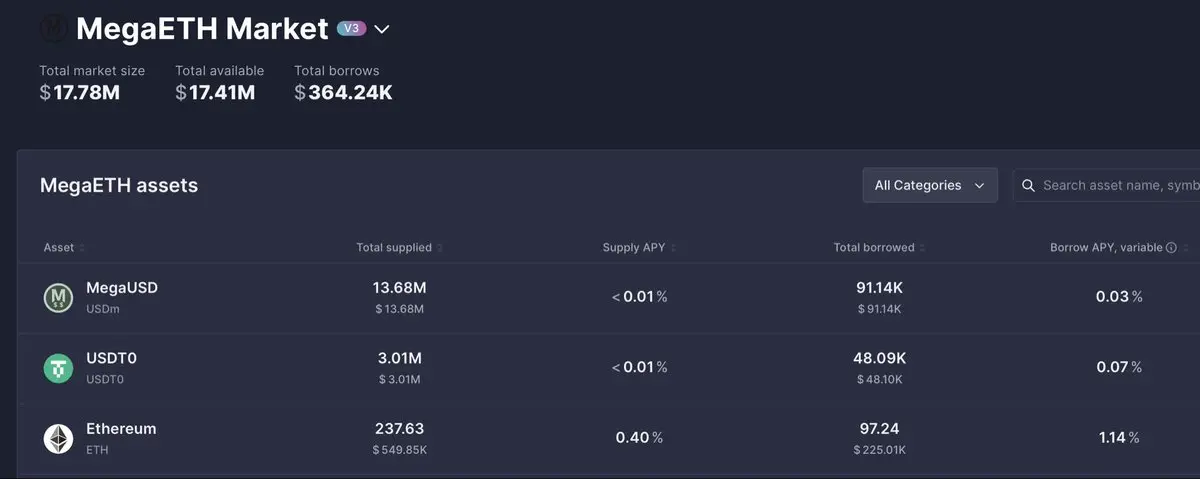
This makes the remaining lending markets that are outside the Kelp DAO blast radius very important. Some lending markets that appear to still be open, de minimus or no exposure to rsETH, and with at least 8 figures of stablecoin lending capacity are:
MegaETH Aave v3
Polygon Aave v3
BNB A
AAVE4,21%
ETH-0,34%
MNT1,37%
ARB-0,5%
post-image
  • Reward
  • Comment
  • Repost
  • Share
rsETH poses an interesting question. rsETH is minted on mainnet. All other chains hold let’s call it rsETH’ - a derivative of the rsETH held in the bridge escrow.
Are these actually separate products?
The argument is that rsETH’ users took on bridge risk, while rsETH users never agreed to.
The argument against is that rsETH’ was never presented as a different product, or indicated that it could experience losses without rsETH doing so as well.
When I due diligence for RWAs, understanding where you stand in line for repayment is one of the first questions you ask.
I think many folks kind of f
MORPHO2,77%
  • Reward
  • Comment
  • Repost
  • Share
WETH borrow markets are frozen on mainnet, Arbitrum, Base, and Mantle but still open on MegaETH and most other deployments
ARB-0,5%
MNT1,37%
  • Reward
  • Comment
  • Repost
  • Share
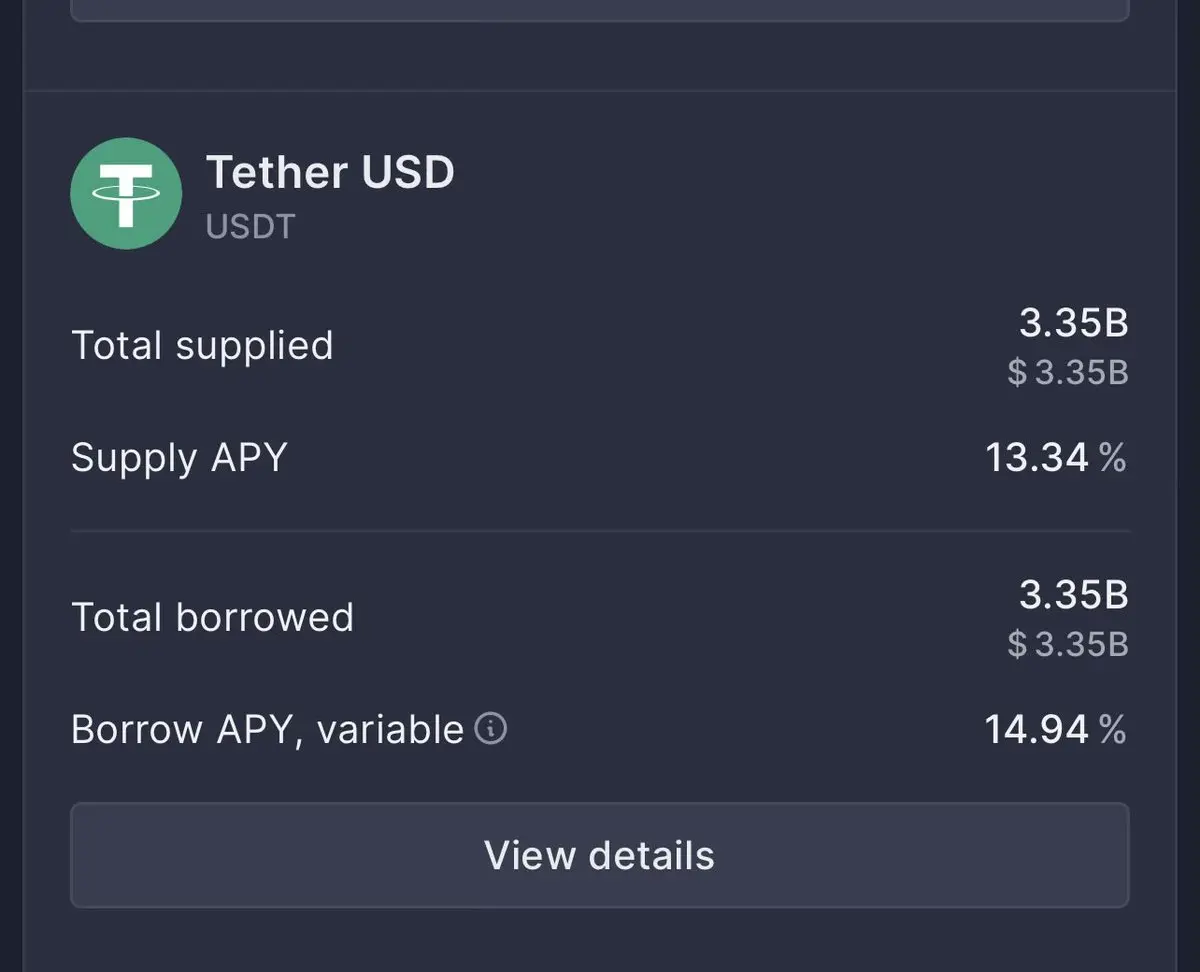
Why is the mainnet USDT market seizing up? USDC is still <4% to borrow.
USDC0,02%
post-image
  • Reward
  • Comment
  • Repost
  • Share
I think someone smart with a lot of ETH will see a real opportunity to buy aWETH off people. My math suggests worst case is low-single-digit impairment and willing to wait for liquidity (but you get paid while you wait).
Feels a lot like the USDC depeg weekend where you knew all users could exit 1:1 after you backed out what MakerDAO held (and they had no fast path to redeem)
Not to minimize contagion, because RIP many other specific stakeholders (e.g. Umbrella), but aWETH looks like it gets either par or few hundred bps cut.
ETH-0,34%
USDC0,02%
  • Reward
  • Comment
  • Repost
  • Share
I had a nightmare that I’d not only used a public computer in an airport, but left myself logged in to all kinds of stuff.
Upon waking, I tried to recall the last time I even ran across a public computer. Other than the occasional hotel “business center” in the 2010s, it’s got to be closing in on 20 years. They’re kind of like phone booths - I suspect they still exist somewhere, but I don’t seem to stumble across them.
  • Reward
  • Comment
  • Repost
  • Share
Remember when the plan was for DeFi to bank the unbanked? This was before half the protocol teams pivoted to underperforming, offshore hedge funds that don’t actually hedge.
Someone needs to make good on the DeFi promise. You simply must meet [redacted]
  • Reward
  • Comment
  • Repost
  • Share
What is the worst stablecoin, vault, or DeFi protocol you use only because you have no better alternatives?
  • Reward
  • Comment
  • Repost
  • Share
The average life of a US bank deposit is ~4.5 years (varies by product type)
The average life of a stablecoin deposit on a borrow-lend protocol is <1 month (there is basically just one product type)
Interestingly, deposits on Ethereum are significantly longer lived, but still >50% decay rate by month 1.
This should make intuitive sense: switching costs are higher between banks, and banks offer a wide range of adjacent services, while DeFi protocols are usually one-trick ponies.
That bundle of services, combined with ease of transacting with the balance, gives bank deposits a premium - users de
  • Reward
  • Comment
  • Repost
  • Share
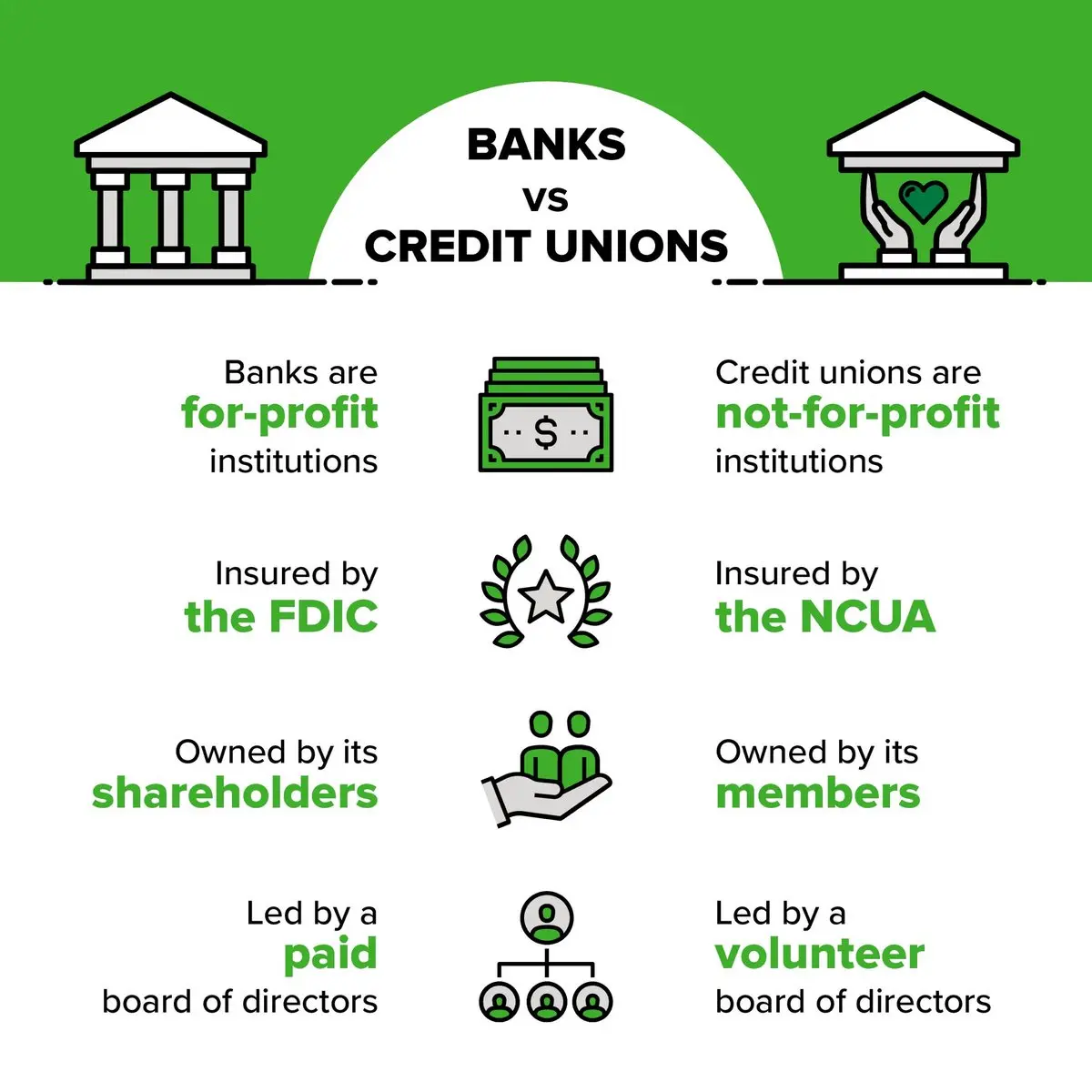
It’s Financial Literacy Month, and I’ve been negligent not to make some related posts. Today, let’s tackle the differences between a bank and a credit union.
From the parking lot, both a bank and a credit union look pretty similar. They take deposits. They issue loans. They provide various services like direct deposit, a notary, custodial services, automated bill pay, niche savings products, financial advisory.
But from the inside, banks and credit unions have some major differences. The largest one, of course, is that banks seek to create profits to return to their shareholders, while credit
AAVE4,21%
COMP-5,25%
post-image
  • Reward
  • Comment
  • Repost
  • Share
This SMBC comic should be pinned in every crypto project’s office. If using your product is *work* or *unpleasant* then negative prices are the equilibrium.
And you want positive prices!
  • Reward
  • Comment
  • Repost
  • Share
People love to speculate on how AI and crypto can combine for new use cases. I don’t pretend to know what those will be, but it’s not hard to imagine how crypto can help keep AI aligned through onchain commitment devices.
For those unfamiliar, commitment devices are a niche subject in economics, and in their simplest form come down to voluntarily binding your future self to pay a cost if some goal or threshold is not met.
Humans sometimes use apps like Stickk for this. They input their credit card, set a goal like working out or abstaining from social media, and if they fail to meet the goal,
  • Reward
  • Comment
  • Repost
  • Share
In general, the intrinsic value of an investment is the sum of all discounted future cash flows.
Good to remember when evaluating what assets to lend your stablecoins against. If you know - because they told you - there are no cash flows attached to a token, there is only extrinsic (speculative) value securing those loans. That doesn’t make it impossible as collateral, but it means you’d better monitor secondary liquidity and not just the last traded price.
Cave faenerator! (Lender beware)
  • Reward
  • Comment
  • Repost
  • Share
I’m very excited about the Turkish lira stablecoin from @brix_money that is live today. I firmly believe that currency exchange and cross border movement can be improved by adding a robust onchain market and distribution channel.
Traders can express an opinion about relative appreciation between a currency pair like TRY/USD and regular people can “swap-bridge” between currencies and countries without the large fees and spreads seen with money changers and transmitters.
If you issue a safe and sane non-USD stable and looking for a chain to deploy upon, I’d love to talk to you.
  • Reward
  • Comment
  • Repost
  • Share
I’m updating my Rolodex. Who are the small-to-medium sized shops I wouldn’t know? The ones risking $5m to $25m in individual positions?
  • Reward
  • Comment
  • Repost
  • Share
I find it odd that on the same timeline you can see funds uneasy about owning an asset (BTC) that’s ~3.5% supply controlled by Strategy, while central banks push to diversify away from USD by owning an asset (gold) that’s ~23% supply controlled by the US.
BTC0,35%
  • Reward
  • Comment
  • Repost
  • Share
Reminder that today is April Fools Day. Wear your skeptical spectacles 🤓
  • Reward
  • Comment
  • Repost
  • Share
If banks are worried about stablecoins with yield, wait until they learn about depositing into DeFi vaults.
  • Reward
  • Comment
  • Repost
  • Share
You calculate your PnL and off-ramp in what currency?
  • Reward
  • Comment
  • Repost
  • Share
  • Pin