YounasTrader

vip
Age 0.1 Yıl
Peak Tier 5
No content yet
like comment
DragonFlyOfficial
[Ended] Gold prices high + stock market overvaluations, funds have quiet
live-cover
  • Reward
  • Comment
  • Repost
  • Share
like comment
DragonFlyOfficial
📢 Gate Square Daily | April 15
1️⃣ Geopolitics:
Trump stated that US–Iran tensions are “nearly resolved,” with a potential new round of negotiations expected to resume soon in Pakistan within the next 48 hours.
2️⃣ Market Update:
Crypto markets experienced broad downside pressure, with the GameFi sector leading losses (over -5%). Meanwhile, CeFi and Meme sectors showed relative resilience amid volatility.
3️⃣ Crypto Regulation:
A US senator is preparing a revised draft focusing on stablecoin yield regulation, which may play a key role in shaping upcoming market structure policies.
4️⃣ Product Update (X):
X has launched Cashtags, allowing users to track real-time prices of stocks and crypto assets directly on the platform, improving market accessibility and engagement.
5️⃣ Institutional Moves:
AI company Anthropic has reportedly reached a valuation of $800 billion, attracting significant attention from global venture capital firms.
💡 Market Insight:
The combination of geopolitical easing signals, regulatory developments, and accelerating AI valuations suggests a high-volatility macro environment ahead. Traders should remain cautious, data-driven, and strictly follow risk management strategies.
— Dragon Fly Official
#GateSquare #MarketUpdate
#CreatorCarnival
repost-content-media
  • Reward
  • Comment
  • Repost
  • Share
like comment
DragonFlyOfficial
#SaylorReleasesBitcoinTrackerUpdate
Michael Saylor's Strategy has released its latest Bitcoin tracker update, revealing a monumental acceleration in the company's Bitcoin acquisition program that cements its position as the world's largest publicly listed Bitcoin holder and marks a significant milestone in corporate treasury management. The April 20, 2026 filing discloses the acquisition of 34,164 BTC for approximately $2.54 billion at an average price of $74,395 per Bitcoin, bringing total holdings to 815,061 BTC with a cumulative investment of roughly $61.56 billion at an average cost basis of $75,527 per coin.
This latest purchase represents Strategy's third-largest Bitcoin acquisition on record and demonstrates the company's unwavering commitment to its Bitcoin treasury strategy despite market volatility and geopolitical uncertainty. The timing of the purchase is particularly noteworthy, occurring during a period when Bitcoin traded in a consolidation range between $74,000-$76,000, allowing Strategy to accumulate at prices below its historical average cost basis and effectively dollar-cost averaging down its position.
The financing mechanism for this acquisition reveals sophisticated capital markets execution. The $2.54 billion purchase was funded through $2.2 billion raised via sales of the company's perpetual preferred stock, branded as Stretch (STRC), combined with $366 million from common stock offerings. This capital structure innovation allows Strategy to access institutional capital markets without diluting common shareholders excessively, while the preferred stock structure provides fixed-income investors with exposure to Bitcoin's upside through a traditional equity instrument.
The BTC Yield metric reported by Strategy has reached 9.5% year-to-date for 2026, representing the company's ability to generate Bitcoin-denominated returns through its capital markets activities. This yield calculation reflects the increase in Bitcoin per share for existing shareholders, achieved through accretive financing and strategic acquisitions. The April 15 interim update indicated Strategy had generated 17,585 Bitcoin in the first two weeks of April alone, valued at approximately $1.3 billion, demonstrating the velocity of the company's accumulation program.
With 815,061 BTC in treasury, Strategy has officially surpassed BlackRock's IBIT ETF holdings of approximately 802,823 BTC, making Michael Saylor's company the largest single-entity Bitcoin holder globally. This achievement represents a remarkable transformation for a company that began as a business intelligence software provider before pivoting to a Bitcoin treasury strategy in 2020. The company's Bitcoin holdings now represent approximately 3.9% of Bitcoin's total circulating supply, giving Strategy significant influence over market dynamics and price discovery.
The current market valuation of Strategy's Bitcoin position is approximately break-even, with BTC trading around $75,000 against an average cost basis of $75,527. This represents a significant recovery from the unrealized losses experienced during the Q1 2026 market correction when Bitcoin briefly traded below $63,000. The company's ability to maintain conviction and continue accumulating during drawdowns exemplifies the long-term orientation that Saylor has consistently advocated.
From a corporate finance perspective, Strategy's Bitcoin treasury strategy has fundamentally altered the company's risk-return profile. The stock has become a leveraged play on Bitcoin price appreciation, with MSTR shares exhibiting higher volatility than the underlying cryptocurrency due to the company's use of debt and equity financing to fund acquisitions. This transformation has attracted a distinct investor base seeking Bitcoin exposure through traditional equity markets, with the added benefits of institutional custody, regulatory compliance, and potential tax advantages.
The broader market implications of Strategy's accumulation program extend beyond the company's own balance sheet. By consistently removing Bitcoin from circulation and placing it in long-term cold storage, Strategy contributes to the supply squeeze dynamics that many analysts believe will drive the next major price appreciation cycle. The company's purchases, combined with spot ETF inflows and other institutional accumulation, have absorbed a significant portion of new Bitcoin issuance and available float, tightening market liquidity.
The competitive dynamics between Strategy and BlackRock's IBIT ETF have created what some analysts describe as an "arms race" for Bitcoin supply. While BlackRock has been purchasing approximately $280 million of Bitcoin daily through its ETF during peak flow periods, Strategy's direct acquisitions allow for more strategic timing and potentially better execution prices. The divergence in acquisition strategies, with BlackRock serving passive ETF investors and Strategy pursuing an active treasury management approach, has created multiple demand channels that collectively support Bitcoin's price floor.
The sustainability of Strategy's acquisition program depends on continued access to capital markets and investor appetite for its equity and preferred stock offerings. The company has demonstrated remarkable ability to raise capital across market cycles, though the cost of capital varies with Bitcoin sentiment and broader equity market conditions. The introduction of the STRC perpetual preferred stock represents an innovation in crypto-corporate finance, providing a hybrid instrument that appeals to both traditional fixed-income investors and crypto-native capital allocators.
For Bitcoin market participants, Strategy's tracker updates serve as a key indicator of institutional conviction and capital deployment trends. The company's continued accumulation during periods of geopolitical uncertainty, including the ongoing US-Iran conflict and its impact on global markets, suggests that sophisticated institutional investors view Bitcoin as a strategic reserve asset independent of traditional macroeconomic correlations. This decoupling narrative, while still evolving, represents a potential paradigm shift in how Bitcoin is valued and utilized by corporate treasuries.
The 9.5% BTC Yield achieved year-to-date demonstrates that Strategy's model can generate Bitcoin-denominated returns even in sideways price environments, addressing one of the primary criticisms of the company's strategy: that it merely exchanges dollars for Bitcoin without creating shareholder value. By consistently increasing Bitcoin per share through accretive financings, Strategy provides a mechanism for shareholders to gain exposure to Bitcoin's potential appreciation while maintaining the corporate structure and regulatory framework of a publicly traded company.
Looking forward, Strategy's tracker updates will continue to be closely watched by market participants as a barometer of institutional Bitcoin demand. With 815,061 BTC now in treasury and the company showing no signs of slowing its accumulation program, Michael Saylor has effectively created a Bitcoin investment vehicle that operates with the transparency, governance, and accessibility of a public company while maintaining pure exposure to the cryptocurrency's price movements. The success of this model may inspire other corporations to consider similar treasury strategies, potentially accelerating Bitcoin's adoption as a corporate reserve asset.
repost-content-media
  • Reward
  • Comment
  • Repost
  • Share
like comment
DragonFlyOfficial
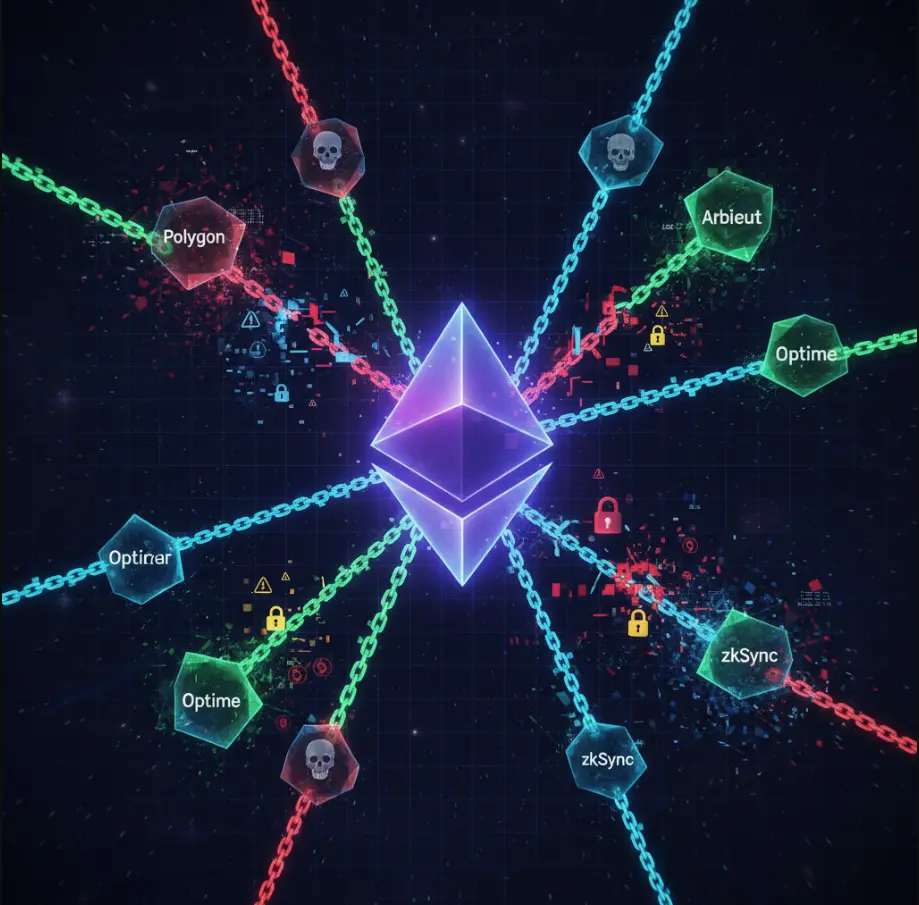
#KelpDAOBridgeHacked The KelpDAO bridge exploit represents a watershed moment for cross-chain DeFi security, exposing critical vulnerabilities in how liquid restaking protocols manage multi-chain collateral backing. The $292 million drain of 116,500 rsETH from Kelp's LayerZero-powered bridge on April 19, 2026, now stands as the largest DeFi hack of the year and the second-largest bridge exploit in crypto history, surpassed only by the Ronin Network's $625 million theft in 2022.
Understanding the attack vector requires examining the architectural relationship between KelpDAO and LayerZero. Kelp operates as a liquid restaking protocol, allowing users to deposit ETH staking derivatives like stETH or cbETH in exchange for rsETH, a token representing restaked positions earning yield through EigenLayer. To enable rsETH circulation across more than 20 blockchains including Base, Arbitrum, Linea, Blast, Mantle, and Scroll, Kelp utilized LayerZero's Omnichain Fungible Token (OFT) standard, which locks tokens on Ethereum mainnet while issuing wrapped representations on destination chains.
The exploit's sophistication lies in its infrastructure-layer targeting rather than smart contract vulnerability. Attackers, preliminarily attributed to North Korea's Lazarus Group and its TraderTraitor subunit by LayerZero, executed a multi-stage operation compromising the verification mechanism itself. They first infiltrated two RPC nodes that LayerZero's verifier relied upon for cross-chain message validation, replacing legitimate node software with malicious binaries designed to report fraudulent transaction data selectively. When LayerZero's verifier queried these compromised nodes, they received confirmation that a valid cross-chain transfer had occurred, even though no such transaction existed on the source chain.
Compromising two nodes alone proved insufficient, as LayerZero's verifier architecture queries multiple RPC endpoints for redundancy. The attackers deployed a coordinated distributed denial-of-service attack against uncompromised external nodes between 10:20 a.m. and 11:40 a.m. Pacific Time on Saturday, forcing failover to the poisoned infrastructure. Once the malicious nodes became the sole data source, they instructed Kelp's bridge to release 116,500 rsETH, approximately 18% of circulating supply, to attacker-controlled addresses. The malicious software subsequently self-destructed, erasing binaries and local logs to hinder forensic analysis.
The critical enabling factor was Kelp's decision to operate a single-verifier (1-of-1) configuration despite LayerZero's explicit recommendations for multi-verifier redundancy. Under a properly hardened setup requiring consensus across multiple independent decentralized verifier networks (DVNs), compromising one verifier's data feed would prove insufficient to forge valid cross-chain messages. LayerZero confirmed that every OFT-standard token and application running multi-verifier configurations remained completely unaffected, demonstrating the protocol functioned as designed while Kelp's security choices created the exploitable opening.
The immediate aftermath triggered cascading effects across DeFi protocols holding rsETH exposure. Aave, the largest lending protocol with rsETH collateralization, faced potential bad debt scenarios ranging from $123 million to $230 million depending on how Kelp allocates the shortfall. The lower estimate assumes losses spread across all rsETH holders causing approximately 15% depegging, while the higher figure reflects concentration on Layer 2 networks if losses remain isolated to non-Ethereum deployments. The attacker deposited 89,567 rsETH into Aave as collateral, borrowing roughly $190 million in ETH and related assets across Ethereum and Arbitrum, leaving the protocol exposed to collateral with potentially impaired backing.
Aave's emergency response froze rsETH markets on V3 and V4 within hours, set loan-to-value ratios to zero, and halted new borrowing against the asset. Despite these measures, approximately $6 billion in total value locked was withdrawn from Aave as users reassessed interconnected DeFi infrastructure risks. SparkLend, Fluid, and Upshift similarly froze rsETH markets, while Lido Finance paused deposits into its earnETH product carrying rsETH exposure. Ethena temporarily suspended its LayerZero OFT bridges as a precautionary measure despite having no direct rsETH exposure.
The broader DeFi ecosystem experienced severe contagion effects. Total value locked across DeFi protocols plummeted $14 billion to approximately $85 billion, reaching a one-year low and marking a 50% decline from October 2025 peaks. Aave alone saw around $10 billion in deposit withdrawals. The DeFi sector's TVL contraction reflects not merely the direct exploit losses but a fundamental repricing of cross-chain bridge risk as users recognize that wrapped assets on Layer 2s may lack full backing when bridge reserves are compromised.
LayerZero's post-incident response carries significant implications for cross-chain infrastructure standards. The protocol announced it will no longer sign messages for any application running single-verifier configurations, effectively forcing a mandatory migration toward multi-verifier setups across the entire ecosystem. This policy shift transforms what was previously a security recommendation into a protocol-level requirement, potentially preventing similar exploits but also increasing operational complexity and costs for cross-chain applications.
The rsETH depegging dynamics present ongoing market risk. With bridge reserves drained, holders on non-Ethereum deployments face uncertainty about whether their tokens maintain full backing. This creates reflexive pressure where panic redemptions on Layer 2s could force Kelp to unwind restaking positions to honor withdrawals, potentially triggering further depegging and cascading liquidations across lending protocols. Kelp's emergency pauser multisig froze core contracts 46 minutes after the initial drain, but two subsequent exploit attempts at 18:26 UTC and 18:28 UTC, each attempting to drain an additional 40,000 rsETH worth approximately $100 million, were only prevented by these emergency measures.
From a security research perspective, the exploit demonstrates the evolution of state-sponsored crypto theft operations. The Lazarus Group's infrastructure-layer targeting, combining RPC node compromise with DDoS failover manipulation, represents significantly higher sophistication than previous smart contract exploits. The selective data poisoning that remained invisible to LayerZero's monitoring infrastructure, which queries the same RPCs from different IP addresses, shows advanced operational security tradecraft designed to evade detection until execution.
The incident also highlights the systemic risks of liquid restaking protocols' complexity. By wrapping staked ETH derivatives through EigenLayer, then bridging wrapped representations across multiple chains through LayerZero, rsETH created a dependency chain where vulnerabilities at any layer, bridge, or verification mechanism could compromise the entire collateral stack. The $292 million loss exceeds the combined exploits of the previous month, including the $285 million Drift exploit on April 1, establishing 2026 as a record year for DeFi theft with over $600 million stolen in just 20 days.
For DeFi participants, the KelpDAO exploit necessitates a fundamental reassessment of cross-chain asset risk. Wrapped assets on Layer 2s are only as secure as their bridge infrastructure, and the concentration of backing reserves in single points of failure creates systemic vulnerabilities that sophisticated attackers can exploit. The migration toward multi-verifier configurations, while improving security, cannot eliminate the fundamental trust assumptions inherent in cross-chain bridging. Until truly trustless cross-chain communication emerges, DeFi users must price the bridge risk premium accordingly when evaluating yield opportunities across multi-chain deployments.
repost-content-media
  • Reward
  • Comment
  • Repost
  • Share
like comment
DragonFlyOfficial
🚨 Bitcoin Market Update: Geopolitical Stress vs Institutional Strength
Bitcoin’s resilience above $76K amid escalating US–Iran tensions signals a major shift in how crypto markets price geopolitical risk.
Instead of behaving like a pure hedge (gold-style), Bitcoin is increasingly acting as a high-beta risk asset moving closer to equity market behavior.
📊 Market Structure & Technical View
Bitcoin is currently consolidating between $74K – $78K, showing a stable range after recent volatility.
Key signals:
• 📈 4H MACD bullish divergence
• 🔄 Golden cross formation (April 20)
• 📊 Volume +21% above 7-day average
• ⚖️ Flat-to-negative funding rates (spot-driven rally)
👉 This suggests real institutional accumulation, not leveraged speculation.
🌍 Geopolitical Pressure: Limited Market Panic
Despite:
• Strait of Hormuz tensions
• Oil spike near $90 (+6%)
• Military escalation headlines
• Ceasefire uncertainty
Bitcoin has shown muted reaction compared to earlier cycles.
📌 This indicates:
Market participants may have already priced in most geopolitical risk.
🏦 Institutional Flow Strength
Strong structural demand continues:
• 💰 ~$1B weekly Bitcoin ETF inflows
• 🏦 New institutional ETF participation expanding
• 📊 Strategy holdings: 815,061 BTC accumulated
• 👨‍💼 Wealth advisors gaining BTC exposure access
👉 Supply-side pressure is tightening.
📉 Key Levels to Watch
• 🟢 Support: $74,000 – $75,000
• 🔴 Resistance: $78,500 – $80,000
Break above $78.5K could trigger short liquidation cascade toward $80K+.
⚠️ Risk Factor
Wednesday’s ceasefire deadline remains a high-impact binary event.
Possible outcomes:
• De-escalation → continuation of uptrend 📈
• Escalation → retest of $70K zone 📉
💡 Key Insight
Bitcoin is no longer purely reacting to headlines — it is now being driven by:
• Institutional accumulation
• ETF liquidity flows
• Structural supply tightening
Geopolitics matters, but flow dominates price action.
❓ Question for traders:
Is BTC now fully transitioning into a macro institutional asset, or is this just a calm before volatility returns?
Dragon Fly Official #BitcoinBouncesBack #GateSquare #CreatorCarnival
repost-content-media
  • Reward
  • Comment
  • Repost
  • Share
like comment
DragonFlyOfficial
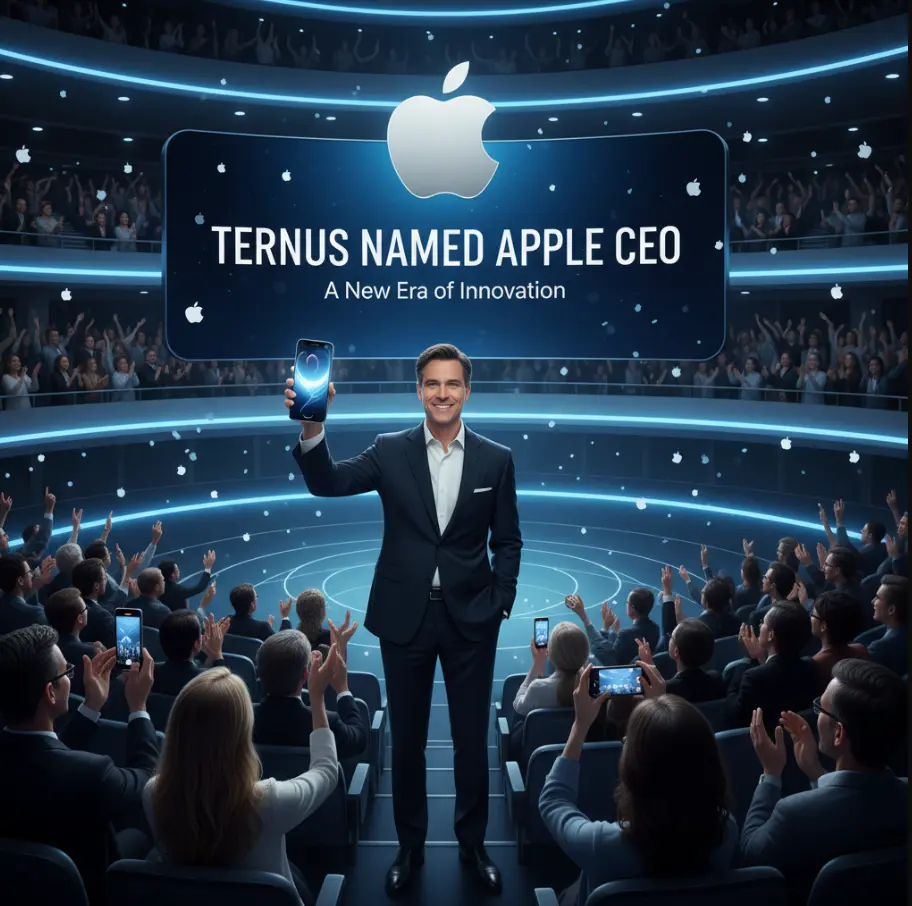
#TernusNamedAppleCEO
🚨 Apple Leadership Shift: A New Era Begins
Apple has announced a major leadership transition as John Ternus is set to become the next Chief Executive Officer on September 1, 2026, while Tim Cook moves into the role of Executive Chairman.
This marks the first CEO change since Tim Cook succeeded Steve Jobs in 2011 — signaling a historic shift for one of the world’s most valuable companies.
👤 Who is John Ternus?
John Ternus, 50, is a 25-year Apple veteran and currently Senior Vice President of Hardware Engineering.
He has played a key role in developing:
• iPhone
• iPad
• Mac
• Apple Watch
• AirPods
• Vision Pro
With a strong mechanical engineering background and deep product experience, Ternus is widely seen as Apple’s “hardware-first” leader.
📊 Tim Cook’s Legacy
Under Tim Cook’s leadership, Apple transformed dramatically:
• Market value grew to $4 trillion
• Revenue reached $400B+
• Expanded into wearables and services
• Built world-leading supply chain operations
Cook turned Apple into the world’s most valuable company through operational excellence and scale.
⚠️ Key Challenges Ahead for Ternus
• AI competition gap with Microsoft, Google, and Meta
• Rising geopolitical and supply chain pressures
• Saturation in smartphone market (“post-iPhone” era)
• Expanding AI-driven services ecosystem
📈 What This Means for Tech Industry
Apple’s choice of a hardware-focused CEO signals a strong belief in the future of tightly integrated AI-powered devices rather than purely software-driven ecosystems.
This could define the next decade of innovation in consumer technology.
💡 Key Insight:
Apple is not just changing leadership — it may be redefining its strategy for the AI era.
❓ What do you think:
Will a hardware expert like John Ternus give Apple an edge in the AI revolution, or will software-first competitors lead the next wave?
Dragon Fly Official
repost-content-media
  • Reward
  • Comment
  • Repost
  • Share
good
DragonFlyOfficial
#USIranTensionsShakeMarkets
🚨 Global Macro Alert: US-Iran Tensions Shake Financial Markets
Escalating tensions between the United States and Iran have once again placed the Strait of Hormuz at the center of global market risk.
With nearly 20% of global oil shipments passing through this critical waterway, renewed fears of supply disruption have triggered a sharp risk-off move across traditional markets.
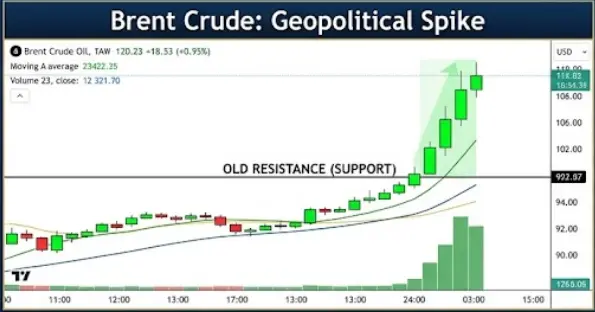
Oil prices surged more than 5%, with Brent crude pushing back toward the $95 zone as traders rapidly priced in geopolitical risk and potential supply shocks.
📊 Market Reaction
• Brent Crude: Near $95
• Global Equities: Under pressure
• USD: Safe-haven strength
• Crypto: Showing resilience
While equities have reacted negatively to the renewed uncertainty, cryptocurrency markets continue to display remarkable strength.
Bitcoin is holding firm near $75.6K, up over 1.5% in the last 24 hours, while Ethereum remains stable above $2.3K.
This relative resilience suggests that digital assets are increasingly being viewed as an alternative hedge during periods of geopolitical stress.
Unlike previous cycles where headline risk triggered panic selling, the current market structure appears significantly more mature.
Institutional ETF flows, reduced speculative leverage, and stronger spot demand continue to provide a more reliable floor for BTC.
📈 Key Insight
The divergence between traditional risk assets and crypto is becoming more visible.
Stocks are pricing inflation risk and slower growth due to higher oil prices, while Bitcoin is attracting attention as a macro hedge and alternative store of value.
If tensions continue to escalate, volatility across oil, equities, FX, and crypto is likely to remain elevated.
⚠️ Risk Warning:
Markets are highly sensitive to geopolitical headlines. Always use strict risk management and never trade without a defined plan.
Dragon Fly Official
repost-content-media
  • Reward
  • Comment
  • Repost
  • Share
good
DragonFlyOfficial
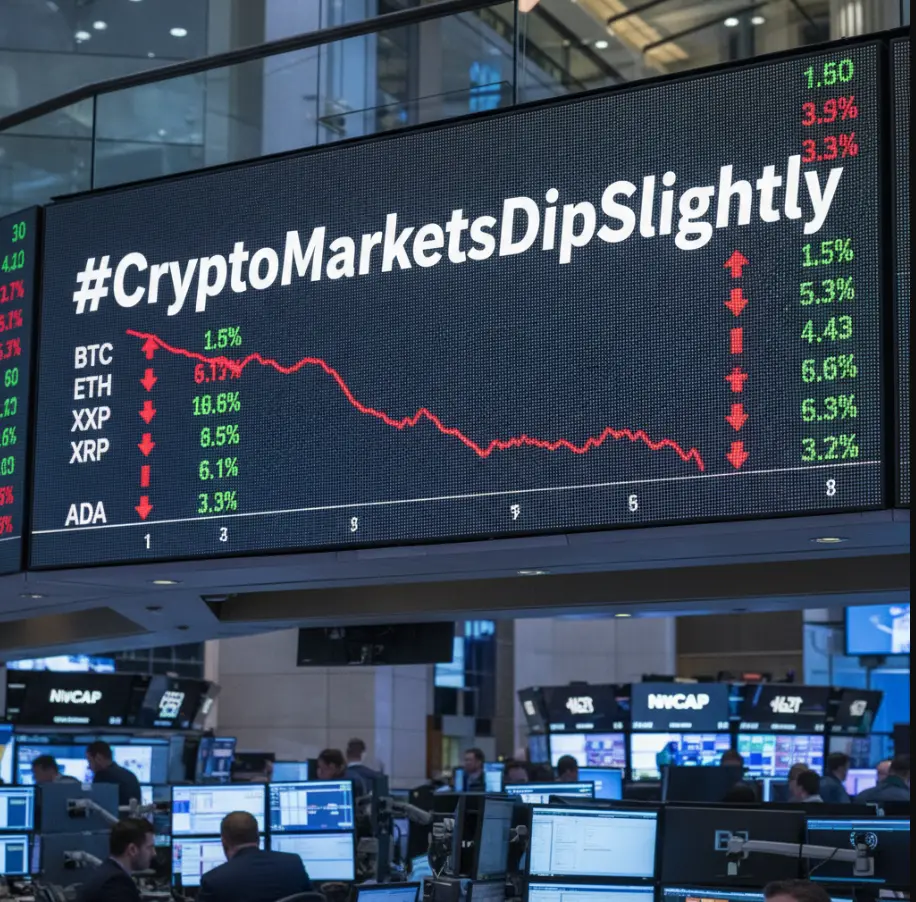
#CryptoMarketsDipSlightly
🚨 Crypto Market Update: Healthy Dip or Trend Reversal?
Cryptocurrency markets are currently moving through a healthy consolidation phase after recent volatility.
BTC is holding strong near $75.6K after successfully defending the $74K support zone, while ETH remains stable around $2.3K and SOL trades near $85.
The broader market is showing a cautious risk-off sentiment, driven by macro uncertainty, Middle East tensions, and rising oil prices. Despite this, crypto has shown remarkable resilience compared to previous cycles.
📊 Key Market Snapshot
• BTC: $75,600
• ETH: $2,300
• SOL: $85
• Market Structure: Consolidation within uptrend
• Sentiment: Neutral to cautious
Institutional support continues to provide a strong foundation. Spot ETF inflows remain positive overall, leverage has cooled, and exchange balances for Bitcoin continue trending lower — a signal often associated with long-term accumulation.
On-chain data also remains constructive:
• BTC exchange reserves declining
• ETH staking supply remains strong
• Funding rates normalized
• Volatility cooling after recent options expiry
Geopolitical developments remain a short-term risk factor, but unlike previous cycles, Bitcoin is showing stronger stability under pressure.
📈 Technical Outlook
As long as Bitcoin continues to hold above $74K, the current dip appears to be a healthy correction rather than a bearish reversal.
This reset in sentiment may provide a stronger base for the next leg higher.
⚠️ Risk Warning:
Crypto markets remain highly volatile. Always use proper risk management and never invest more than you can afford to lose.
Dragon Fly Official
repost-content-media
  • Reward
  • Comment
  • Repost
  • Share
good
DragonFlyOfficial
#Gate13thAnniversaryLive
Gate has officially launched its 13th Anniversary Global Celebration Campaign, marking over a decade of continuous operation in the cryptocurrency industry with the theme "Your Gateway to iWeb3." This milestone represents one of the longest tenures among active cryptocurrency exchanges, demonstrating sustained resilience through multiple market cycles since the platform's founding in 2013.
The anniversary celebration commenced on April 9, 2026, with the Early Bird Boarding Plan, and will continue through May 27, 2026. This extended campaign period encompasses multiple phases of user engagement, including daily quiz challenges, lucky draw opportunities, and a million-dollar prize pool. Participants can earn exclusive boarding tickets and cabin upgrade eligibility through task completion involving trading, earning, inviting friends, and VIP upgrades. The campaign also features the release of 13 Time Capsule items for collection, with users who complete the full set becoming eligible for the 13th Anniversary Mystery Gift Pack drawing.
The platform's growth metrics underscore the significance of this anniversary. Gate now serves over 50 million registered users globally and supports trading for more than 4,500 digital assets. February 2026 spot trading volume exceeded $74 billion, representing an 11 percent month-over-month increase. The exchange maintains a position among the top three platforms in the AA to A rating category and holds approximately 11 percent market share in derivatives trading. Proof of reserves data shows a 125 percent coverage ratio with total reserve value of $9.478 billion, ranking fourth globally among exchanges.
The 13th anniversary celebration extends beyond digital campaigns to include significant offline events in Hong Kong. The GATE GALA 13 anniversary dinner took place on April 20, 2026, at Rosewood Hong Kong, featuring the Gate 13 Blue Carpet Ceremony and the unveiling of an Oracle Red Bull Racing F1 show car. From April 18 through April 24, the "Racing the Future" outdoor exhibition was presented along the K11 MUSEA Promenade Waterfront, creating a physical manifestation of the platform's brand partnerships and technological vision.
These events connect to Gate's strategic partnerships with Oracle Red Bull Racing in Formula 1 and FC Internazionale Milano, demonstrating the exchange's approach to brand building through association with high-performance sports and global entertainment. The F1 partnership in particular aligns with the platform's emphasis on speed, precision, and cutting-edge technology.
The anniversary campaign includes the "13 Moments with Gate" user engagement initiative, running from April 14 through April 27, 2026. This program invites users to share their experiences with the platform across three distinct topics. The MyGateStory category encourages users to recount their trading journeys and memorable platform interactions, with three selected winners receiving exclusive Gate 13th Anniversary gift boxes. The WhatIWantToSayToGate topic invites messages and wishes for the platform's future, with the top ten posts by engagement receiving 500 USDT position vouchers and Gate Ukey hardware devices. The Next13YearsPrediction category asks users to forecast the cryptocurrency landscape in 2039, with ten winners receiving 500 USDT position vouchers and commemorative bottle openers. Additional engagement rewards recognize users who generate significant community interaction through their posts.
Gate has released a 13th anniversary brand film across major social media platforms, with the first installment revisiting 2013 when Bitcoin first exceeded $1,000. The film connects key milestones in the platform's development to broader cryptocurrency market history, emphasizing the long-term approach of continuous building through multiple bull and bear cycles. This narrative positioning reinforces the platform's message that sustained operation and user trust accumulation create competitive advantages that transcend short-term market fluctuations.
The anniversary celebration coincides with significant platform expansion into multi-asset trading and artificial intelligence integration. Gate has introduced a dedicated TradFi trading section offering tokenized traditional assets including stocks, metals, indices, foreign exchange, and commodities. This expansion bridges digital asset markets with conventional financial instruments, creating a unified trading environment for users seeking exposure across asset classes.
The Gate DEX has undergone substantial upgrades, now offering comprehensive on-chain financial products including spot trading, futures, swap functionality, and asset listings. Gate Perp DEX processes over one million monthly transactions, while Gate Layer on-chain addresses exceed 100 million, indicating significant adoption of the platform's decentralized infrastructure.
Artificial intelligence capabilities have been integrated across the platform through multiple initiatives. GateAI provides market interpretation, strategy insights, and trading assistance. Gate for AI integrates centralized exchange, decentralized exchange, wallet, payment, news, and information services with AI agent capabilities. GateRouter serves as an AI aggregation portal enabling one-click access to major AI models. GateClaw functions as a native AI agent for intelligent trading execution. These tools represent the platform's positioning for the emerging intelligent Web3 era referenced in the anniversary theme.
Compliance infrastructure has been established across key markets, with multiple Gate entities obtaining registrations or licenses in Malta, Cyprus, the Bahamas, Japan, the United States, Australia, and Dubai. This regulatory footprint provides operational clarity and user protection across major jurisdictions, supporting the platform's global expansion strategy.
The anniversary celebration includes founder CEO Dr. Han conducting in-depth dialogues with global users, participation in Paris Blockchain Week and the Hong Kong Web3 Carnival, and a global trading competition designed to increase platform activity and encourage strategy innovation among participants.
The timing of this 13th anniversary holds particular significance within the cryptocurrency industry context. Few exchanges founded in 2013 remain operational today, and those that survived have generally established dominant market positions. Gate's sustained operation through the Mt. Gox collapse, the 2018 bear market, the 2022 Terra and FTX implosions, and multiple regulatory challenges demonstrates operational resilience that newer platforms have not yet proven.
The platform's evolution from a simple Bitcoin exchange to a comprehensive financial ecosystem spanning centralized trading, decentralized protocols, payment systems, and AI integration reflects the broader maturation of the cryptocurrency industry. The 13th anniversary celebration serves as both a retrospective on this transformation and a positioning statement for the next phase of development.
As the campaign continues through May 2026, the platform aims to reinforce user relationships, attract new participants, and establish the foundation for the next thirteen years of operation. The combination of digital engagement mechanics, offline events, product launches, and brand storytelling creates a comprehensive anniversary program that leverages the milestone for strategic positioning in an increasingly competitive market.
repost-content-media
  • Reward
  • Comment
  • Repost
  • Share
good
DragonFlyOfficial
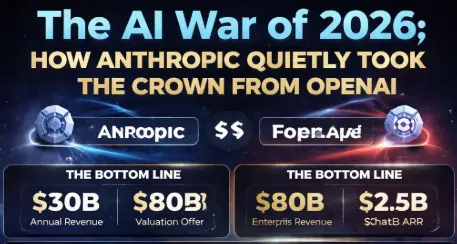
#AnthropicvsOpenAIHeatsUp
The AI War of 2026: How Anthropic Quietly Surpassed OpenAI
The AI landscape has seen an unexpected shift in 2026, with Anthropic taking the lead, outpacing OpenAI in key areas like enterprise revenue, coding performance, and business value. Anthropic's revenue has skyrocketed to $30 billion annually, a massive leap from $1 billion at the end of 2024. With an $800 billion valuation offer, Anthropic has overtaken OpenAI as the most valuable private AI company.
What Went Wrong for OpenAI?
OpenAI, once the undisputed leader in AI, is now scrambling to catch up. Despite its impressive consumer base, the company is struggling to match Anthropic’s enterprise growth. OpenAI’s recent launch of the $100/month ChatGPT Pro tier is their attempt to challenge Anthropic's dominance in the coding sector with Claude Code, which has already amassed $2.5 billion in annual recurring revenue.
The Product Battle: Claude vs. ChatGPT
While ChatGPT is known for speed and image generation, Anthropic's Claude shines in areas crucial to businesses:
Writing & Research: Claude provides more nuanced, human-like output, excelling in long-form content.
Coding & Development: Claude Code is the preferred tool for developers, offering better reasoning and fewer errors.
Creative Projects: Claude is a better partner for brainstorming and refinement, while ChatGPT excels in quick answers and creative tasks.
Enterprise Focus: Claude dominates in document processing, coding tasks, and financial analysis, crucial for business applications.
Revenue Growth & Enterprise Adoption
Anthropic's explosive growth has been fueled by its focus on enterprise contracts:
Claude Code: $2.5 billion ARR in just 6 months
Fortune 500 companies: 8 out of 10 largest companies use Claude
Enterprise Contracts: Over 1,000 companies now spend $1 million+ annually on Claude
In contrast, OpenAI continues to rely on its consumer base, with hundreds of millions of ChatGPT users, but consumer subscriptions don't match the high-value contracts Anthropic has secured.
Why Anthropic is Winning
Built for Work, Not Just Chat: Claude’s enterprise features cater to real-world business tasks like Excel analysis, PowerPoint integration, and codebase management, making it a reliable tool for professionals.
Enterprise Trust: Anthropic's safety-first approach has won the trust of large enterprises, prioritizing security and compliance.
Quiet Execution: While OpenAI is caught in the spotlight, Anthropic continues to quietly release superior products, focusing on delivering results rather than hype.
The Bigger Picture: What Does This Mean for AI?
The fierce competition between Claude and ChatGPT is driving the AI industry forward. As these companies compete, AI products are becoming more refined and effective, offering tangible benefits to businesses and users alike.
For businesses and developers, Claude is the tool of choice for serious, complex tasks, while ChatGPT remains a great option for quick tasks and creative brainstorming.
repost-content-media
  • Reward
  • Comment
  • Repost
  • Share
good
DragonFlyOfficial
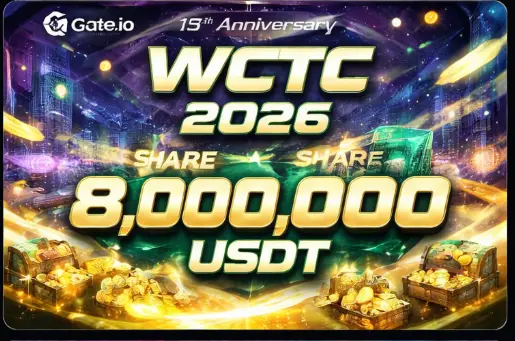
📈 #WCTCTradingChallengeShare8MUSDT — Deep Research & Strategic Insights
Gate.io Celebrates 13 Years with the Most Ambitious Trading Contest Yet — WCTC 2026 🚀
🔥 What Makes WCTC 2026 a Game Changer?
Gate.io’s World Crypto Trading Championship (WCTC) Season 8 returns in April 2026 with a groundbreaking upgrade:
✔ 8 Million USDT Total Prize Pool — one of the largest in crypto trading competitions
✔ Multiple Competitive Formats — Team battles, Individual ranking, 1v1 Champion Showdowns
✔ Mystery Boxes & Cash Boxes — surprises that reward performance and participation
✔ Open to All Traders — whether you’re new or experienced
📊 Market Context & Strategic Timing
The crypto market in 2026 has shown renewed volatility and institutional interest, creating ideal conditions for high‑frequency and performance‑based trading tournaments:
🔹 Volatility = Opportunity: More price swings → greater profit potential for disciplined strategies
🔹 Institutional inflows continuing → more liquidity and better execution
🔹 Algo & quant traders are increasingly dominant — but WCTC levels the field with 1v1 formats & team play
This is not just a contest — it’s a benchmark of trading mastery in the current market regime.
🎯 Competition Format Breakdown
🧠 1 | Team Competition
Build or join teams
Use collaborative strategies
Share rewards with your squad
Encourages diversified approaches: hedging, arbitrage, trend trades
📌 Research Insight: Team formats reduce single‑player risk and encourage shared analytics — beneficial in volatile markets.
🕴️ 2 | Individual Leaderboard
Tracks performance of solo traders
Pure profit competition
Ideal for elite traders with edge strategies
📌 Research Insight: Individual contests push sharp traders to optimize risk/reward and execution discipline.
⚔️ 3 | 1v1 Champion PK
One‑on‑one head‑to‑head battles
Top performers face off for extra rewards
📌 Psychological Edge: Direct competition increases engagement and adds strategic depth.
🎁 4 | Mystery & Cash Boxes
Mystery boxes contain randomized rewards
Cash boxes give guaranteed USDT
📌 Behavioral Note: Mystery rewards increase participation psychology and retention — proven in gaming and trading platforms.
🧠 Winning Strategies (Backed by Market Patterns)
Here’s how top traders can maximize performance:
✅ Refine Risk Management
Set stop‑loss discipline
Use position sizing based on volatility
✅ Diversify Approach
Trend following + breakout + liquidity arbitrage
Cross‑pair analysis to capture inefficiencies
✅ Leverage Team Insights
Share technical signals
Back–testing collaborative tactics
Real‑time communication for dynamic risk adjustment
✅ Optimize Execution
Use API trading for automation
Pre‑defined strategy templates
Monitor latency and slippage
📍 Why This Matters for Traders
WCTC 2026 is not just about winning prizes — it’s about:
💡 Benchmarking your trading skill against global peers
💡 Sharpening market intuition across differing market regimes
💡 Getting recognized by a leading exchange community
💡 Earning real USDT while proving strategy robustness
📌 Important Dates & Eligibility
🗓 Season Starts: April 2026
📍 Who Can Join: All Gate.io users — new, existing, institutional, retail
💰 Rewards: Distributed across formats with special jackpots for top performers
📣 Final Call to Action
🔗 Join the #WCTCTradingChallengeShare8MUSDT at Gate.io
📊 Test your strategies, rise on the leaderboard, and share in 8 million USDT!
🚀 Traders — it’s time to show your edge.
If you want, I can optimize this for LinkedIn, Twitter (X), Instagram, or a long‑form blog post with visuals and hashtags.
repost-content-media
  • Reward
  • Comment
  • Repost
  • Share
good
DragonFlyOfficial
#BrentOilRises
Brent Oil Price Analysis: April 2026 – Market Insights
Introduction:
Brent Crude oil has recently witnessed a noticeable uptick in price. This analysis dives into the reasons behind the rise in Brent oil prices, the market dynamics at play, and potential future trends. Whether you are an investor, trader, or just an observer, here’s an easy-to-understand breakdown of what’s happening and why it matters.
Key Factors Driving the Rise in Brent Oil Prices:
Supply-Demand Imbalances:
Geopolitical Tensions: Several regions in the Middle East, including key oil-producing nations like Saudi Arabia, have experienced unrest. These geopolitical risks often result in supply disruptions or fears of future constraints, which tend to drive oil prices upward.
OPEC+ Decisions: The Organization of the Petroleum Exporting Countries (OPEC), alongside allied countries (OPEC+), continues to make cuts to oil production to stabilize prices. Recent reports indicate a willingness to extend production cuts beyond the planned timelines.
Seasonal Demand Surge: With summer approaching in the Northern Hemisphere, travel and transportation demands are expected to rise. Additionally, heavy industrial activities tend to peak during this period, increasing the need for crude oil.
Global Economic Recovery:
The world economy, particularly in major oil-consuming countries like the U.S., China, and India, is continuing to recover post-pandemic. As economies expand, demand for energy (especially oil) increases, pushing prices up.
Energy Transition and Strategic Stocks: There is also an increased demand for strategic reserves and energy diversification as countries move towards more sustainable energy, which momentarily boosts oil purchases.
Weakening of the U.S. Dollar:
Oil is typically priced in U.S. dollars, and a weaker dollar generally makes crude oil more affordable for buyers using other currencies. This trend can create a natural uptick in demand, leading to price increases.
Reduced U.S. Shale Production:
The U.S. shale oil industry has not been able to ramp up production to pre-pandemic levels due to factors like environmental regulations and higher operational costs. A slower U.S. production recovery means that other producers, such as Saudi Arabia and Russia, have a larger influence on global supply, pushing prices higher.
Market Speculation:
Commodity markets are influenced by investor sentiment. Hedge funds and institutional investors have been more optimistic about the potential for oil prices to rise, driving up prices through speculative purchases.
Refinery Turnarounds:
The oil refining sector also plays a crucial role in price movements. Periodic maintenance shutdowns or turnarounds in refineries reduce the demand for crude oil temporarily, but once the plants resume operation, there is an immediate surge in demand for crude, which can push prices higher.
Technical Analysis of Brent Oil Price Chart:
(Assuming you have a chart in mind, here’s what you can look for)
Breakout Above Key Resistance Levels: Brent Crude recently broke through key resistance levels near $90 per barrel. This breakout signals potential bullish momentum towards the next resistance at $95, which could be the short-term target.
RSI (Relative Strength Index): Currently, the RSI is showing a bullish trend, but it is approaching overbought territory. This suggests that while prices may continue to rise, caution should be exercised for potential pullbacks.
MACD (Moving Average Convergence Divergence): The MACD is in a strong upward trend, confirming positive momentum in the market. This technical indicator suggests that Brent Oil prices might continue to rise unless there is a significant reversal.
Moving Averages: The 50-day and 200-day moving averages have crossed bullishly, indicating a strong upward trend. However, if the price begins to lose momentum, a potential correction might occur.
Outlook:
Short-Term: In the next few weeks, expect Brent Crude to maintain its bullish momentum if the global economic recovery continues and if geopolitical tensions do not worsen. Look out for the $95-$100 per barrel range as the next price targets.
Long-Term: If supply constraints remain due to OPEC+ cuts, geopolitical risks, or a slower-than-expected recovery in U.S. shale production, Brent Oil prices could continue to climb. However, if economic conditions worsen or if there is a significant push towards alternative energy, oil prices might experience some volatility.
Conclusion:
Brent Oil prices are on an upward trajectory driven by supply-demand factors, geopolitical risks, and market speculation. As we move forward into the summer months, it’s essential for traders and investors to monitor these key factors, including OPEC’s actions, the health of the global economy, and the U.S. dollar’s strength. While the bullish trend seems strong, caution is advised as markets can shift rapidly.
For professionals, this analysis offers an opportunity to capitalize on price movements while being mindful of potential risks.
repost-content-media
  • Reward
  • Comment
  • Repost
  • Share
good
DragonFlyOfficial
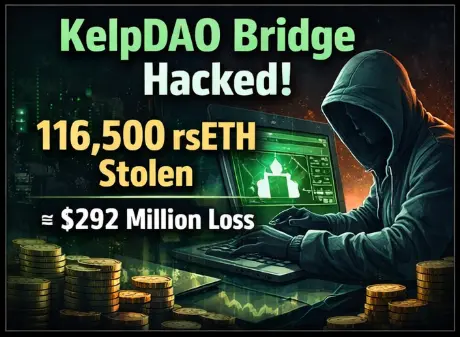
#KelpDAOBridgeHacked
KelpDAO’s bridge exploit is not just another crypto hack headline. It is a serious reminder that in DeFi, the biggest risk is often not the main product users trust every day, but the infrastructure operating underneath it.
On April 18, an attacker drained 116,500 rsETH from KelpDAO’s bridge setup, worth around $290–$293 million at the time. That represented nearly 18% of rsETH’s circulating supply. Several reports have described it as the biggest DeFi exploit of 2026 so far.
What makes this incident especially important is that the core restaking model itself does not appear to be the part that failed. Reports suggest the real weakness was the bridge configuration tied to LayerZero messaging. The route reportedly used a 1-of-1 verifier setup, meaning a single accepted verification could make a fake cross-chain message appear valid.
In simple terms, if a bridge relies on only one checkpoint, and that checkpoint is compromised or misused, the entire system can be exposed. That is exactly why bridges continue to be one of the weakest points in DeFi.
The damage did not stop with KelpDAO. After obtaining the rsETH, the attacker reportedly used the stolen tokens as collateral on Aave and borrowed large amounts of WETH against them. That pushed the issue into the wider DeFi ecosystem, because once bad collateral enters a lending market, the problem becomes larger than a single protocol.
Reports say Aave froze rsETH markets and estimated the fallout at roughly $196 million in bad debt, while fears of contagion quickly affected broader market sentiment.
Now the incident has turned into a blame battle. LayerZero says the exploit was isolated to KelpDAO’s configuration and points to the single-validator setup as the reason the forged message succeeded. KelpDAO, on the other hand, argues that the risky setup followed LayerZero’s documented defaults and relied on LayerZero-operated infrastructure.
In other words, both sides agree that the bridge path was the source of the problem, but they disagree on who should be held responsible for allowing that design to go live at such a large scale.
There is also a geopolitical angle emerging. Reports indicate that preliminary signs may point to North Korea’s TraderTraitor group. That attribution is still early and should be treated carefully, but it adds another layer of seriousness to an exploit that is already shaping up to be one of the defining crypto security events of the year.
The real lesson here goes beyond KelpDAO. DeFi has become deeply interconnected. Bridges connect chains, restaking tokens move across ecosystems, and lending markets accept those assets as collateral. That composability drives growth in good times, but during a failure, it also spreads damage very quickly.
One weak verifier, one forged message, and one piece of toxic collateral can suddenly impact lenders, liquidity providers, governance systems, and user confidence all at once.
If this incident changes anything, it should change how the market thinks about “safe enough” infrastructure. A protocol can have strong branding, rapid adoption, and solid core mechanics, but if its bridge assumptions are weak, the entire system remains fragile.
KelpDAO’s exploit is not just a story about lost funds. It is a story about hidden trust, risky defaults, and the price DeFi pays when infrastructure risk is underestimated.
repost-content-media
  • Reward
  • Comment
  • Repost
  • Share
good
DragonFlyOfficial
#USIranTensionsShakeMarkets
🚨 US-Iran Tensions Shake Global Markets 🚨
In recent weeks, the escalating tensions between the US and Iran have become a major concern for global investors, financial analysts, and policymakers alike. The ripple effects are being felt across stock markets, oil prices, and currency markets.
🔍 A Brief Overview
The United States has imposed strict sanctions on Iran, intensifying the economic pressure on the regime. Meanwhile, Iran has responded with provocative actions, including military exercises and threats to disrupt global oil supply routes. These events have stoked fears of potential military conflict in the region, which could have devastating consequences for global stability.
⚠️ Impact on Global Markets
Oil Prices Surge 🌍💰
As tensions rise, oil prices are feeling the heat. Iran is a key player in global oil markets, and any instability in the region could lead to a disruption in supply. This, in turn, can trigger sharp price increases for crude oil. The impact on prices is already evident, with Brent Crude pushing towards $90 per barrel.
Stock Market Volatility 📉📈
Global stock markets are experiencing significant volatility. Investor sentiment is increasingly cautious, with uncertainty clouding the outlook for major economies. The uncertainty surrounding the US-Iran standoff is a major factor in driving the market swings.
Currency Markets React 💱
Currencies in emerging markets, especially those reliant on oil exports, are also taking a hit. The US Dollar remains strong as a safe-haven currency, while the Iranian Rial has continued its downward spiral. Investors are flocking to assets perceived as "safer" amidst the turmoil.
Investor Sentiment and Risk Appetite 💼💭
With markets in flux, risk appetite has significantly diminished. Investors are increasingly looking for hedges against potential geopolitical risk. This has resulted in the rallying of assets like gold and US Treasury bonds, considered safe havens during uncertain times.
🚨 What’s at Stake?
The US-Iran conflict is more than just a geopolitical issue—it has profound implications for global markets, oil supply chains, and economic forecasts. The ongoing uncertainty is a major factor in shaping investment strategies across sectors.
💡 What Investors Should Watch For:
Diplomatic Efforts: How will international diplomacy unfold? Any signs of de-escalation could stabilize markets.
Oil Supply Disruptions: Keep a close eye on Middle Eastern oil production and its impact on prices.
Geopolitical Risk: Stay informed on military developments in the region.
📝 Key Takeaways:
The US-Iran tensions are a pivotal factor in shaping market behavior today. As the situation unfolds, we’ll continue to see market fluctuations, especially in energy sectors. Investors will need to be agile, adapting to market shifts while considering long-term global trends.
📊 Stay Ahead of the Market:
For businesses and investors, managing risk in this volatile environment requires proactive strategies, especially in sectors directly tied to energy, geopolitical stability, and international trade.
💬 Join the Conversation!
How are you adjusting your investment strategy amid rising tensions between the US and Iran? Let us know your thoughts and stay informed for more updates.
repost-content-media
  • Reward
  • Comment
  • Repost
  • Share
good
DragonFlyOfficial
#CryptoMarketsDipSlightly
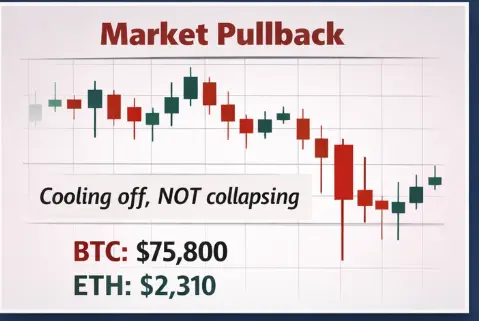
The market is red, but context matters.
What we are seeing right now looks more like a controlled pullback than a full structural breakdown. Price has softened, sentiment has cooled, and traders are clearly more cautious — but that alone does not confirm that the broader trend is finished.
This is the kind of phase where weak hands usually panic, while experienced traders slow down and study the reaction.
A slight dip after a strong move often means the market is testing conviction. It is checking whether buyers still have enough strength to defend important levels, and whether sellers actually have the momentum to push price into a deeper move. That is the real story here.
Right now, the market feels less like it is collapsing and more like it is recalibrating.
That difference matters.
Because when a real breakdown begins, price usually does not just drift lower — it accelerates. Support fails fast, rebounds get sold quickly, and confidence disappears almost immediately. What we are seeing instead is hesitation, compression, and a market that still looks undecided.
For serious traders and investors, this is not the moment to get emotional over one red session. This is the moment to watch the character of the dip.
Are buyers stepping in on weakness?
Are key levels being defended with intent?
Are altcoins completely losing structure, or just cooling off after recent strength?
Is this fear, or just profit-taking?
Those questions matter more than the headline.
The best setups are rarely found in panic posts or emotional reactions. They are found when the market pulls back, noise gets louder, and price starts revealing who is actually in control.
So yes, the market dipped slightly.
But a slight dip is not the same as a confirmed reversal.
A pause is not the same as a collapse.
And red candles without follow-through often say more about uncertainty than weakness.
The next real signal will come from the response:
how price behaves around support,
how quickly buyers reclaim momentum,
and whether this dip becomes a base — or the start of something heavier.
Until then, smart money watches.
It does not panic.
repost-content-media
  • Reward
  • Comment
  • Repost
  • Share
$PIEVERSE This coin, once it starts to rise, don’t blindly believe in the subsequent ups and downs. Because this is a Shen
PIEVERSE-11,63%
  • Reward
  • 2
  • Repost
  • Share
Cany87:
Who is this?
View More
market analysis
788 views
2026-04-20 11:13
  • Reward
  • Comment
  • Repost
  • Share
market analysis
745 views
2026-04-20 10:25
  • Reward
  • Comment
  • Repost
  • Share
market analysis
1.018 views
2026-04-20 09:32
  • Reward
  • Comment
  • Repost
  • Share
  • Pin