

Trade
Basic
Futures
Futures
Hundreds of contracts settled in USDT or BTC
TradFi
Gold
Trade global traditional assets with USDT in one place
Options
Hot
Trade European-style vanilla options
Unified Account
Maximize your capital efficiency
Demo Trading
Futures Kickoff
Get prepared for your futures trading
Futures Events
Participate in events to win generous rewards
Demo Trading
Use virtual funds to experience risk-free trading
Earn
Launch
CandyDrop
Collect candies to earn airdrops
Launchpool
Quick staking, earn potential new tokens
HODLer Airdrop
Hold GT and get massive airdrops for free
Launchpad
Be early to the next big token project
Alpha Points
Trade on-chain assets and enjoy airdrop rewards!
Futures Points
Earn futures points and claim airdrop rewards
Investment
Simple Earn
Earn interests with idle tokens
Auto-Invest
Auto-invest on a regular basis
Dual Investment
Buy low and sell high to take profits from price fluctuations
Soft Staking
Earn rewards with flexible staking
Crypto Loan
0 Fees
Pledge one crypto to borrow another
Lending Center
One-stop lending hub
VIP Wealth Hub
Customized wealth management empowers your assets growth
Private Wealth Management
Customized asset management to grow your digital assets
Quant Fund
Top asset management team helps you profit without hassle
Staking
Stake cryptos to earn in PoS products
Smart Leverage
New
No forced liquidation before maturity, worry-free leveraged gains
GUSD Minting
Use USDT/USDC to mint GUSD for treasury-level yields

More


Trending Topics
View More77.9K Popularity
5.55K Popularity
1.66K Popularity
2.39K Popularity
6.92K Popularity



Pin
Gate Square | 2/5 Today's Hot Topic: #BuyTheDipOrWaitNow?
🎁 [Community Perk] Post with the topic or #BTC, 10 lucky users * $100 position Voucher.
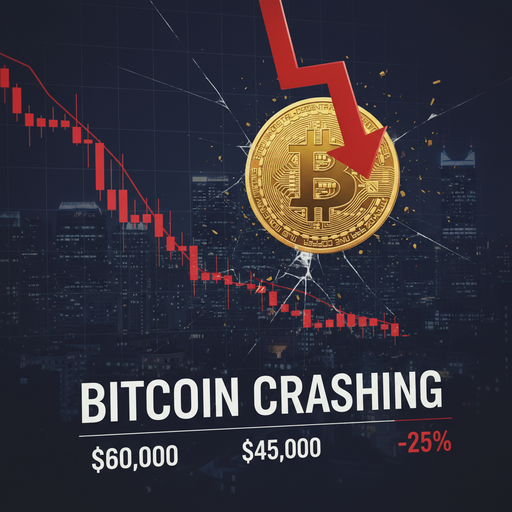
Market volatility continues as BTC breaks below the $74,000 key support level, with altcoins pulling back in sync. Are you buying the dip in batches or waiting for a better entry point?
💬 Today’s Discussion:
1️⃣ Bottom Signals: Where do you see BTC’s bottom — $70,000 or lower?
2️⃣ Market Drivers: Which recent macroeconomic news or rumors are influencing the market?
3️⃣ Dark Horses: Are there any resilient or outperforming tokens worth watching?
ShTap to Trade in Gate Square, Win up to 50 GT & Merch!
Click the trading widget in Gate Square content, complete a transaction, and take home 50 GT, Position Experience Vouchers, or exclusive Spring Festival merchandise.
Click the registration link to join
https://www.gate.com/questionnaire/7401
Enter Gate Square daily and click any trading pair or trading card within the content to complete a transaction. The top 10 users by trading volume will win GT, Gate merchandise boxes, position experience vouchers, and more.
The top prize: 50 GT.
 translates to greater percentage swings and wider price movement ranges. Lower-priced assets experience proportionally larger fluctuations, exposing investors to both greater potential profits and steeper loss scenarios.
Silver as a Portfolio Addition: When to Consider Buying
Incorporating silver into a diversified investment strategy warrants careful consideration. Most financial guidance suggests allocating no more than 5% of total investments to commodities, though individual circumstances may justify variations based on specific goals and investment horizons.
Optimal entry points for silver investment emerge when supply-demand imbalances create opportunities. When prices decline substantially and established companies demonstrate ability to operate profitably at lower price levels, those moments present attractive buying conditions. Conversely, purchasing at market peaks after significant price appreciations typically represents poor timing.
The Inflation Hedge Question: Silver’s True Long-Term Role
A persistent market theory suggests precious metals like silver provide effective inflation protection. However, historical evidence reveals a more nuanced reality: silver functions as an inflation hedge only across extremely extended timeframes spanning decades or centuries.
The 1970s oil crisis period (1973-1979) initially supported this narrative. As annual U.S. inflation averaged 8.8% during those years, silver gained approximately 80.8% annually—significantly outpacing price increases. However, this exceptional performance partially reflected Herbert and Nelson Hunt’s 1979 market corner attempt. Excluding that unusual event, silver averaged 22% annual gains from 1973-1978, roughly double the inflation rate.
Subsequent decades contradicted the inflation hedge thesis. During 1980-1984, when inflation averaged 6.5%, silver prices declined nearly 23%. The 1988-1991 period witnessed annual inflation of 4.6% while average silver prices fell 12.7%. Most recently, since April 2021, consumer price inflation has averaged approximately 7% annually while silver prices have declined roughly 25%.
Silver’s effectiveness as an inflation protection vehicle demonstrates itself only across multi-decade periods. For shorter investment horizons of years or single decades, alternative portfolio protection strategies may prove more reliable than relying on silver prices to offset inflation pressures.
Silver price data derives from multiple leading precious metals exchanges as sourced through specialized data providers. Spot price quotations represent averages across these exchanges with updates occurring once per business day.