

Trade
Basic
Futures
Futures
Hundreds of contracts settled in USDT or BTC
TradFi
Gold
Trade global traditional assets with USDT in one place
Options
Hot
Trade European-style vanilla options
Unified Account
Maximize your capital efficiency
Demo Trading
Futures Kickoff
Get prepared for your futures trading
Futures Events
Participate in events to win generous rewards
Demo Trading
Use virtual funds to experience risk-free trading
Earn
Launch
CandyDrop
Collect candies to earn airdrops
Launchpool
Quick staking, earn potential new tokens
HODLer Airdrop
Hold GT and get massive airdrops for free
Launchpad
Be early to the next big token project
Alpha Points
Trade on-chain assets and enjoy airdrop rewards!
Futures Points
Earn futures points and claim airdrop rewards
Investment
Simple Earn
Earn interests with idle tokens
Auto-Invest
Auto-invest on a regular basis
Dual Investment
Buy low and sell high to take profits from price fluctuations
Soft Staking
Earn rewards with flexible staking
Crypto Loan
0 Fees
Pledge one crypto to borrow another
Lending Center
One-stop lending hub
VIP Wealth Hub
Customized wealth management empowers your assets growth
Private Wealth Management
Customized asset management to grow your digital assets
Quant Fund
Top asset management team helps you profit without hassle
Staking
Stake cryptos to earn in PoS products
Smart Leverage
New
No forced liquidation before maturity, worry-free leveraged gains
GUSD Minting
Use USDT/USDC to mint GUSD for treasury-level yields

More



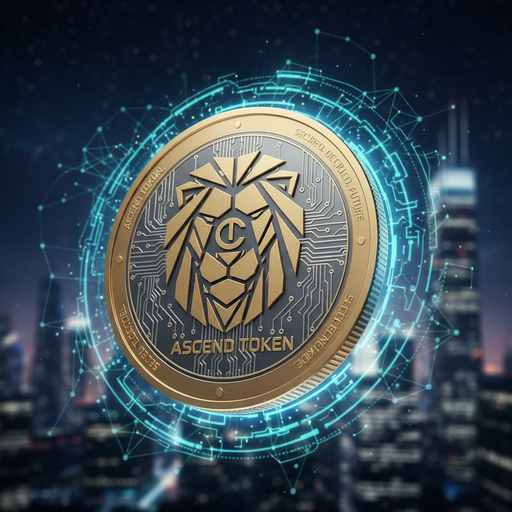



Understanding Onchain Crypto Transactions and Their Market Impact
Onchain crypto transactions form the backbone of blockchain networks, representing all activities executed directly on the distributed ledger. Unlike traditional financial systems, every onchain transaction is permanently stored and publicly accessible, creating an immutable record that anyone can verify. When cryptocurrency moves between wallets or smart contracts execute automatically, these are onchain operations that define the transparency and security characteristics that make crypto markets unique.
The Core Technology Behind Onchain Crypto Activity
The concept of onchain transactions emerged with Bitcoin’s launch in 2009, establishing a new paradigm for peer-to-peer value transfer. The term combines “on” with “blockchain” to denote operations occurring directly within the network rather than through intermediaries. Beyond simple asset transfers, onchain crypto encompasses smart contract execution, token minting, and data verification—all traceable and auditable by any network participant. This fundamental characteristic distinguishes blockchain-based systems from centralized financial infrastructure.
Why Onchain Crypto Metrics Matter for Investors
For traders and investors analyzing the crypto market, onchain data has become indispensable. Chain analysts track multiple indicators to predict market movements and identify opportunities. Transaction count reveals network activity levels, total transaction fees indicate network congestion and user urgency, while active addresses show how many unique participants are moving crypto assets. These metrics provide signals about whether institutions are accumulating positions, whether retail investors are panic selling, or whether markets are overheated.
Real-World Applications of Onchain Crypto Tracking
The practical utility of monitoring onchain crypto activities extends across multiple scenarios. When major market movements occur, sophisticated traders examine chain data to differentiate between organic selling pressure and whale manipulation. Payment processors verify onchain transactions to confirm fund settlement. DeFi platforms rely on onchain operations to execute loans, swaps, and yield strategies autonomously. This versatility demonstrates why onchain crypto has become central to decentralized finance operations.
Key On-Chain Metrics Every Crypto Participant Should Monitor
Understanding specific onchain indicators helps participants make informed decisions:
Historical analysis shows consistent growth in onchain crypto activity, with transaction volumes expanding significantly over successive years as the market matured and adoption increased.
The Decentralization Advantage
Onchain crypto transactions embody the decentralization principle that drives blockchain innovation. Every participant can independently verify transaction history, eliminating the need to trust centralized gatekeepers. This transparency creates accountability that traditional finance cannot match. For investors specifically, onchain verifiability means real-time proof of fund movement and settlement—a feature particularly valuable during market volatility when speed and certainty matter most.
Future Evolution of Onchain Crypto Technology
As blockchain networks mature, onchain crypto solutions continue advancing in sophistication and efficiency. Layer 2 scaling solutions improve transaction throughput while maintaining settlement security through the underlying layer 1. Cross-chain bridges enable onchain crypto assets to flow between networks seamlessly. Enhanced analytics platforms increasingly use machine learning to interpret onchain signals more accurately, providing traders and institutions with competitive intelligence.
Onchain crypto transactions will remain the foundation of blockchain ecosystems, continuously pushing the boundaries of what decentralized financial systems can achieve. The transparency, traceability, and immutability characteristics inherent in onchain operations position crypto as a complementary asset class alongside traditional markets for decades to come.