

Trade
Basic
Futures
Futures
Hundreds of contracts settled in USDT or BTC
TradFi
Gold
Trade global traditional assets with USDT in one place
Options
Hot
Trade European-style vanilla options
Unified Account
Maximize your capital efficiency
Demo Trading
Futures Kickoff
Get prepared for your futures trading
Futures Events
Participate in events to win generous rewards
Demo Trading
Use virtual funds to experience risk-free trading
Earn
Launch
CandyDrop
Collect candies to earn airdrops
Launchpool
Quick staking, earn potential new tokens
HODLer Airdrop
Hold GT and get massive airdrops for free
Launchpad
Be early to the next big token project
Alpha Points
Trade on-chain assets and enjoy airdrop rewards!
Futures Points
Earn futures points and claim airdrop rewards
Investment
Simple Earn
Earn interests with idle tokens
Auto-Invest
Auto-invest on a regular basis
Dual Investment
Buy low and sell high to take profits from price fluctuations
Soft Staking
Earn rewards with flexible staking
Crypto Loan
0 Fees
Pledge one crypto to borrow another
Lending Center
One-stop lending hub
VIP Wealth Hub
Customized wealth management empowers your assets growth
Private Wealth Management
Customized asset management to grow your digital assets
Quant Fund
Top asset management team helps you profit without hassle
Staking
Stake cryptos to earn in PoS products
Smart Leverage
New
No forced liquidation before maturity, worry-free leveraged gains
GUSD Minting
Use USDT/USDC to mint GUSD for treasury-level yields

More


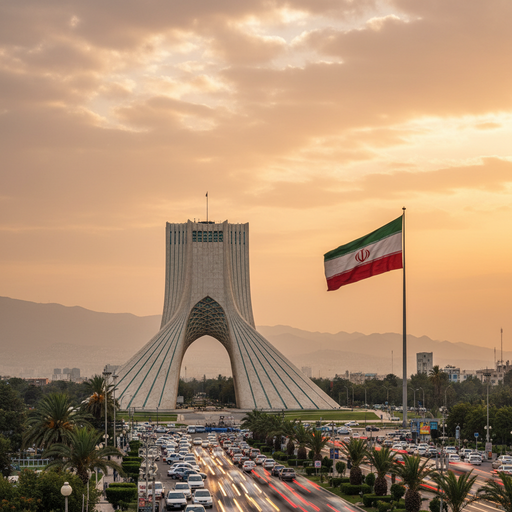




What other variables are there in the Iran conflict?
On February 28th, the United States and Israel launched a joint military strike against Iran, which completely ignited the Middle East geopolitical tinderbox. After the confirmation of Supreme Leader Khamenei’s death on March 1st, gold and crude oil prices staged a classic “rise and fall” pattern today, with market reactions remaining relatively restrained.
On March 2nd, Dongwu Securities stated in their latest research report that the current macro main theme is clear: in the short term, the market will follow the trading logic of “risk aversion first, then easing.” However, the shipping status of the Strait of Hormuz, whether the US will get involved in ground warfare, and internal power shifts within Iran remain the three major tail risks hanging over the market.
Specifically, if the Strait of Hormuz is effectively blocked, it could cause a short-term surge in global oil prices above $100; if the US is forced into a prolonged ground war, it will face soaring oil prices, forced rate hikes, and a backlash from consuming countries; internal power vacuum and succession within Iran will directly determine whether the conflict escalates further.
Dongwu Securities believes that in the long term, the frequency and intensity of global geopolitical conflicts are increasing, and the strategic hedging assets like gold and crude oil are becoming increasingly valuable as core holdings.
Geopolitical Hotspot: Baseline Scenario and Three Major Variables in US-Iran Conflict
The research report points out that Trump’s “pressure for talks through strikes” initially showed some results, but the risks of the Strait of Hormuz and prolonged conflict remain the market’s Damocles sword.
During the military operation on February 28th, Trump announced the launch of “Epic Fire” aimed at destroying Iran’s missile industry, controlling the Strait of Hormuz, and adopting a “zero tolerance” approach toward nuclear facilities; Iran responded with restraint, launching hundreds of missiles and drones under “Real Commitment-4.”
Dongwu Securities states that currently, the market assigns a 64% probability to a ceasefire before April. Under the baseline scenario, after a successful “decapitation” operation by Trump, he has taken the initiative, and both sides are likely to replicate the June 2025 Israel-Hezbollah Twelve-Day War model, declaring victory through limited air strikes to appease domestic politics.
The report estimates that, under the baseline scenario, both the US and Iran will keep the conflict within limited aerial strikes, expecting the situation to cool down within 2-3 weeks. When that happens, risk aversion will subside, oil prices are expected to fall back to the $60-70 range, and gold prices may retreat to around $5,200. Currently, the market assigns a 64% probability to a ceasefire before April.
However, three major variables warrant caution:
Risk Warning and Disclaimer
Market risks are inherent; investments should be cautious. This article does not constitute personal investment advice and does not consider individual users’ specific investment goals, financial situations, or needs. Users should consider whether any opinions, viewpoints, or conclusions herein are suitable for their particular circumstances. Invest accordingly at your own risk.