
Futures
Access hundreds of perpetual contracts
TradFi
Gold
One platform for global traditional assets
Options
Hot
Trade European-style vanilla options
Unified Account
Maximize your capital efficiency
Demo Trading
Introduction to Futures Trading
Learn the basics of futures trading
Futures Events
Join events to earn rewards
Demo Trading
Use virtual funds to practice risk-free trading
Launch
CandyDrop
Collect candies to earn airdrops
Launchpool
Quick staking, earn potential new tokens
HODLer Airdrop
Hold GT and get massive airdrops for free
Pre-IPOs
Unlock full access to global stock IPOs
Alpha Points
Trade on-chain assets and earn airdrops
Futures Points
Earn futures points and claim airdrop rewards


More




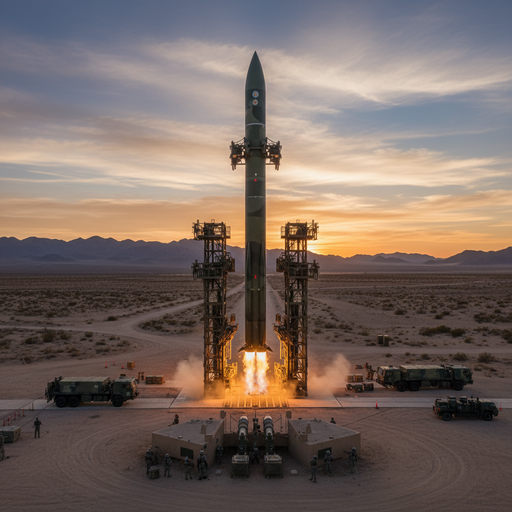
I just checked today's schedules and I was surprised at how accurate everything is. The sunrise will be at 6:28 AM according to SHN, but there is a morning twilight at 6 when the sky begins to gradually light up. The interesting part is that sunset today will occur at 7:58 PM, so we have plenty of daylight.
This information is useful if you plan outdoor activities. The maximum temperature will reach 27°C around 3 PM according to Windy, so that's the best time if you want to avoid the heat. The evening twilight will start at 8:25 PM, when the Sun is already below the horizon but the atmosphere still disperses its light.
What really has me hooked is that in 2026 there will be several important astronomical events. We have two solar eclipses and two lunar eclipses during the year. The annular solar eclipse will be on February 17, visible partially from southern Argentina and Chile. Then in August, there will be a total solar eclipse visible in parts of Europe, Greenland, and Iceland.
Additionally, NASA confirms there will be several interesting meteor showers, such as the Perseids in July-August and the Leonids in November-December. For those who enjoy observing the night sky, 2026 promises to be a pretty busy year. Today's sunset marks the beginning of those hours when stars are best seen if there is no light pollution.