
Futures
Access hundreds of perpetual contracts
TradFi
Gold
One platform for global traditional assets
Options
Hot
Trade European-style vanilla options
Unified Account
Maximize your capital efficiency
Demo Trading
Introduction to Futures Trading
Learn the basics of futures trading
Futures Events
Join events to earn rewards
Demo Trading
Use virtual funds to practice risk-free trading
Launch
CandyDrop
Collect candies to earn airdrops
Launchpool
Quick staking, earn potential new tokens
HODLer Airdrop
Hold GT and get massive airdrops for free
Pre-IPOs
Unlock full access to global stock IPOs
Alpha Points
Trade on-chain assets and earn airdrops
Futures Points
Earn futures points and claim airdrop rewards


More




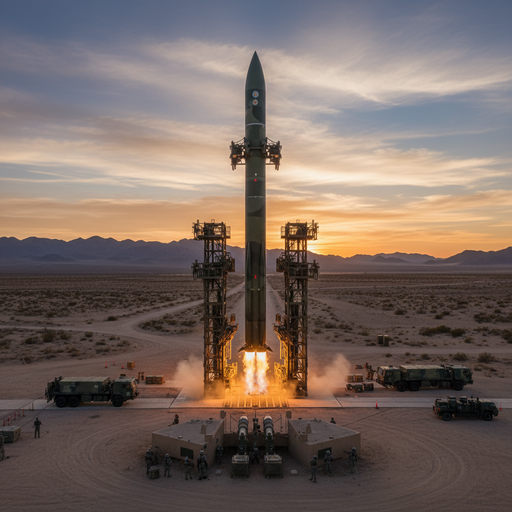

#Gate广场四月发帖挑战 #美军封锁霍尔木兹海峡 If the U.S. military blocks the Strait of Hormuz: phased impact overview and investment response
"Every major crisis has a clear timeline and transmission rhythm." — George Soros
The Strait of Hormuz is the global energy artery, with an average of 20 million barrels of crude oil (accounting for 25% of global shipping) and 22% of LNG passing through it daily. Once the U.S. military enforces a full blockade, chain reactions from energy to stock markets will be triggered, impacting the global markets in three deep stages.
1. Stage One: Short-term Emergency Shock (1-4 weeks): Energy Disruption + Inflation Surge
Key event: Starting April 13, the U.S. military will blockade Iranian ports and waterways. According to现场 data from AFP, the passage volume through the strait has plummeted by 95%, with only 4 ships passing; 346 energy transport ships are stranded in the Persian Gulf, carrying 104 million barrels of oil. IMF warns that the global daily crude oil supply gap could reach 10 million barrels, exceeding the total of two crises in the 1970s.
Market performance: Brent crude oil rises above $104.78/barrel, up over 45% since the beginning of the year; LNG transportation costs surge by 500%, fertilizer prices soar by 70%; global food prices hit a near six-month high, with spring planting facing raw material shortages.
Key risks: Rising costs for energy-importing countries, pressure on emerging market currencies; shipping insurance rates skyrocket, global logistics face paralysis.
2. Stage Two: Mid-term Game (1-3 months): Structural Rebalancing + Policy Shift
Core variables: OPEC+ increases production response, countries release strategic reserves, Iran seeks alternative channels. IEA data shows that 90% of Gulf oil exports depend on this route; continued blockade will force crude oil to divert to non-strait channels.
Market features: Oil prices stabilize at high levels of $100-120, Morgan Stanley warns that if the blockade extends to July, prices could break through $150; global inflation rises a second time, central banks shift from stabilizing growth to fighting inflation; energy alternatives accelerate, with short-term explosive demand for photovoltaics and energy storage.
Deeper impacts: Global supply chain restructuring, high-energy-consuming industries relocating to energy-rich regions; intensified geopolitical games, regional alliances reshuffling.
3. Stage Three: Long-term Reconstruction (3-12 months): Order Reshaping + Growth Shift
Core outcomes: Comprehensive adjustments in global energy pricing systems, trade rules, and monetary policies. IMF Chief Georgieva pointed out that whether the conflict ends or not, global growth will be downgraded and inflation will be up, which is a foregone conclusion.
Long-term trends: Energy security becomes a core national strategy, energy reserve systems accelerate improvement; global de-globalization deepens, regional industrial chains strengthen; renewable energy substitution accelerates, traditional energy share gradually declines.
4. Phased Investment Strategies: Steady Response, Navigating Cycles
🔴 Short-term (1-4 weeks): Light positions for defense, focus on energy mainline
• Prioritize allocation across the entire energy industry chain: crude oil, refined products, oil and gas equipment, capturing the certainty of supply-demand gaps;
• Standard allocation of precious metals: geopolitical conflicts + inflation drive ongoing safe-haven demand;
• Strict stop-loss: avoid high-energy-consuming, high-debt sectors, prevent blind bottom-fishing.
🟡 Mid-term (1-3 months): Balanced allocation, repositioning stocks
• Increase holdings in anti-inflation sectors: coal, non-ferrous metals, and other resource commodities to hedge inflation pressures;
• Add defensive assets: utilities, essential consumer goods, with stable cash flows and less impact;
• Layout energy transition: photovoltaics, wind power, energy storage, with long-term substitution logic gradually materializing.
🟢 Long-term (3-12 months): Value reversion, growth-oriented layout
• Heavy positions in new energy sectors: technological breakthroughs + policy support, broad growth space;
• Allocate to high-end manufacturing: domestic substitution acceleration, profit margins continue to expand;
• Adhere to prudent principles: diversified investments, reduced leverage, to navigate market volatility.
5. Core Action Guidelines: Rhythm is King, Risk Control First
1. Track key indicators: daily focus on Brent crude oil prices, strategic reserve releases, strait navigation data, as basis for portfolio adjustments;
2. Control positions: short-term positions not exceeding 60%, gradually increase to 70% in mid-term, maintain 70%-80% full positions long-term;
3. Do not go against the trend: strictly implement stop-loss and take-profit, avoid betting on policy reversals, do not blindly chase highs;
4. Core principle: the impact of global geopolitical crises features "short-term sharp decline, medium-term fluctuation, long-term digestion," investors should use time to buy space, maintaining rationality and patience.