
Futures
Access hundreds of perpetual contracts
TradFi
Gold
One platform for global traditional assets
Options
Hot
Trade European-style vanilla options
Unified Account
Maximize your capital efficiency
Demo Trading
Introduction to Futures Trading
Learn the basics of futures trading
Futures Events
Join events to earn rewards
Demo Trading
Use virtual funds to practice risk-free trading
Launch
CandyDrop
Collect candies to earn airdrops
Launchpool
Quick staking, earn potential new tokens
HODLer Airdrop
Hold GT and get massive airdrops for free
Pre-IPOs
Unlock full access to global stock IPOs
Alpha Points
Trade on-chain assets and earn airdrops
Futures Points
Earn futures points and claim airdrop rewards


More




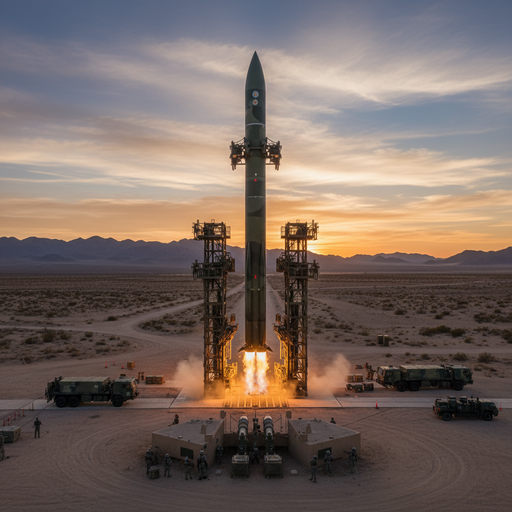

Iran and the U.S. didn't reach an agreement, and tensions in the Strait of Hormuz have escalated again. Goldman Sachs released a report with a quite alarming headline titled "Stocks — The Final Showdown," authored by strategist Shreeti Kapa on April 13. Goldman’s point is that the U.S. stock market has already been caught up in the situation, and who controls the Strait of Hormuz essentially determines the outcome of this round of conflict.
Let's first look at the market's reaction. From the start of this Middle East conflict to now, the S&P 500 has fallen by about 9% at its worst. Once the ceasefire news came out, it almost recovered to previous levels within a few days. This actually aligns well with historical patterns — Goldman Sachs has analyzed that geopolitical shocks typically cause the S&P 500 to drop around 8%, lasting about 18 days. But the key issue now is that the market has already rebounded close to its historical highs, yet no comprehensive agreement has been reached. Short-term technical fund flows are indeed positive, but without a full agreement, it’s hard to expect genuine buying interest to come in. Goldman’s own assessment is that the current risk-reward ratio is not favorable.
Next is the U.S. blockade of the Strait of Hormuz. CCTV News reported that the U.S. Central Command issued a statement saying that starting from 10 a.m. Eastern Time on April 13, all maritime traffic entering or leaving Iranian ports would be blocked. Iran also responded strongly, claiming that the strait is fully under their control, and released two videos showing U.S. military destroyers attempting to pass through the strait but being intercepted, ultimately having to withdraw to the Arabian Sea.
In the report, Goldman Sachs quoted a war maxim: "In war, the ability to endure pain is often more important than the ability to inflict pain." This