Latest Updates on the Crypto Market Structure Bill
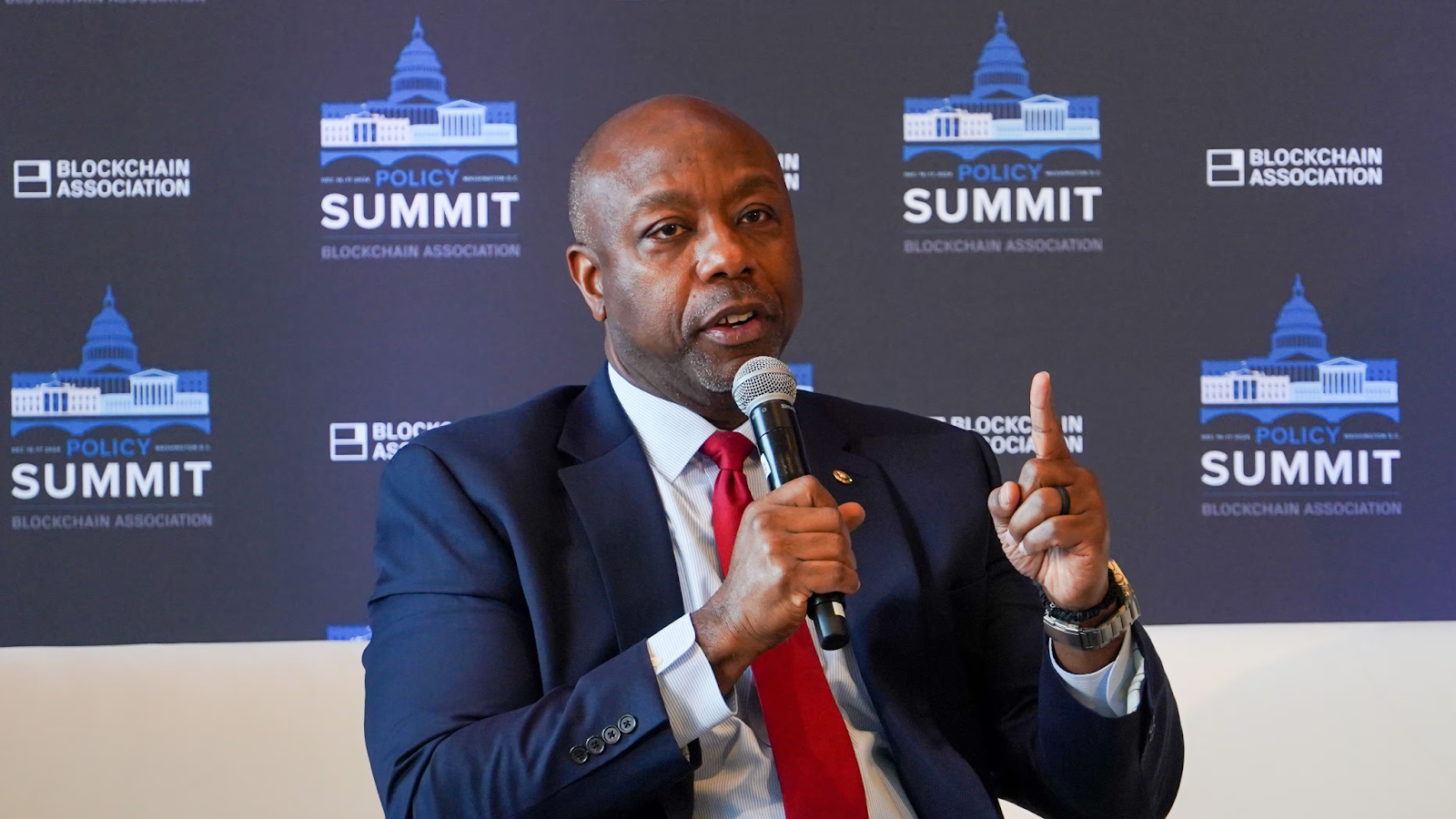
Source: https://www.coindesk.com/policy/2025/12/15/senate-punts-crypto-market-structure-bill-to-next-year
Congressional debate over the Crypto Market Structure Bill in the United States has entered a pivotal phase, though the legislative process is notably trailing market expectations. At the close of 2025, the Senate Banking Committee confirmed it would not complete a markup vote on the bill within the year, postponing deliberations until early 2026. As a result, lawmakers failed to reach consensus before the final legislative week of 2025, leaving the crypto industry facing heightened policy uncertainty in the near term.
The primary reason for the delay is ongoing disagreement over regulatory jurisdiction. The SEC and CFTC have yet to clearly define their respective roles in overseeing crypto assets, particularly regarding token classification and the regulatory hierarchy for trading platforms. These unresolved issues have prevented the development of a unified legislative draft.
It is worth noting that over the past year, the House of Representatives passed a version of the CLARITY Act related to market structure and submitted it to the Senate. The bill’s main objective is to clarify the regulatory boundaries between security tokens and commodity tokens, aiming to resolve the long-standing ambiguity over what constitutes a security in the crypto industry.
Political and Practical Roadblocks to Legislation
The advancement of the market structure bill is not just a technical legislative matter—it is deeply entangled in political strategy. Analysts point out that, with the 2026 US midterm elections approaching, some Democratic lawmakers may intentionally slow the legislative pace. This approach signals a willingness to negotiate while avoiding heightened conflict with traditional financial interests.
At the same time, lobbying from the banking sector and cautious or reserved attitudes from certain lawmakers toward innovations like stablecoins and DeFi have further complicated Senate discussions. Even if the bill makes progress in the Senate, it will still need to be reconciled with the House version and ultimately signed by the President, leaving the overall process subject to significant variables.
Additionally, some labor unions and consumer advocacy groups have expressed concerns about crypto legislation, arguing that the current draft lacks adequate investor protections and could increase systemic risk. While these perspectives may not dictate the final outcome, they highlight the ongoing multi-stakeholder negotiations that will shape the future regulatory framework.
Impact of the Bill’s Delay on Market Sentiment and Pricing
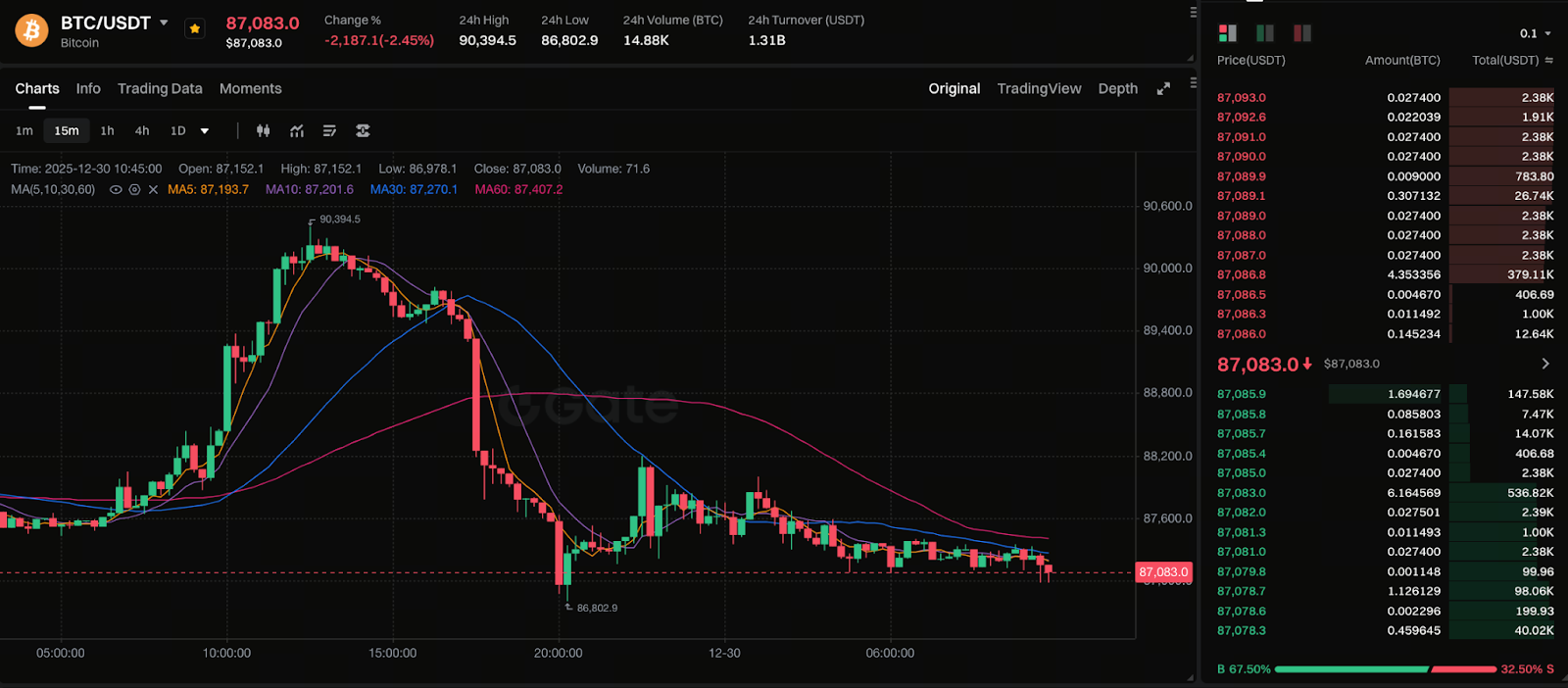
Source: https://www.gate.com/trade/BTC_USDT
The delay of the market structure bill is first and foremost affecting market sentiment. Some industry professionals believe that as long as the regulatory framework remains unresolved, mainstream institutional capital will remain hesitant to enter at scale, and investors will continue to take a cautious view on the industry’s legitimacy and long-term stability.
However, regulatory uncertainty does not equate to entirely negative outcomes. Some analysts note that in the absence of legislative progress, the SEC may fill regulatory gaps through administrative rules or enforcement guidance. By leveraging existing legal frameworks to strengthen oversight, regulators can partially address concerns about a “regulatory vacuum.” Regulatory agencies have repeatedly emphasized that their current mandates are sufficient to cover the majority of crypto market activities.
From a price perspective, policy uncertainty exerts short-term pressure but has not fundamentally altered the medium- to long-term outlook. Certain institutions remain optimistic about the market’s prospects in 2026, expecting the next bull cycle to emerge gradually, potentially pushing BTC to new all-time highs.
Global Regulatory Trends: From the US to the UK
Stricter regulation is not unique to the United States. The UK Treasury is also planning to introduce a new crypto regulatory framework, bringing digital assets under oversight similar to that of traditional finance. This trend shows that major economies are converging on the view that regulatory transparency is essential for the sustained, healthy development of the crypto market.
Under these plans, the UK may require crypto exchanges and wallet providers to register and comply strictly with anti-money laundering and disclosure requirements. Such measures are expected to boost investor confidence and reduce opportunities for illicit and fraudulent activity.
2026 Outlook: Price Expectations and Investment Strategies
Looking ahead to 2026, as regulatory frameworks in major jurisdictions become more defined, institutional capital is expected to face fewer systemic barriers to entry. The implementation of stablecoin regulation will provide a more robust foundation for payments, clearing, and on-chain transactions, while leading assets such as BTC and ETH are likely to benefit from clear compliance boundaries.
Nevertheless, if the market structure bill continues to be delayed, shifting policy timelines could still trigger periods of volatility. For investors, maintaining a medium- to long-term perspective while adopting flexible position management and risk control strategies will remain crucial for navigating ongoing regulatory uncertainty.