One Account Connecting Diverse Financial Markets
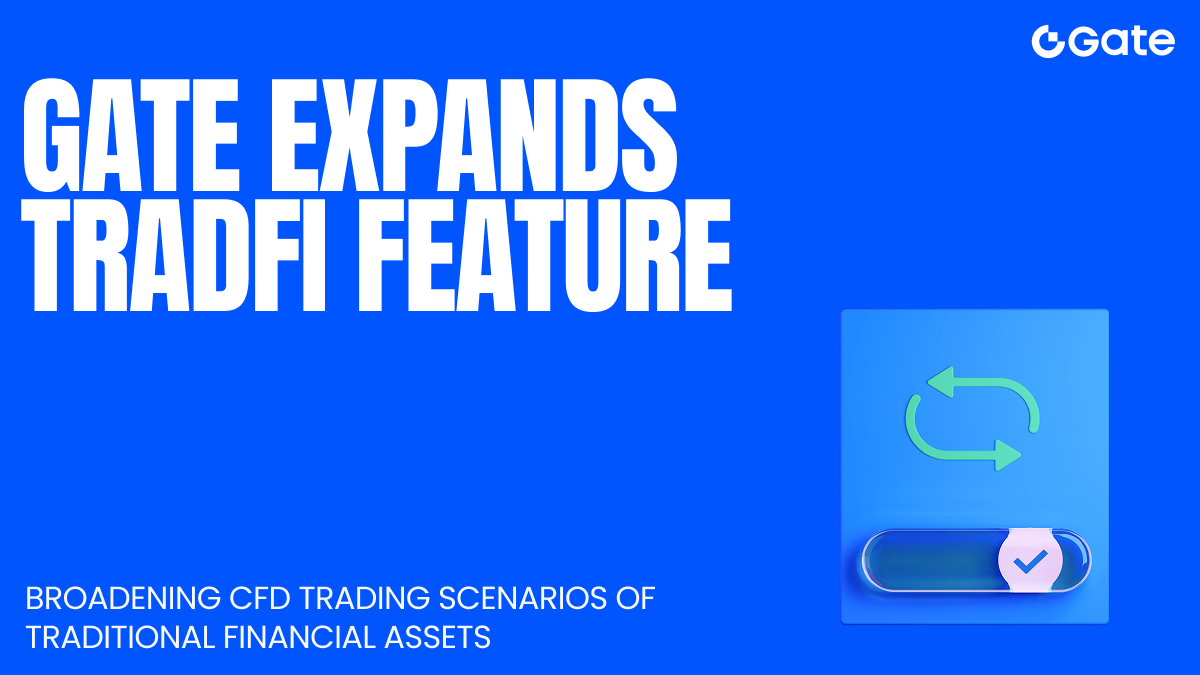
The core value of a multi-asset integration platform lies in breaking down barriers between different markets. Through a unified account system, users no longer need to repeatedly register or switch systems and can participate in forex, precious metals, stock indices, and commodities within the same environment, achieving a truly one-stop trading experience.
From Single Trades to Holistic Asset Allocation
In highly volatile and uncertain market conditions, focusing on a single asset can amplify risks. The multi-market trading model enables users to allocate different types of assets simultaneously, spreading risk across multiple markets and upgrading trading decisions from “single-point bets” to “portfolio management.”
Trading Rhythm and Rules: Closer to Traditional CFD Market Operations
The biggest difference from crypto perpetual contracts is that TradFi contracts follow traditional market trading hours rather than 24/7 continuous trading. Fixed opening, closing, and break mechanisms directly align trading rhythms with global financial markets.
In terms of specific rules, TradFi contracts adopt fixed leverage, cross-margin, and hedging calculation methods. Long and short positions can offset each other within the same trading pair based on lot size, P&L is settled at counterparty prices, and overnight fees are incurred during market breaks.
These rules do not emphasize the high flexibility of crypto trading but focus on consistency with traditional CFD systems, lowering the threshold for user understanding.
Leverage and Cost Design: Serving Strategy-Based and Short-Term Trading Needs
Gate sets differentiated leverage limits for different asset classes: forex and indices offer higher leverage space, while stocks remain relatively conservative. This arrangement matches traditional market risk characteristics and provides options for traders with varying risk preferences.
Regarding fees, extremely low transaction charges create a low-friction trading environment. A clear and predictable cost structure makes high-frequency strategies, short-term trades, and refined position management more feasible. Low cost is not merely a price advantage but forms the basis for efficient strategy execution.
The Key to Strategy Flexibility: Switch Markets Anytime
One of the greatest advantages of asset integration is increased strategic freedom. When a market becomes highly volatile, funds can quickly shift to relatively stable assets; when new opportunities arise, they can flexibly return to high-yield markets, avoiding being locked into a single rhythm.
Trading Logic for a New Generation of Traders
Compared to traditional brokerage systems, new multi-asset platforms emphasize simplified processes and unified experiences, enabling users to access different financial products under familiar operating logic. This lowers learning costs and improves cross-market trading efficiency.
Will Multi-Asset Integration Become the Mainstream in the Future?
As the boundary between crypto finance and traditional finance blurs, the role of trading platforms is also changing—from single-market tools evolving into gateways for global asset integration. In the future, traders’ focus will no longer be “which platform to trade on,” but “how to achieve holistic asset allocation.”