


Why Token Buybacks Are Losing Favor: From Helium to Jupiter, Projects Rethink the Strategy in 2026
As cryptocurrency markets mature in 2026, a growing number of projects are questioning the effectiveness of token buybacks—a once-popular mechanism to support price and reward holders.
Helium’s founder recently announced a complete halt to buybacks, citing lack of market response, while Jupiter co-founder Siong Ong floated pausing the program’s $70 million+ spend after limited impact on JUP price. These high-profile shifts highlight a broader debate: in bearish or sideways conditions, do buybacks truly deliver value, or do they distract from product growth and long-term alignment? For investors tracking Jupiter tokenomics 2026, JUP price analysis, or DeFi revenue strategies, this trend underscores evolving approaches to token utility and sustainability.
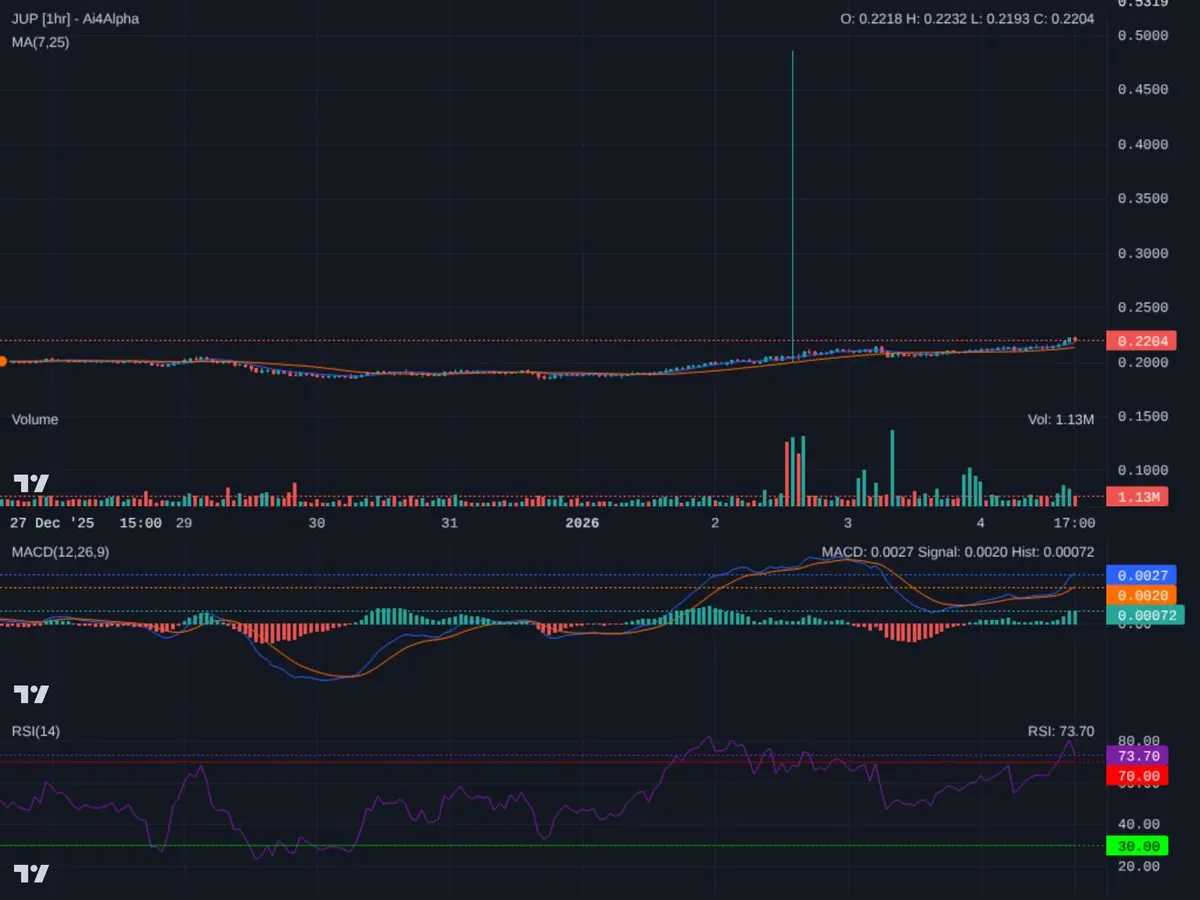
(Sources: TradingView)
Helium’s Decision to Stop Buybacks: “The Market Doesn’t Care”
Helium founder Amir Haleem announced on January 3, 2026, that the project would cease its token buyback program, stating bluntly: the market “doesn’t care” about repurchases. Launched in October 2025 using 10–20% of network revenue (primarily from Helium Mobile data transfers), the initiative aimed to reduce circulating supply and stabilize HNT price through automated open-market buys and partial burns.
- Monthly Buyback Budget: $680,000 at peak revenue ($3.4M/month).
- Rationale at Launch: Return value to holders, counter inflation.
- Outcome: HNT price fell from $4.57 local highs to ~$1.30 despite repurchases.
Haleem redirected funds toward user acquisition and network expansion, arguing resources are better spent on growth than “wasting money” on ineffective price support.
Jupiter’s $70M Buyback Dilemma: Community Asked to Vote on Pause
Jupiter, Solana’s leading DEX aggregator, faced similar challenges. Co-founder Siong Ong posted on January 3, 2026, questioning whether to suspend JUP buybacks after spending over $70 million in 2025 protocol fees—yet seeing minimal price uplift.
- Buyback Mechanics: 50% of fees allocated since January 2025, locked for 3 years.
- Price Performance: JUP down ~90% from $2 highs to ~$0.20.
- Upcoming Pressure: 700M token unlock ($148M) on January 31.
- Ong’s Proposal: Redirect funds to user growth incentives.
The post sparked governance discussion, with Ong asking: “Should we do this?”
The Great Buyback Debate: Industry Voices Weigh In
The twin announcements ignited broader conversation:
Against Buybacks
- Solana co-founder Anatoly Yakovenko (Toly): Prefers staking/locking profits as claimable assets over short-term repurchases.
- Multicoin partner Kyle Samani: Supports rewarding long-term holders but questions execution.
For Buybacks
- Jito COO Brian Smith: Valuable in downturns for equity accretion; criticizes pausing based on price alone.
- Selini Capital partner Jordi Alexander: Defends revenue-backed buybacks as core token utility; suggests price-tiered pacing (e.g., aggressive below 4x P/E).
Jordi noted past successes disrupted by over-buying at peaks but argued well-structured programs remain essential for holder value.
Why Buybacks Are Falling Out of Favor in 2026
Common criticisms:
- Limited Impact in Bears: Small monthly volumes (~$1–10M) dwarfed by market cap and unlocks.
- Opportunity Cost: Diverts funds from product/user growth.
- Short-Term Focus: Benefits flippers over aligned holders.
- Narrative Risk: Failed promises erode trust.
Projects increasingly favor staking rewards, revenue shares, or growth reinvestment.
Outlook for Token Economics in Maturing Markets
As DeFi TVL stabilizes and narratives shift toward real yield:
- Preferred Models: Staking, veTokens, revenue distribution.
- Jupiter Context: Potential pivot to user incentives if vote passes.
- Helium Precedent: Full halt signals broader reassessment.
Sustainable utility—beyond buyback hype—emerges as the 2026 standard.
In summary, Helium’s buyback termination and Jupiter’s proposed pause in early 2026 reflect growing skepticism toward repurchases as price support tools. With $70M+ spent yielding limited JUP gains and Helium redirecting funds to growth, projects prioritize long-term alignment over short-term optics. As tokenomics evolve, staking and revenue-sharing models gain traction for durable holder value. Monitor governance votes and revenue reports for this shifting DeFi landscape.