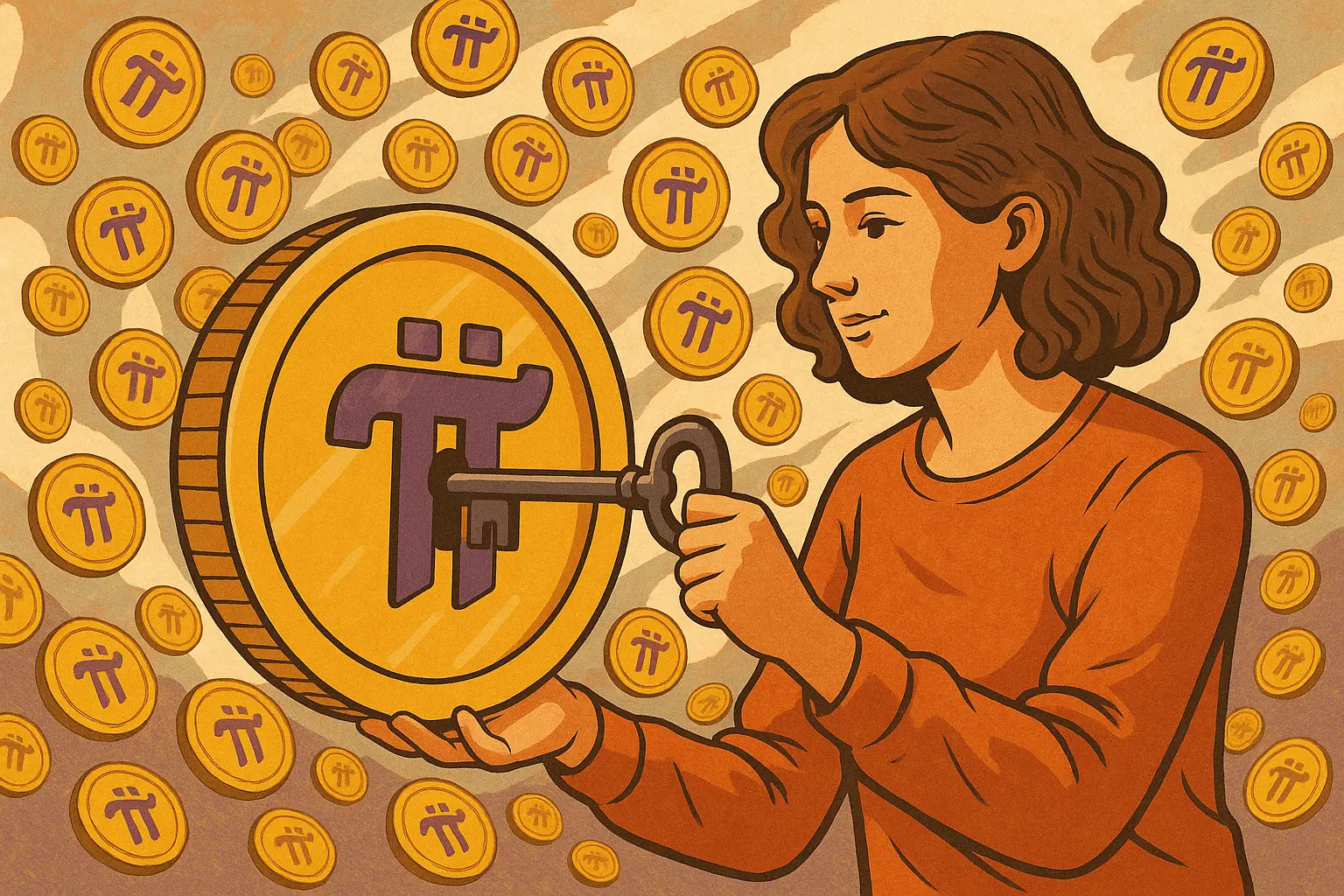
On April 18, Pi Network completed a mainnet token unlock event. About 5.3 million Pi tokens entered circulation, which is estimated to be worth approximately $926,000 at the current market price. This is part of Pi Network’s ongoing transition from an early, controlled distribution stage to a fully open mainnet environment. The unlock event increases market liquidity in the ecosystem, but it also sparks discussions within the community.
Unlock Event Background: Step-by-Step Token Release During the Mainnet Transition Period
Pi Network’s token unlock mechanism is an organic component of its mainnet transition plan. These tokens may be allocated to early mining contributors, an ecosystem development fund, or other pre-planned purposes, and released to the market according to a set schedule as the mainnet is progressively refined.
Blockchain projects adopt phased release mechanisms for core purposes: to prevent large-scale supply shocks, ensure controlled growth in the market, and support the ecosystem’s long-term, steady development. For Pi Network, this unlock is a milestone in its evolution from a mining-based, closed ecosystem toward a fully functional mainnet environment.
Market Liquidity and Supply-Demand Pressure: A Two-Sided Effect
The market impact of this unlock event has a dual nature.
In terms of liquidity, the additional 5.3 million Pi tokens inject new tradable assets into the market, which helps enable smoother trading, reduce slippage, and support broader market activity.
In terms of supply-demand balance, if demand does not grow in step with supply, large-scale unlock events in the cryptocurrency market often come with short-term downward pressure. Investor sentiment, expectations regarding the timing of subsequent unlocks, and the actual adoption progress of the Pi Network ecosystem are the three key variables that determine how the market absorbs this supply expansion. Discussions within the Pi Network community typically focus on the consistency between token issuance progress and broader ecosystem milestones and adoption rates.
Long-Term Outlook: Utility Expansion Is the Core to Balancing Supply Growth
The long-term market impact of token unlocks fundamentally depends on how quickly the utility of Pi tokens expands in real application scenarios. For Pi Network, consistently driving Picoin merchant adoption, supporting the development of decentralized applications, and increasing users’ everyday participation on the platform are the core strategies for balancing potential value impacts of supply growth. If utility expansion can keep pace with the supply release schedule, the market’s ability to absorb these unlocked tokens will be significantly strengthened; otherwise, it may create persistent market pressure.
Frequently Asked Questions
What is Pi Network’s token unlock event, and why does it happen periodically?
Pi Network’s token unlock refers to pre-planned tokens being released from a restricted state into the circulating market according to a schedule. These tokens are typically allocated to early mining users, an ecosystem development fund, or project partners, and are released gradually across different stages of the mainnet transition. The goal is to avoid a one-time supply shock while supporting controlled market growth.
Will the unlock of 5.3 million Pi tokens affect the token price?
Market impact depends on supply-demand balance. If market demand matches the new supply, the price impact may be limited; if demand cannot grow in sync, short-term downward pressure may occur. Investor sentiment, the overall cryptocurrency market environment, and the Pi Network ecosystem adoption progress are key variables that determine the final outcome.
How does Pi Network address the supply pressure from ongoing token unlocks?
The most effective strategy is to expand the token’s real utility in parallel. This includes encouraging more merchants to accept Pi payments, supporting the deployment of decentralized applications on the Pi network, and continuously expanding the user base and daily trading activity—ensuring that growth on the demand side can align with the ongoing release on the supply side.
Disclaimer: The information on this page may come from third parties and does not represent the views or opinions of Gate. The content displayed on this page is for reference only and does not constitute any financial, investment, or legal advice. Gate does not guarantee the accuracy or completeness of the information and shall not be liable for any losses arising from the use of this information. Virtual asset investments carry high risks and are subject to significant price volatility. You may lose all of your invested principal. Please fully understand the relevant risks and make prudent decisions based on your own financial situation and risk tolerance. For details, please refer to
Disclaimer.
Related Articles
Pi Network issues a node upgrade warning: if you haven’t upgraded by April 27, you risk being disconnected
Pi Network has issued an official notice to node operators, requiring them to complete the mandatory upgrade of the agreement version 22.1 (v22.1) by April 27, 2026; otherwise, they face the risk of their nodes being cut off from network connectivity. According to a Pi Network announcement, this upgrade must be carried out in strict version order. Currently, the system is running on version 21.2; the next step is to upgrade to v22.1, and no versions may be skipped.
MarketWhisper20h ago
Pi Network Requires Protocol 22 Upgrade by April 27 or Nodes Will Disconnect
Pi Network mandates node operators to upgrade to Protocol 22 by April 27, 2026, to ensure network connectivity. The upgrade enhances stability and prepares for future smart contract features. Delaying could result in disconnection and missed opportunities.
GateNews21h ago
Pi Network Launches First Smart Contract Feature on Testnet, Enabling Subscription Payments
Pi Network has launched its first Smart Contract feature on Testnet, enabling users to set up automatic subscription payments while maintaining control of their funds. This marks a shift toward ecosystem utility and lays the groundwork for potential mainnet deployment.
GateNews04-18 05:31
Pi Network Requires Mainnet Upgrade to v22.1 by April 27 or Risk Disconnection
Pi Network announced a mandatory upgrade to Protocol version 22.1, requiring completion by April 27, 2026, to maintain network connection. The upgrade is seen positively for enhancing security and performance, with next version expected by May 11, 2026.
GateNews04-17 06:05
Pi Network V23 Upgrade to Launch Smart Contracts, DApp Ecosystem, and DEX Next Month
Pi Network will launch its V23 upgrade next month, featuring smart contracts, a DApp ecosystem, and a decentralized exchange. With over 18 million KYC-verified users, this upgrade moves Pi towards practical applications and utility in its ecosystem.
GateNews04-16 05:41


