NightFlightPaperCrane

vip
Age 0.1 Year
Peak Tier 0
Often late to DAO meetings, but reviews proposals carefully; pays attention to governance incentives and voting dynamics, tends to be slow to warm up when contributing.
Recently, I've seen a bunch of RWA on-chain projects promoting "on-chain liquidity," but honestly, I find it a bit hard to believe... Being able to match orders on-chain doesn't mean you can redeem at any time; the key is the redemption terms: T+ how many? Queueing mechanism? Who has priority? Is there a gate during a run on the bank? If these aren't clearly specified, liquidity just looks like a visual effect.
What's even more amusing is that L2 is still arguing over TPS, fees, and who provides bigger subsidies, but if the underlying assets are slow to redeem or can even be paused, then no ma
View Original
  • Reward
  • Comment
  • Repost
  • Share
The key to this type of computing power network depends on the demand side—whether it can continuously sustain the consumption of computing power.
View Original
Original content no longer visible
  • Reward
  • Comment
  • Repost
  • Share
Reached the fifth target, and there may be sharp pullbacks at any time afterward. Don't delay your stop-loss.
View Original
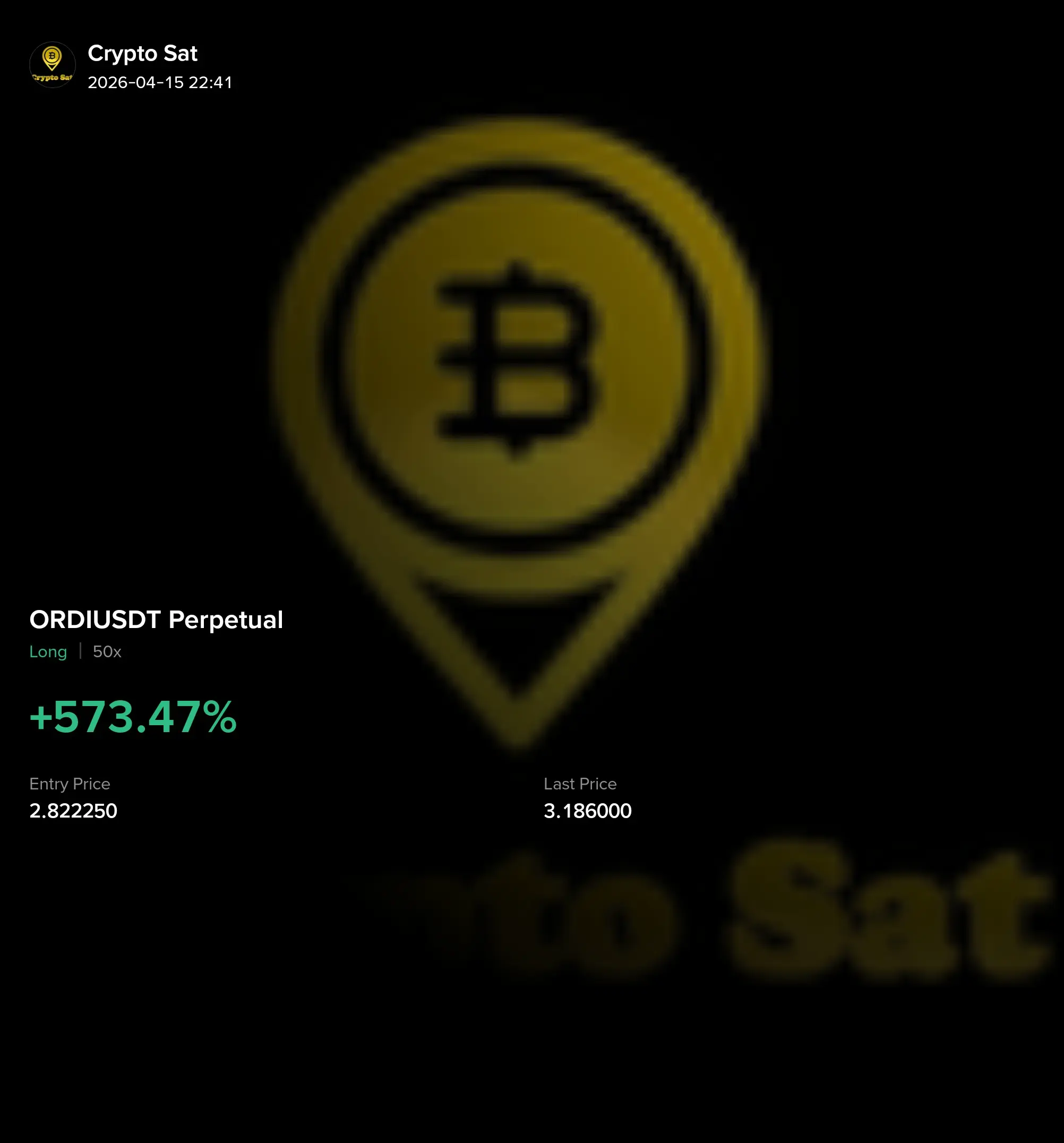
CryptoSat
Our $ORDI trade just hits 5th Target 🎯
Don't forget to book profits and set Stoploss to Target 2 😉
repost-content-media
  • Reward
  • Comment
  • Repost
  • Share
Recently, I was going through old records and realized that the most torturous part of taxes isn't whether to pay or not, but "what exactly did you do back then"—completely can't remember...
My current simple method: every time I switch positions / cross chains / move in and out of CEX, I save screenshots, transactions, and notes in the same folder, and casually write a couple of sentences: why I did it, from where to where.
At least by the end of the year, reconciling accounts won't be like solving a detective case.
Recently, the community has been arguing about privacy coins, coin mixi
View Original
  • Reward
  • Comment
  • Repost
  • Share
Lately, watching the liquidity pools in blockchain games, it really feels like watching chronic blood loss: the more output there is, the first reaction everyone has is to sell, and when the price softens, they have to increase the token "rewards" to compensate, resulting in inflation that drains the pool more and more. To put it simply, it's not that players aren't trying, but the model trains everyone to be sprinters; who would want to stay long-term? Now, whenever I see "daily high output," I reflexively ask: what exactly is this output paid for... Is it new money, emotions, or even bigger
View Original
  • Reward
  • Comment
  • Repost
  • Share
  • Pin